How Smart Displays Are Redefining the In-Vehicle Experience
Explore how automotive smart displays are transforming vehicle interiors with connected features, ADAS integration, and digital experiences.
 johnabert
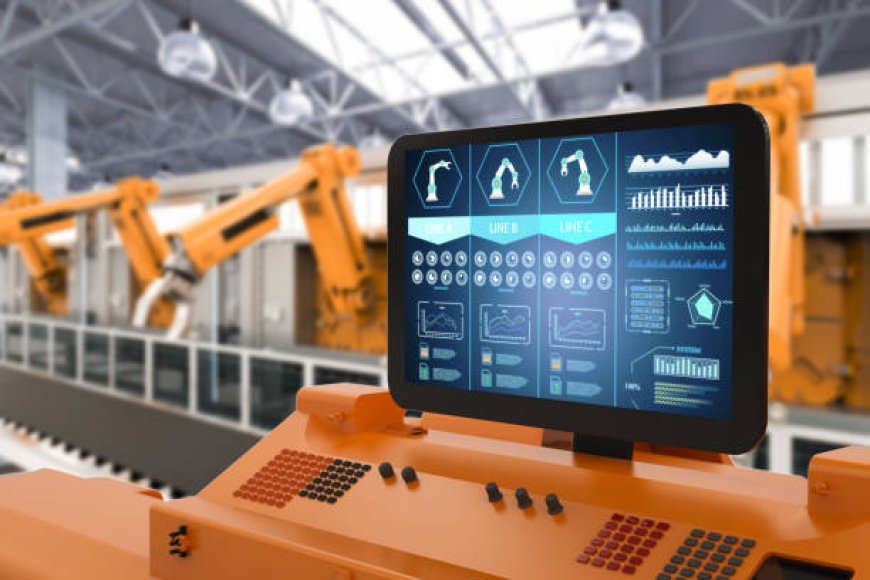
The modern automobile has evolved far beyond a mode of transportation. Today's vehicles are increasingly becoming connected digital environments where drivers and passengers expect seamless access to navigation, entertainment, communication, and vehicle information. At the center of this transformation is the automotive smart display, a technology that is rapidly changing how people interact with their vehicles.
As automakers continue integrating advanced digital features, smart displays have become a critical component of modern vehicle design. According to a comprehensive automotive display technology analysis, manufacturers are investing heavily in next-generation display solutions that enhance user experience while supporting connected and autonomous driving capabilities.
The Evolution of Automotive Displays
Traditional vehicle dashboards primarily consisted of analog gauges and physical controls. While effective, these systems offered limited functionality and customization.
The rise of digital technologies has fundamentally changed cockpit design. Smart displays now provide drivers with real-time information through high-resolution touchscreens, digital instrument clusters, head-up displays, and infotainment systems.
These solutions allow users to access navigation guidance, vehicle diagnostics, media controls, smartphone integration, and advanced safety information through a centralized interface. As consumer expectations increasingly mirror their experiences with smartphones and tablets, automotive manufacturers are focusing on creating more intuitive and responsive display environments.
Connected Vehicles Are Driving Demand
The growing adoption of connected vehicle technologies has significantly increased the importance of smart displays.
Connected vehicles continuously exchange data with cloud platforms, infrastructure networks, and mobile devices. Smart displays serve as the primary interface through which drivers interact with these connected services.
Key functions commonly supported by modern automotive displays include:
- Real-time navigation
- Voice-controlled assistance
- Vehicle health monitoring
- Remote connectivity features
- Traffic updates
- Over-the-air software updates
According to the International Telecommunication Union, connected technologies continue to expand across transportation systems as digital infrastructure becomes increasingly sophisticated. This trend is supporting broader adoption of intelligent display solutions within vehicles.
Larger Screens Are Becoming Standard
One of the most visible trends in vehicle interiors is the growing size of display screens.
Automakers are introducing larger touchscreens that provide enhanced visibility and support multiple functions through a single interface. Premium vehicles increasingly feature panoramic displays that extend across significant portions of the dashboard.
These larger screens help reduce dashboard complexity by replacing multiple physical buttons with digital controls. At the same time, advancements in display resolution and brightness are improving usability in different lighting conditions.
Manufacturers are also focusing on minimizing driver distraction through improved interface design and intuitive control layouts.
Advanced Driver Assistance Systems Are Increasing Display Requirements
The expansion of Advanced Driver Assistance Systems (ADAS) is creating new opportunities for automotive smart displays.
ADAS technologies generate large volumes of information that must be communicated effectively to drivers. Smart displays play a critical role in presenting safety-related data in a clear and understandable format.
Examples include:
- Lane departure warnings
- Blind spot alerts
- Collision notifications
- Adaptive cruise control status
- Parking assistance guidance
- Traffic sign recognition information
The integration of these safety features has increased demand for displays capable of delivering real-time visual feedback without overwhelming the driver.
The National Highway Traffic Safety Administration continues to emphasize the importance of technologies that improve driver awareness and support safer vehicle operation.
Electric Vehicles Are Accelerating Innovation
The rapid growth of electric vehicles (EVs) is further driving innovation in automotive display technology.
Unlike conventional vehicles, EVs require drivers to monitor additional information such as:
- Battery status
- Charging progress
- Energy consumption
- Driving range
- Regenerative braking performance
Smart displays provide an efficient way to communicate this information while maintaining a clean and modern cockpit design.
Many EV manufacturers are using advanced displays as a key differentiator, creating highly digitalized cabin experiences that appeal to technology-focused consumers.
A recent study on automotive cockpit innovations highlights how electric mobility is encouraging automakers to rethink traditional dashboard architectures and adopt more sophisticated display technologies.
Emerging Technologies Are Expanding Capabilities
Display technologies continue to evolve rapidly, introducing new features and capabilities.
Several innovations are gaining attention across the automotive industry:
- OLED displays
- Augmented reality head-up displays
- Curved screens
- Haptic feedback systems
- Artificial intelligence-driven interfaces
- Gesture recognition controls
These technologies aim to improve usability, reduce driver distraction, and create more personalized user experiences.
Artificial intelligence is becoming particularly important as automakers seek to develop displays that adapt to driver preferences and usage patterns.
Challenges Facing the Industry
Despite strong momentum, the industry faces several challenges.
Manufacturers must balance advanced functionality with affordability, reliability, and safety requirements. Display systems are exposed to extreme temperatures, vibration, and long operating hours, requiring robust engineering solutions.
Additional challenges include:
- High development costs
- Cybersecurity concerns
- Software integration complexity
- Driver distraction risks
- Rapid technology obsolescence
Industry participants continue investing in research and development to address these issues while enhancing display performance and functionality.
Looking Ahead
Automotive smart displays are becoming a defining feature of next-generation vehicles. As connectivity, electrification, and autonomous driving technologies continue advancing, displays will play an increasingly important role in shaping the overall driving experience.
Insights from a detailed automotive user interface report suggest that future vehicle interiors will place even greater emphasis on digital interaction, personalization, and real-time information delivery. Larger screens, artificial intelligence, augmented reality, and connected services are expected to transform vehicle cabins into highly intelligent environments.
As automakers compete to deliver safer, smarter, and more engaging driving experiences, smart display technology will remain at the forefront of automotive innovation.