How to Choose the Most Authentic Tanzania Safari Packages for 2026
 blitz.maz
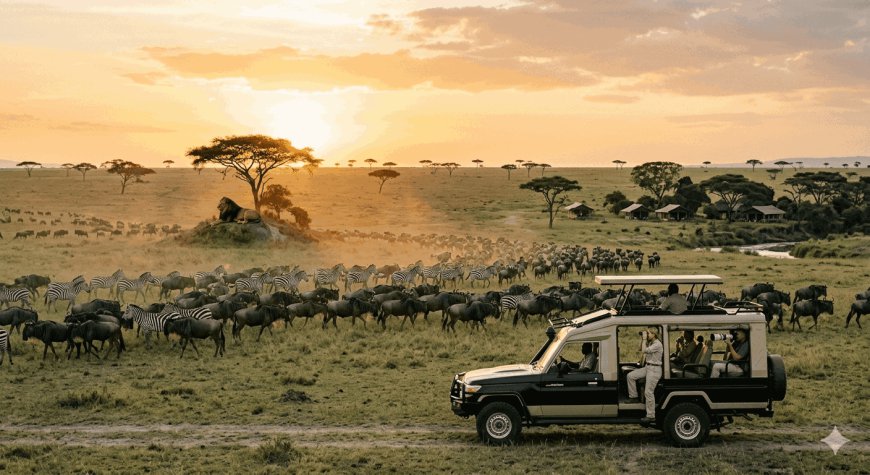
The call of the African wild remains one of the most powerful draws for global travelers, yet the landscape of exploration is shifting toward more intentional and sustainable experiences. Tanzania, a country defined by its vast wilderness and dramatic geological features, stands at the heart of this evolution. When you begin your search for Tanzania safari packages, you are not simply looking for a holiday; you are looking for a gateway into an ancient ecosystem where the rhythm of life is dictated by the seasons and the rain. In 2026, the sophisticated traveler seeks more than just a glimpse of the Big Five. There is a growing demand for journeys that offer deep emotional resonance, a sense of privacy, and a clear commitment to conservation. This guide provides a professional and analytical look at how to navigate the complex world of East African travel to find a package that aligns with both your personal values and your thirst for adventure.
Understanding the Geography and Scope of Tanzania Safari Packages
To select the right itinerary, one must first grasp the sheer scale of the destination. Tanzania is a country of staggering geographical diversity, stretching from the lush, tropical shores of the Indian Ocean to the volcanic highlands of the Great Rift Valley. According to Wikipedia, the country's geography is characterized by a central plateau and several distinct highland regions, which create a variety of microclimates and habitats. This diversity is why Tanzania safari packages are typically divided into "circuits," each offering a radically different environment and wildlife profile.
The Northern Circuit: The Crown Jewel of East Africa
The Northern Circuit is undoubtedly the most famous region for wildlife enthusiasts. It encompasses the Serengeti National Park, the Ngorongoro Crater, Lake Manyara, and Tarangire National Park. This area is the setting for the Great Wildebeest Migration, a monumental event where over two million animals traverse the plains in search of water and greener pastures. Packages focusing on the North are often the first choice for first-time visitors because they offer the highest density of wildlife and the classic "Out of Africa" savannah scenery.
The Southern and Western Circuits: Untamed Frontiers
For those who have already experienced the Serengeti or who prefer a more secluded journey, the Southern and Western circuits offer a "raw" version of the bush. Nyerere National Park, formerly known as Selous, and Ruaha National Park are the highlights of the South. These areas are characterized by vast, rugged landscapes and fewer tourist vehicles. Further west, along the shores of Lake Tanganyika, lie the Mahale Mountains and Gombe Stream, where the focus shifts from savannah grazers to the intimate experience of chimpanzee trekking. Choosing Tanzania safari packages in these regions requires a more analytical approach to logistics, as distances are greater and travel often involves small bush planes rather than road transfers.
The Role of the Great Rift Valley in Biodiversity
The Great Rift Valley is more than just a scenic backdrop; it is a fundamental geological feature that shapes the movement of animals and the availability of water. This tectonic trench has created the unique conditions found in the Ngorongoro Crater, a collapsed volcano that now serves as a natural enclosure for nearly every species found in East Africa. When evaluating Tanzania safari packages, it is useful to look for itineraries that explain how these geological features impact your viewing opportunities. The valley floor and the surrounding highlands create diverse niches for everything from tree-climbing lions in Lake Manyara to the massive elephant herds of Tarangire.
Technical Specifications of Modern Safari Planning
Modern travel in 2026 has moved beyond the "one-size-fits-all" approach. Professional travelers and industry analysts, as noted by Forbes, emphasize that exclusivity and the quality of the guide are now the primary indicators of luxury. When analyzing different Tanzania safari packages, the technical details often reveal the true value of the offer.
Private Vehicles vs. Shared Game Drives
A significant differentiator in pricing and experience is whether the package includes a private vehicle. While shared drives can be more social, a private vehicle allows you to dictate the pace of your morning. If you wish to spend three hours observing a leopard cub in a tree, a private guide will accommodate that. In contrast, shared drives must cater to the interests of all passengers, often leading to a more superficial "tick-the-box" experience.
The Impact of Seasonality on Itinerary Design
Tanzania does not have four seasons in the traditional sense; instead, it has "wet" and "dry" seasons. The "long rains" typically occur from March to May, while the "short rains" arrive in November and December. Professional safari planners use this data to position guests in the right part of the Serengeti. For example, from January to March, the migration is in the southern Ndutu region for calving season. By June and July, the herds move north toward the Mara River. A well-constructed package will explicitly state why a specific lodge or camp has been chosen for your travel dates.
Integration of Sustainable Technology
As we move through 2026, the "green" credentials of a safari operator are no longer optional. Leading Tanzania safari packages now feature lodges powered entirely by solar arrays and utilize electric safari vehicles (e-safaris). These vehicles are not only better for the environment but also enhance the guest experience by being nearly silent, allowing for closer approaches to wildlife without the vibration or noise of a diesel engine. Research on Google News frequently highlights how these innovations are becoming the standard in high-end African tourism, driven by a global push for net-zero travel.
Cultural Immersion and Ethical Tourism in Tanzania
A truly comprehensive Tanzania safari package must acknowledge the human element of the landscape. The Maasai, Hadzabe, and Datoga people have lived alongside these wild animals for centuries, and their involvement in tourism is essential for the long-term survival of the parks.
Meaningful Community Engagement
In the past, cultural visits were often criticized as being staged or voyeuristic. In 2026, the trend has shifted toward "impact travel." Look for packages that partner with community-owned conservancies. In these areas, the land is leased from the local tribes, and the revenue from your stay directly funds schools, healthcare, and water infrastructure. This creates a symbiotic relationship where the local community has a financial incentive to protect wildlife from poaching.
Supporting Local Conservation Projects
Beyond the human communities, many Tanzania safari packages now include visits to active conservation projects. This might involve meeting with a rhino ranger in Ngorongoro or learning about the Serengeti Cheetah Project. These interactions provide a professional and analytical perspective on the challenges of wildlife management in the 21st century. It transforms a vacation into a learning experience, providing context to the beauty you see through your binoculars.
The "Bush to Beach" Extension
A popular strategy for balancing the intensity of game drives is the "bush to beach" transition. Tanzania is unique in that it offers world-class wildlife viewing and world-class tropical islands within the same borders. After a week on the dusty plains, many travelers choose to spend their final days in the Zanzibar Archipelago. These packages combine the adrenaline of the safari with the relaxation of the Indian Ocean, offering a holistic East African experience.
Conclusion and Strategic Advice for Your Journey
Selecting from the myriad of Tanzania safari packages available in 2026 requires a balance of heart and head. While the emotional pull of seeing a lioness with her cubs is undeniable, the logistical and ethical foundations of your trip will determine its ultimate success. Prioritize operators who demonstrate a clear understanding of the Great Rift Valley's ecology, offer private and customizable itineraries, and prove a tangible commitment to the communities they visit.
Tanzania remains a land of profound beauty and complexity. Whether you are witnessing the dust rise as millions of hooves strike the Serengeti earth or sitting in silence as a troop of chimpanzees moves through the canopy of Mahale, the experience is life-changing. By choosing a package that values slow travel and intentionality, you ensure that your presence in this delicate ecosystem is both respectful and transformative. Start your planning by defining what "wild" means to you, and let the experts in Arusha and Dar es Salaam craft a journey that speaks to your soul. The wild is waiting; ensure you meet it on its own terms.