Can Dental Braces Improve Oral Function?
 anoushasyed
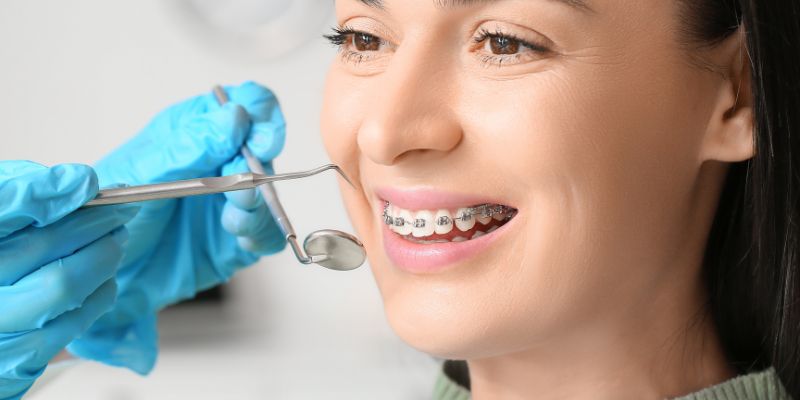
Dental braces are often associated with enhancing the appearance of a smile, but their benefits extend far beyond aesthetics. They play a significant role in improving oral function, which is essential for overall health and well-being. When teeth are misaligned or jaws do not meet properly, everyday activities like chewing and speaking can become challenging. Orthodontic treatment with braces addresses these issues by correcting the alignment of teeth and jaws, leading to better functionality. This article explores how Dental Braces in Dubai contribute to improved oral function, making daily life more comfortable and efficient for individuals seeking long-term dental health.
The Connection Between Teeth Alignment and Oral Function
The way teeth are arranged directly impacts how the mouth performs its primary tasks. Misaligned teeth, also known as malocclusion, can interfere with the natural processes of biting, chewing, and speaking. Braces work by applying gentle pressure over time to move teeth into their correct positions. This realignment ensures that the upper and lower teeth fit together harmoniously, which is the foundation of proper oral function. When the bite is balanced, the mouth can operate more effectively, reducing strain on the teeth, gums, and jaw muscles. Many people do not realize that crooked teeth can lead to uneven wear and tear, but braces help distribute forces evenly across all teeth during use.
Enhancing Chewing Efficiency
One of the most noticeable improvements from wearing braces is the ability to chew food properly. When teeth are crowded, gapped, or out of position, breaking down food becomes difficult. This can lead to digestive issues because larger food particles are harder for the stomach to process. Braces align the teeth so that they meet correctly when the mouth closes, allowing for thorough grinding and crushing of food. Efficient chewing is not just about comfort; it is a key step in digestion that starts in the mouth. With better alignment, individuals can enjoy a wider variety of foods without discomfort, ensuring they receive proper nutrition from their meals.
Improving Speech Clarity
Speech is another critical oral function that can be affected by tooth position. Teeth play a vital role in forming sounds, particularly those that require contact between the tongue and teeth, such as "th," "s," and "z." When teeth are misaligned or have gaps, it can alter the way air flows during speech, leading to lisps or other pronunciation difficulties. Braces help by positioning teeth in a way that supports clear articulation. As the teeth move into their ideal spots, the tongue and lips can work together more naturally to produce sounds. Over time, many individuals find that their speech becomes clearer and more confident, which can positively impact social interactions and self-esteem.
Addressing Jaw Function and Comfort
Beyond the teeth themselves, braces also influence the alignment of the jaws. The temporomandibular joints, which connect the jaw to the skull, rely on a balanced bite to function smoothly. When teeth are misaligned, the jaws may shift to compensate, leading to uneven pressure on these joints. This can result in discomfort or difficulty when opening and closing the mouth. Braces correct the underlying alignment issues, allowing the jaws to rest in a more natural position. This reduces unnecessary strain and promotes smoother movement, making activities like yawning or laughing more comfortable. A well-aligned bite also helps prevent long-term issues related to jaw fatigue.
Reducing Excessive Wear on Teeth
When teeth do not align properly, some teeth may bear more force than others during chewing or grinding. This uneven distribution can cause certain teeth to wear down faster, leading to sensitivity or structural damage over time. Braces help create a balanced occlusion, where the forces of biting are spread evenly across all teeth. This protects the enamel and reduces the risk of chips or fractures. By preserving the integrity of the teeth, braces contribute to better long-term oral function and reduce the need for extensive dental work in the future. Healthy teeth that fit together well are better equipped to handle the demands of daily use.
Supporting Proper Breathing
Oral function is not limited to eating and speaking; it also includes breathing. The position of the teeth and jaws can influence the airway, especially during sleep. When the upper and lower jaws are properly aligned, it can help keep the airway open, promoting easier breathing. Braces that correct significant bite issues may contribute to improved airflow, which is beneficial for overall health. While braces are not a treatment for breathing disorders, they play a supportive role in creating an oral environment that does not hinder natural respiration. This aspect of oral function highlights how comprehensive orthodontic care can be for overall wellness.
Long-Term Benefits of Improved Oral Function
Investing in orthodontic treatment with braces offers lasting advantages that go beyond the treatment period. Once the teeth are in their corrected positions, the mouth operates more efficiently, which can enhance quality of life. Properly aligned teeth are easier to clean, reducing the risk of gum disease and cavities that can compromise function. Additionally, a balanced bite minimizes the likelihood of developing habits like teeth grinding, which often stems from misalignment. The improvements gained from braces support a lifetime of better oral health, allowing individuals to speak, eat, and smile with ease.
Book Us
If you are considering how braces might enhance your oral function, we invite you to learn more about the options available. At Enfield Royal Clinic Dubai, we understand the importance of a healthy, functional smile and are here to guide you through every step of your journey. Our team is dedicated to providing personalized care that addresses your unique needs, helping you achieve optimal oral function and comfort. Reach out to us to schedule a consultation and discover how orthodontic treatment can make a positive difference in your daily life.
Frequently Asked Questions
How do braces help with chewing problems?
Braces correct the alignment of teeth so that they meet properly when the mouth closes. This allows for more efficient grinding of food during chewing, which aids digestion and makes eating more comfortable. By addressing issues like crowding or gaps, braces ensure that all teeth work together harmoniously during meals.
Can braces fix speech issues caused by teeth alignment?
Yes, braces can improve speech clarity by positioning teeth correctly. Sounds that rely on tooth-tongue contact, such as certain consonants, become easier to articulate when teeth are aligned. Many people notice clearer speech as their treatment progresses and their teeth move into better positions.
Do braces affect jaw comfort?
Braces can enhance jaw comfort by creating a balanced bite. When teeth are misaligned, the jaws may work harder to compensate, leading to strain. By aligning the teeth and jaws, braces reduce this stress, allowing for smoother jaw movement and less discomfort during activities like talking or eating.
How long does it take to see improvements in oral function with braces?
Improvements in oral function can begin as soon as teeth start to shift, but the full benefits are typically realized after treatment is complete. The duration varies depending on the complexity of the case, but consistent progress is made throughout the process. Patients often notice gradual enhancements in chewing and speaking over time.
Are the benefits of braces for oral function permanent?
With proper retention, such as wearing a retainer as advised, the improvements from braces can be long-lasting. Maintaining good oral hygiene and regular dental check-ups also support the durability of the results. This helps ensure that the enhanced oral function continues well into the future