Practical Ways to Reduce Pain During a Tattoo Session
 christyevangeline
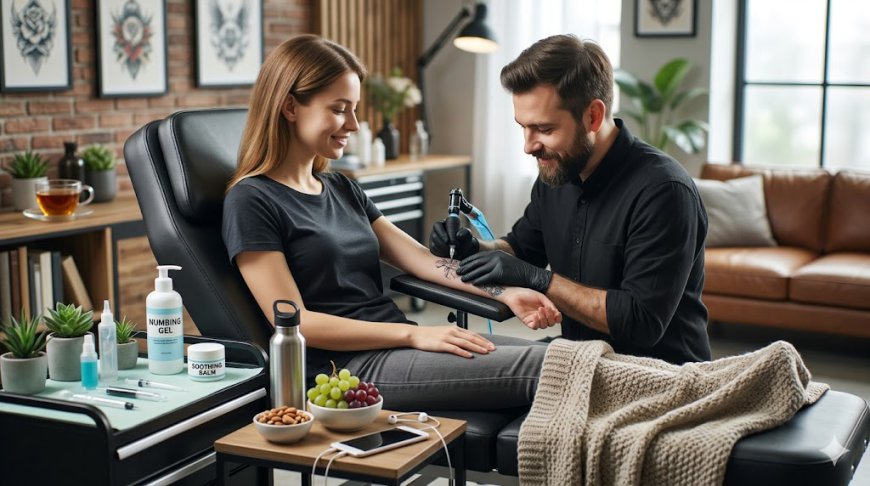
Getting a tattoo always comes with some level of pain. That’s part of the process. But pain is not the same for everyone, and it doesn’t have to feel overwhelming. With the right preparation and a few smart choices, the experience becomes far more manageable—and in many cases, surprisingly tolerable.
Understanding Why Tattoos Hurt
A tattoo needle repeatedly punctures the skin to deposit ink into the dermis. That constant movement triggers nerve endings.
Pain depends on:
- placement on the body
- skin sensitivity
- session duration
- mental state
Areas with less fat and more nerves—like ribs or ankles—hurt more. Softer areas tend to be easier.
Start Before the Appointment: Preparation Matters
Pain management begins before stepping into the studio.
· Sleep well the night before
A rested body handles discomfort better. Fatigue lowers pain tolerance.
· Eat a proper meal
Low blood sugar increases sensitivity. A balanced meal stabilizes energy and mood.
· Stay hydrated
Hydrated skin takes ink better. It also reacts less aggressively.
· Avoid alcohol and caffeine
Both thin the blood. That leads to more bleeding and irritation.
Choose the Right Artist and Technique
Skill level directly impacts pain.
An experienced tattoo artist in Phuket often works with smoother hand control. That reduces unnecessary trauma to the skin. Technique matters too. Some traditional methods, like bamboo tattoo Phuket, involve a different rhythm and depth. Many people report it feels less intense compared to machine work, though it varies from person to person.
Timing and Session Planning
Long sessions increase discomfort.
If the design is large:
- break it into multiple sittings
- allow healing time between sessions
Shorter sessions keep pain manageable and reduce fatigue.
Smart Placement Decisions
Placement is not just about aesthetics.
Less painful areas:
- outer arms
- thighs
- calves
More painful areas:
- ribs
- spine
- feet
If it’s your first tattoo, starting with a moderate pain zone helps build tolerance.
Use of Numbing Solutions (With Caution)
Topical numbing creams can reduce pain.
But they must be:
- approved for tattoo use
- applied correctly
- discussed with the artist
Some artists avoid them because they can affect skin texture. Always confirm before using any product.
Breathing and Mental Control
Pain is not just physical.
Breathing helps regulate the body’s response.
Try this:
- inhale slowly through the nose
- exhale steadily
- keep rhythm consistent
This reduces tension and prevents sudden reactions.
Also, staying mentally relaxed helps. Overthinking the pain often makes it worse.
Communication During the Session
Good communication changes everything.
Tell the artist if:
- pain becomes sharp or unusual
- you need a short break
Professional artists expect this. Short pauses can reset your tolerance without affecting the outcome.
Clothing and Comfort Setup
Simple detail, but it matters.
Wear:
- loose clothing
- easy-access outfits for the tattoo area
Comfort reduces unnecessary stress during long sessions.
Aftercare Impacts Pain Too
Pain does not end when the session stops.
Proper aftercare prevents prolonged discomfort.
- clean the area gently
- avoid scratching
- follow healing instructions strictly
Poor aftercare leads to irritation, which feels worse than the tattoo process itself.
A Realistic Note
Even with all precautions, some discomfort remains. That’s normal. Many people find that once the session starts, the fear is worse than the actual sensation. And oddly enough, the rhythm of the needle often becomes easier to handle after the first few minutes.