Lenovo Yoga 9i Review: Still Worth It in 2026?
Lenovo Yoga 9i review: design, display, performance & battery life explored. See how it compares to rivals and if it's the right 2-in-1 for you.
 uaetechdubai
Introduction
Picking a premium 2-in-1 laptop today means wading through a flood of marketing buzzwords like "AI-powered," "Copilot+," and "Aura Edition" and trying to figure out what actually matters for daily use. The Lenovo Yoga 9i has been one of the more consistent names in this space for years, and its latest Gen 11 refresh brings it firmly into the Copilot+ PC era with a redesigned hinge, a sharper display, and a new pen-based "Canvas Mode" for creative work.
In this article, you'll learn what the Yoga 9i actually offers in its current generation, how it stacks up against gaming-focused machines like the Asus ROG Strix Scar 18, where it fits relative to Lenovo's own Lenovo Legion 7i lineup, and whether it deserves a spot on your shortlist. We'll cover design, display quality, performance, battery life, real-world use cases, and the pros and cons you need to weigh before buying.
What Is the Lenovo Yoga 9i?
The Yoga 9i is Lenovo's flagship consumer convertible a 360-degree hinge laptop built for people who want a premium, do-everything machine rather than a single-purpose device. It's positioned above the mainstream Yoga line and sits alongside (but serves a very different audience than) Lenovo's gaming-oriented Legion series.
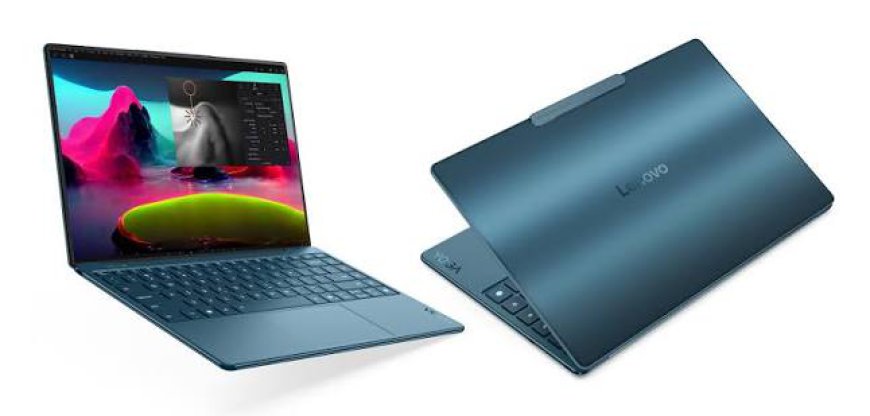
<cite index="4-1">Lenovo officially unveiled the latest refresh of its flagship convertible laptop, the Yoga 9i 2-in-1 Aura Edition (Gen 11), at Mobile World Congress 2026</cite>. <cite index="4-1">The most significant addition to this generation is Canvas Mode, enabled through a bundled pen case that magnetically attaches to the laptop's lid</cite>. <cite index="4-1">When the laptop is laid flat with the case attached, it creates a slight incline designed for more natural digital sketching and note-taking</cite>. <cite index="4-1">The laptop keeps its signature 360-degree hinge, letting users switch between Tablet, Tent, Stand, and traditional Laptop modes</cite>.
Key Specifications
<cite index="4-1">The Gen 11 Yoga 9i is built around an Intel Core Ultra Series 3 processor with integrated graphics, configurable with up to 32GB of RAM, and a 14-inch multi-touch display running at 2,880 x 1,800 resolution with a 120Hz variable refresh rate</cite>. <cite index="4-1">As a Copilot+ PC, it's designed to handle AI-integrated tasks within Windows 11</cite>.
<cite index="5-1">The 14-inch Gen 11 Aura Edition launched with an initial starting price of $1,949, though Lenovo is known for discounting its laptops fairly quickly after launch</cite>. If you're patient, waiting a few weeks past release for a sale is usually a smart move.
Design and Build Quality
Lenovo has consistently treated the Yoga 9i as a design showcase, and the Gen 11 model continues that trend. <cite index="5-1">Reviewers note that the 2026 Yoga 9i 2-in-1 feels like a Windows laptop built by a company that actually cares about the details</cite>, with a simple, functional port selection and a chassis clearly aimed at photo editing, light video work, drawing, and everyday productivity rather than heavy gaming or rendering.
The convertible form factor remains the laptop's core identity. The 360-degree hinge, premium metal construction, and added pen functionality make it a strong pick for anyone who moves between typing, sketching, and presenting throughout the day think architects, marketing professionals, students, or anyone who takes handwritten notes digitally.
Display: The Yoga 9i's Strongest Selling Point
Display quality has always been where the Yoga 9i tries to earn its premium price tag. Earlier generations leaned on OLED panels the 2022 model, for instance, used a 4K OLED screen and the Gen 11 refresh continues that visual-first philosophy with its high-resolution 2,880 x 1,800 touch panel and smooth 120Hz refresh rate. For creative professionals working with photos or video, or anyone who just wants their content to look sharp, this is a genuine differentiator against many competitors at a similar price.
Performance: Where the Yoga 9i Fits
It's important to set the right expectations here. The Yoga 9i is not a gaming laptop, and it's not trying to be. Its Intel Core Ultra Series 3 processor and integrated graphics are tuned for productivity, creative software, and everyday multitasking not sustained high-wattage gaming loads.
That distinction becomes clearer when you look at Lenovo's own Lenovo Legion 7i, a separate line built specifically for gaming and heavy graphics workloads with discrete GPUs and beefier cooling systems. If your priority is frame rates in demanding titles, the Lenovo Legion 7i or a dedicated gaming machine is the more sensible choice. The Yoga 9i, by contrast, is about portability, display quality, and versatility in a convertible chassis.

How Does It Compare to the Asus ROG Strix Scar 18?
This comparison sounds unusual at first the Yoga 9i and the Asus ROG Strix Scar 18 serve almost opposite purposes but it's a useful way to understand exactly what kind of laptop the Yoga 9i is and isn't.
<cite index="10-1">The 2026 ROG Strix Scar 18 is built around Intel's Core Ultra 9 290HX Plus processor paired with up to RTX 5090 graphics, an 18-inch UHD+ mini-LED display running at 240Hz, and configurations reaching 128GB of RAM</cite>. <cite index="9-1">In testing, the Scar 18 has been priced as high as $4,999.99, and at 8.16 pounds it's one of the heaviest laptops on the market</cite> <cite index="9-1">its footprint has been compared to a cafeteria tray, since portability clearly takes a back seat to raw performance</cite>.
That size and weight difference sums up the gap between these two machines perfectly:
|
Feature |
Lenovo Yoga 9i (Gen 11) |
Asus ROG Strix Scar 18 (2026) |
|
Primary Use |
Productivity, creativity, convertible use |
High-end gaming, content creation |
|
Form Factor |
14-inch 2-in-1 convertible |
18-inch traditional gaming laptop |
|
Graphics |
Integrated |
Discrete, up to RTX 5090 |
|
Weight |
Ultraportable |
Around 8+ lbs |
|
Starting Price |
~$1,949 |
~$2,700+ |
If you want one laptop for writing, browsing, sketching, and light creative work that also folds into a tablet, the Yoga 9i wins easily. If your priority is maximum gaming and rendering performance and you don't mind the bulk, the Scar 18 is built for that job. They're rarely cross-shopped by the same buyer, but the comparison highlights how deliberately Lenovo has positioned the Yoga 9i as a lifestyle and productivity device rather than a performance monster.
Real-World Use Cases
-
Students and note-takers: The pen support and Canvas Mode make the Yoga 9i genuinely useful for handwritten notes that sync digitally, especially in Tent or Tablet mode during lectures.
-
Creative freelancers: Photo editors and illustrators benefit from the sharp, color-accurate display and touch/pen input without needing a separate drawing tablet.
-
Frequent travelers: The compact 14-inch chassis and convertible design make it easy to use on a plane tray table in Tent mode, or as a tablet for reading during a flight.
-
Hybrid professionals: Anyone alternating between video calls, document work, and presentations will appreciate the flexibility of switching hinge modes on the fly.
Pros and Cons
Pros
-
Sharp, high-resolution touch display with a smooth 120Hz refresh rate
-
Genuine 360-degree convertible flexibility across four use modes
-
New Canvas Mode and bundled pen add real creative value
-
Copilot+ PC certification for on-device AI features
-
Premium build quality and compact, travel-friendly size
Cons
-
Integrated graphics limit it for gaming or heavy rendering work
-
Premium pricing compared to non-convertible ultrabooks
-
Early sale price fluctuations can make timing your purchase tricky
-
Not a fit for users who need Lenovo Legion 7i or Scar 18-level raw performance
Frequently Asked Questions
Is the Lenovo Yoga 9i good for gaming? Not really. It uses integrated graphics rather than a discrete GPU, so it's fine for casual or older titles but not built for demanding modern games. For serious gaming, Lenovo's own Lenovo Legion 7i or something like the Asus ROG Strix Scar 18 is a far better fit.
What's the difference between the Yoga 9i and the Lenovo Legion 7i? The Yoga 9i is a convertible productivity and creativity laptop with integrated graphics, while the Lenovo Legion 7i is a dedicated gaming laptop with discrete GPUs and cooling designed for sustained high performance.
Does the Yoga 9i come with a stylus? Yes, the Gen 11 model ships with a Yoga Pen Gen 2 case that also enables the new Canvas Mode for a more natural drawing angle.
Is the Yoga 9i worth the price? If you value display quality, convertible flexibility, and pen input for creative or note-taking work, it's a strong investment. If your priority is gaming or maximum CPU/GPU performance for the price, other laptops will serve you better.
Conclusion
The Lenovo Yoga 9i continues to carve out a clear identity: a premium, display-first convertible built for creativity and productivity rather than raw horsepower. Its Gen 11 refresh with a sharper 2,880 x 1,800 touch display, Canvas Mode, and Copilot+ AI features makes a strong case for anyone who wants one flexible device instead of separate laptop and tablet purchases. Just remember it's a different animal from performance-focused machines like the Asus ROG Strix Scar 18 or Lenovo's own Lenovo Legion 7i. Know which category fits your needs before you buy.
Have you used the Lenovo Yoga 9i, or are you weighing it against something like the Lenovo Legion 7i or Scar 18? Drop your thoughts in the comments, and share this guide with anyone shopping for their next laptop!