What Are Common Diseases That Affect Tropical Fish?
Learn common tropical fish diseases, symptoms, treatments, and prevention tips for a healthy aquarium environment.
 smitjohn11
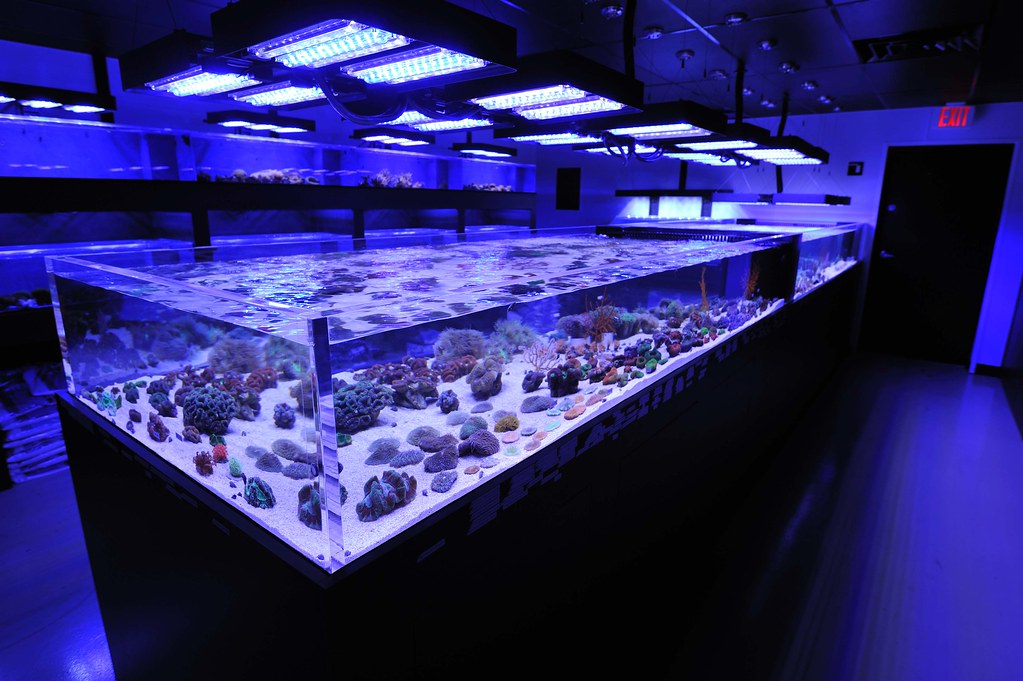
Tropical fish bring color and life to any aquarium, but they are susceptible to multiple diseases that can affect their health and lifespan. Early detection and treatment are critical for a thriving tank. Many fish enthusiasts search for a saltwater fish store near me to obtain healthy stock and advice on preventive care. Understanding the signs of illnesses like ich, fin rot, and swim bladder disease enables aquarists to act quickly, ensuring their fish remain vibrant, active, and disease-free in a safe aquatic environment.
Ich (White Spot Disease)
Ich, or Ichthyophthirius multifiliis, is a highly contagious parasite causing white spots on fins and scales. Stress, abrupt water temperature changes, and poor tank conditions often trigger outbreaks. Affected fish may rub against objects or show labored breathing. Treatment includes gradually raising water temperature and applying aquarium-safe medications. Maintaining a stable environment and minimizing stress are essential for prevention. Observing fish regularly helps identify early signs before the disease spreads throughout the tank, safeguarding all inhabitants.
Fin Rot
Fin rot is a bacterial infection causing frayed, ragged fins and discoloration. Overcrowding, injury, or poor water quality often lead to its development. Fish may also exhibit lethargy or reduced appetite. Preventive measures include routine water changes, balanced nutrition, and maintaining optimal tank conditions. Early detection allows for effective antibiotic treatment if needed. Avoiding aggressive tank mates and monitoring stress levels in your aquarium ensures fish heal quickly and prevents the disease from spreading to healthy individuals.
Fungal Infections
Fungal infections appear as cotton-like growths on fins, skin, or gills, often following injuries or stress. Infected fish may move slowly or reduce feeding, and left untreated, the infection can worsen. Antifungal medications combined with improved water quality are effective treatments. Maintaining a clean aquarium and isolating affected fish prevents further spread. Regular observation and prompt intervention are crucial. Ensuring fish receive a nutritious diet and a stress-free environment strengthens their immunity against opportunistic fungal infections.
Swim Bladder Disease
Swim bladder disease disrupts a fish’s buoyancy, causing abnormal swimming patterns such as floating upside down or sinking. Overfeeding, constipation, or bacterial infections often trigger this condition. A treatment plan typically involves fasting the fish for 24–48 hours, followed by feeding peeled peas to aid digestion. Maintaining balanced nutrition and avoiding sudden dietary changes reduces the likelihood of recurrence. Observing tank conditions and fish behavior consistently helps aquarists address swim bladder issues early, supporting normal swimming and overall health.
Velvet Disease
Velvet disease, caused by parasitic dinoflagellates, forms a fine, velvety coating over the fish’s body. Crowded tanks and poor water quality promote rapid spread. Infected fish display gold or rust-colored dust, clamped fins, and rapid gill movement. Copper-based medications are effective treatments, and isolating affected fish prevents transmission. Maintaining stable water parameters, avoiding overcrowding, and careful observation of new additions to the tank reduce the risk. Early detection ensures infected fish recover quickly and helps maintain a healthy aquarium environment.
Columnaris
Columnaris is a bacterial infection common in freshwater tropical fish, causing ulcers, gill damage, and white or gray patches on fins or body. Fish may gasp at the surface, showing signs of distress. Prompt antibiotic treatment is crucial, along with maintaining optimal water quality. Early intervention prevents severe complications and potential tank-wide outbreaks. Proper quarantine procedures for new fish, along with routine tank monitoring, reduce the risk of Columnaris. Balanced nutrition and a stress-free environment further strengthen fish immunity, minimizing the likelihood of future infections.
Parasites
Parasites, including flukes, lice, and anchor worms, feed on fish tissue or blood, weakening their immune system and causing stress. Infected fish may scratch against objects, breathe rapidly, or display visible worms or spots. Regular quarantine of new fish and consistent tank cleaning prevent parasite infestations. Maintaining stable water conditions and observing behavior daily ensures early detection. Prompt treatment with recommended antiparasitic medications protects both the infected fish and the rest of the aquarium inhabitants, keeping your tank healthy and thriving.
Preventing Tropical Fish Diseases
Preventive care is the most effective way to protect tropical fish from illness. Regular water testing, balanced nutrition, and avoiding overcrowding create a stable and safe environment. Observing fish behavior allows for early detection of potential issues. Sourcing healthy fish from a saltwater fish store near me ensures the introduction of strong, disease-free specimens. Routine water changes, maintaining filtration, and providing hiding spaces help reduce stress. Prevention, combined with prompt treatment when necessary, ensures fish live long, healthy lives while maintaining a vibrant, colorful aquarium.
Importance of Quarantine and Observation
Quarantining new fish before adding them to the main tank prevents the introduction of diseases like ich, fin rot, or parasites. Observation during quarantine allows early treatment of any signs of illness, reducing the risk to established fish. Regularly monitoring behavior, appetite, and physical appearance of all aquarium inhabitants helps aquarists detect subtle health changes. Proper quarantine protocols, combined with maintaining excellent water quality, create a robust preventive strategy. Consistent observation empowers fish owners to intervene early, ensuring a stable and thriving aquatic environment for all tropical fish.
Balanced Nutrition and Tank Management
A well-balanced diet improves fish immunity, helping resist infections. High-quality food, occasional live or frozen treats, and proper feeding schedules prevent overfeeding and digestive issues, including swim bladder problems. Tank management practices like avoiding overcrowding, cleaning debris, maintaining proper water parameters, and monitoring filtration efficiency play a critical role in disease prevention. Healthy environmental conditions reduce stress and limit susceptibility to bacterial, fungal, and parasitic infections. Consistently following these management practices ensures fish remain active, vibrant, and disease-free for long periods.
Conclusion
Tropical fish are prone to diseases like ich, fin rot, velvet disease, swim bladder issues, Columnaris, and parasitic infestations. Prompt detection, proper treatment, and preventive care create a thriving aquarium. Regular observation, maintaining water quality, feeding a balanced diet, and sourcing healthy fish from a saltwater fish store near me minimize risks significantly. Consistent quarantine practices, stress reduction, and proactive tank management ensure long-term health. Staying informed and proactive allows aquarium enthusiasts to enjoy vibrant, healthy tropical fish that enhance any aquatic environment for years.
FAQs
1. How can ich be prevented in tropical fish?
Maintaining stable water temperature and parameters, along with quarantining new fish, helps prevent ich outbreaks.
2. What treatments are effective for fin rot?
Routine water changes, reducing stress, and using antibiotics if necessary can treat fin rot efficiently.
3. How do I treat swim bladder disease naturally?
Fasting affected fish for 24–48 hours and feeding peeled peas often relieves digestive issues causing buoyancy problems.
4. What are early signs of velvet disease?
Gold or rust-colored dust, clamped fins, and rapid gill movement indicate velvet infection. Prompt isolation and treatment are required.
5. How do I prevent parasites in my aquarium?
Quarantine new fish, maintain clean water, observe fish behavior regularly, and use antiparasitic medications if needed.