What to Expect During a Professional Termite Inspection
Worried about what happens during a professional termite inspection? Learn what inspectors look for, how to prepare, and how to protect your home from costly damage.
 wyattlangston
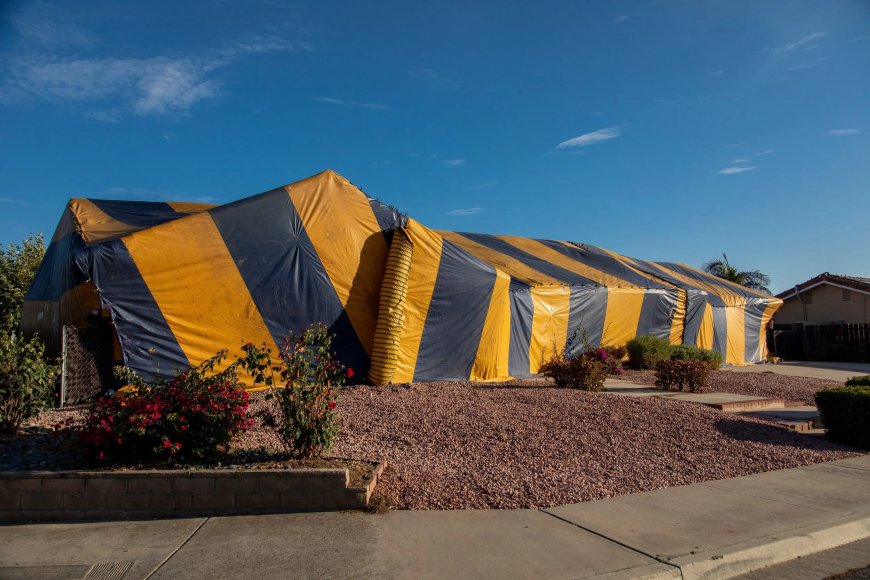
Let’s be honest—no homeowner wakes up excited about the idea of termites. The word alone can make your stomach drop. Tiny insects silently chewing through the structure of your biggest investment? Not exactly comforting. But here’s the good news: a professional termite inspection isn’t nearly as scary as it sounds. In fact, it’s one of the smartest, most proactive steps you can take to protect your home. If you’re scheduling a termite inspection in Maryland, understanding what happens during the process can ease nerves and help you prepare. So let’s walk through it together—step by step—so you know exactly what to expect.
Why Termite Inspections Matter More Than You Think
Termites are often called “silent destroyers,” and that nickname isn’t dramatic—it’s accurate. They can cause significant structural damage before you ever see a single sign. Unlike a leaky faucet or a cracked window, termite damage doesn’t announce itself loudly. It hides behind walls, under floors, and inside wooden framing. That being said, regular inspections can catch issues early, often before repairs become expensive and invasive. In regions where moisture levels and soil conditions create favorable environments for termites, such as Maryland, inspections aren’t just recommended—they’re essential. That’s why many homeowners schedule a termite inspection in Maryland even if they haven’t noticed any visible problems.
When Should You Schedule a Termite Inspection?
You might be wondering: do I need one now, or can it wait? There are a few key times when scheduling makes sense. First, during a real estate transaction. Lenders often require a wood-destroying insect inspection before closing. Second, if you notice signs like mud tubes, discarded wings, or hollow-sounding wood. And third, as part of routine maintenance every one to three years, depending on your risk level. Home Inspectors in Howard County frequently recommend proactive inspections because early detection is far less costly than structural repairs. On the flip side, waiting until you see obvious damage could mean the infestation has already progressed.
What Happens Before the Inspection Begins?
Before the inspector even arrives, there’s a little preparation involved. You don’t need to deep clean your home, but clearing access to key areas makes a big difference. That includes moving items away from foundation walls, ensuring crawl spaces are accessible, and trimming vegetation that’s touching the exterior. During a termite inspection in Maryland, accessibility is crucial because termites often enter at ground level or through concealed exterior points. If an inspector can’t reach those areas, they can’t properly assess them. Think of it like a doctor’s exam—clear visibility leads to accurate diagnosis.
The Exterior Inspection: First Line of Defense
Foundation and Structural Perimeter
The inspection typically starts outside. Why? Because most termite infestations begin at the exterior foundation. Inspectors carefully examine the perimeter of your home, looking for mud tubes, wood-to-soil contact, cracks in the foundation, and moisture issues. Mud tubes are pencil-sized tunnels termites build to travel safely between soil and wood. They’re one of the most common signs of subterranean termites. Home Inspectors in Howard County are trained to spot even subtle indicators that homeowners might miss, such as blistering paint or slight wood discoloration. Here’s the kicker: even landscaping choices can contribute to risk. Mulch piled too high or firewood stacked against siding can create inviting conditions for termites.
Roofline, Eaves, and Drainage
Inspectors don’t stop at ground level. They’ll also evaluate gutters, downspouts, and roof edges to identify moisture problems. Termites thrive in damp environments, so poor drainage can indirectly increase your risk. During a termite inspection in Maryland, attention to water flow is just as important as looking for visible insect activity. Moisture attracts termites. It’s that simple.
The Interior Inspection: Looking Beneath the Surface
Once the exterior is complete, the inspector moves inside. This is where things get detailed. Expect them to examine basements, crawl spaces, utility rooms, window sills, door frames, and exposed wooden beams. They may gently tap wood surfaces to detect hollow areas or use specialized tools like moisture meters. Don’t worry—professional inspections are non-invasive. No walls are torn open unless there’s a clear reason. Home Inspectors in Howard County often explain their findings in real time, pointing out areas of concern and clarifying what’s normal versus problematic. That transparency helps homeowners feel informed instead of overwhelmed.
What Inspectors Are Actually Looking For
It’s not just live termites. Inspectors look for a range of indicators. These include discarded wings from swarmers, frass (termite droppings), soft or blistering wood, and structural vulnerabilities. Sometimes, the absence of termites is just as important as finding them. For example, conditions conducive to infestation—like high humidity or wood-to-ground contact—are flagged even if no active colony is present. A thorough termite inspection in Maryland evaluates both current activity and future risk. That proactive approach gives you options before damage occurs.
How Long Does a Termite Inspection Take?
Most inspections take between 45 minutes and 90 minutes, depending on the size and complexity of the property. Larger homes or those with crawl spaces may take longer. The process is methodical, not rushed. Home Inspectors in Howard County understand that thoroughness matters more than speed. After all, missing a small mud tube could mean overlooking a larger issue.
The Inspection Report: What You’ll Receive
After the inspection, you’ll receive a detailed report outlining the findings. This document typically includes notes on visible damage, evidence of activity, areas that couldn’t be inspected, and recommendations for treatment if needed. If the inspection is part of a real estate transaction, the report may follow a standardized wood-destroying insect format required by lenders. When you schedule a termite inspection in Maryland, the report becomes a valuable record of your home’s condition. Even if no termites are found, having documentation can be useful for future buyers or insurance purposes.
What If Termites Are Found?
Take a breath. Finding termites doesn’t mean your home is doomed. It simply means action is needed. Treatment options may include soil treatments, bait systems, or localized wood treatments depending on the severity and type of infestation. Many pest control companies coordinate closely with Home Inspectors in Howard County to ensure treatment plans align with structural assessments. On the flip side, ignoring the issue can lead to escalating damage and higher repair costs. Early detection almost always results in simpler solutions.
How to Prepare Your Home for Inspection Day
Preparation doesn’t have to be complicated. Clear clutter from foundation walls. Unlock crawl space doors. Ensure pets are secured. Trim shrubs touching the house. These small steps make the process smoother and more effective. During a termite inspection in Maryland, inspectors need unobstructed access to see potential entry points. If they can’t access an area, it may be noted as “inaccessible” in the report, which could delay real estate transactions or leave unanswered questions.
Preventive Tips After the Inspection
Whether termites are found or not, prevention should be ongoing. Keep firewood away from your home. Maintain proper drainage. Fix leaks promptly. Reduce direct wood-to-soil contact wherever possible. Many homeowners schedule periodic follow-up visits with Home Inspectors in Howard County to monitor conditions over time. Prevention isn’t a one-time task—it’s part of responsible homeownership. Think of it like servicing your HVAC system. Regular attention keeps bigger problems at bay.
Common Myths About Termite Inspections
Some people assume inspections are only necessary if they see visible damage. Not true. Others think newer homes are immune. Also false. Termites don’t discriminate based on a home’s age. A professional termite inspection in Maryland is about risk assessment, not just visible destruction. Another myth? That inspections are invasive and disruptive. In reality, they’re straightforward and minimally intrusive.
The Peace of Mind Factor
Here’s something homeowners often don’t talk about: the emotional relief that comes with a clean inspection report. Knowing your home’s structure is sound allows you to relax. No second-guessing strange creaks. No wondering if that tiny crack means something worse. Home Inspectors in Howard County frequently hear clients say they wish they’d scheduled inspections sooner simply for the reassurance alone.
Final Thoughts: Knowledge Is Protection
A professional termite inspection isn’t just about checking for bugs—it’s about protecting your investment, your safety, and your peace of mind. From the exterior foundation check to the detailed interior evaluation, every step is designed to uncover hidden risks before they become costly repairs. If you’re considering a termite inspection in Maryland, think of it as preventive maintenance rather than a reaction to a problem. And by working with experienced Home Inspectors in Howard County, you ensure the process is thorough, transparent, and tailored to your property. Your home works hard to shelter you. Making termite inspections part of your regular maintenance routine is one simple way to return the favor.