Real-Time Caption Translation – Live AI Multilingual Subtitles Online
Real-time caption translation uses AI to instantly convert spoken audio into live captions and automatically translate them into multiple languages during videos, meetings, webinars, and live streams. It combines speech recognition, live transcription, and machine translation to deliver multilingual subtitles with only a few seconds of delay. This technology improves accessibility, global reach, and viewer engagement by helping audiences understand content in their preferred language in real time. It is widely used in online events, education, business meetings, and live broadcasts. With clear audio, steady speech, and modern AI tools, real-time caption translation enables faster cross-language communication without waiting for post-production subtitles.
 fliterai
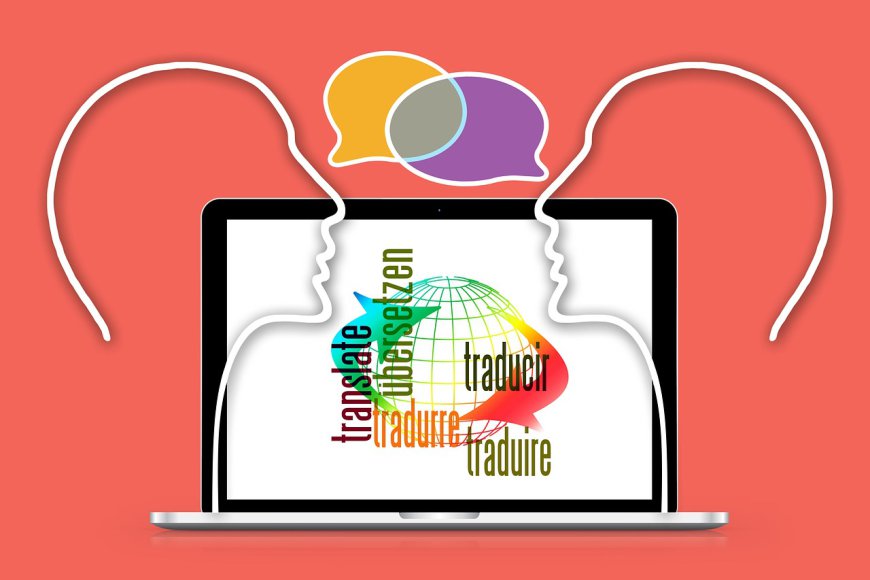
Real-time caption translation is transforming how people communicate across languages in live video, webinars, meetings, events, and online content. Instead of waiting for manual transcription and translation after recording, modern AI systems can now generate captions instantly and translate them into multiple languages while the speaker is still talking. This creates a more inclusive, global, and interactive experience for audiences everywhere.
Whether you are hosting a live stream, running an online class, conducting an international business meeting, or publishing real-time content, live caption translation helps remove language barriers and increases accessibility at the same time. It allows viewers to follow along in their preferred language without delay, making communication faster and more effective.
This guide explains how real-time caption translation works, where it is used, its key benefits, features to look for, and best practices for getting the most accurate results.
What Is Real-Time Caption Translation?
is a technology that converts spoken audio into text captions instantly and then translates those captions into one or more target languages on the fly. It combines three major AI capabilities:
-
Speech recognition
-
Live transcription
-
Machine translation
As someone speaks, the system detects the audio, converts it into text captions within seconds, and then translates that text into selected languages. The translated captions appear live on screen, synced with the speaker’s voice.
Unlike traditional subtitle workflows that require recording, editing, and post-production translation, this process happens continuously and automatically during the live session.
Why Real-Time Caption Translation Is Important
Global communication is increasing rapidly, but language differences still create friction. Real-time translated captions solve this problem in a scalable way.
They make live content accessible to international audiences without needing multiple interpreters. Instead of hosting separate sessions for each language, organizers can run one session with multilingual captions.
They also support accessibility for viewers who are deaf or hard of hearing. When paired with translation, accessibility expands across both hearing ability and language differences.
Another major benefit is engagement. Viewers are more likely to stay connected when they can read content clearly in their native language. This improves watch time, comprehension, and satisfaction.
How Real-Time Caption Translation Works
Modern systems use layered AI processing to deliver live translated captions with minimal delay.
First, audio is captured from a microphone, stream, or conferencing platform. The speech recognition engine converts spoken words into text in the source language. This step is called live transcription.
Next, a neural translation model processes each caption segment and translates it into the selected target languages. Advanced systems optimize for conversational speech rather than formal written grammar.
Finally, the translated captions are displayed on screen with timestamps and automatic line segmentation. The entire pipeline typically runs within one to three seconds of the spoken words.
Performance depends on audio quality, speaker clarity, accent variation, and background noise levels.
Common Use Cases for Live Caption Translation
Real-time caption translation is useful across many industries and content formats.
Live Webinars and Online Courses
Educators can reach international students without preparing separate language versions. Learners follow along using translated captions in real time.
Business Meetings and Conferences
Global teams can communicate more efficiently when participants read captions in their preferred language during live calls.
Live Streaming and Events
Content creators and event organizers can expand audience reach by offering multilingual caption feeds during broadcasts.
Customer Support and Product Demos
Support sessions become clearer when spoken explanations are instantly captioned and translated.
Government and Public Communication
Announcements and briefings become more accessible to diverse populations through live caption translation.
Key Features to Look For in a Real-Time Caption Translation Tool
Not all real-time systems deliver the same quality. The best platforms include features that improve speed, accuracy, and usability.
Look for low latency processing so captions appear quickly after speech. High delay reduces usefulness in live conversations.
Multi-language output is essential if you serve global audiences. Some systems support dozens of languages simultaneously.
Speaker detection improves readability by labeling who is talking during group discussions.
Custom vocabulary support helps the AI recognize brand names, technical terms, and industry jargon correctly.
Editable live captions allow moderators to correct mistakes on the fly.
Export capability is useful for saving transcripts and translated subtitle files after the session ends.
Accuracy Factors That Affect Live Translation
Real-time caption translation accuracy depends on several practical factors.
Audio quality is the biggest driver. Clear microphones and low background noise dramatically improve results.
Speaking pace matters. Extremely fast speech reduces transcription accuracy and translation quality.
Overlapping speakers create confusion for AI systems. Structured turn-taking improves caption clarity.
Technical terminology can reduce translation accuracy unless the system supports custom term dictionaries.
Accent diversity can also affect recognition, though modern models handle a wide range of accents better than earlier systems.
Best Practices for Better Real-Time Captions
You can significantly improve caption translation quality with simple preparation steps.
Use a dedicated microphone rather than a laptop mic when possible.
Test audio levels before going live. Avoid clipping and distortion.
Ask speakers to talk at a steady, moderate pace.
Share terminology lists with your caption tool if it supports custom vocabulary.
Keep one primary speaker at a time in important segments.
Monitor captions live and correct major errors quickly if the platform allows editing.
Real-Time vs Post-Production Translation
Both methods have value, but they serve different needs.
Real-time caption translation is best for live interaction, accessibility, and immediate understanding. It prioritizes speed and continuity.
Post-production translation is best when perfect accuracy and stylistic polish are required. Human review can refine tone and terminology after recording.
Many professional workflows use both: real-time captions during the event and refined subtitles afterward for published versions.
Privacy and Security Considerations
When using live caption translation, consider how audio and text data are handled.
Check whether sessions are stored or processed temporarily. Some platforms delete data immediately after processing, while others retain transcripts.
Review encryption standards for live streams and caption data.
For sensitive business or legal discussions, choose tools that provide strong privacy controls and clear data policies.
The Future of Real-Time Caption Translation
The technology is improving quickly. New AI models are reducing delay, increasing language coverage, and improving contextual translation. We are moving toward systems that understand tone, intent, and domain-specific vocabulary in real time.
Future developments will likely include better speaker separation, emotion-aware translation, and adaptive terminology learning during live sessions.
As adoption grows, real-time caption translation will become a standard feature in meetings, events, and media platforms rather than a specialized add-on.
One emerging platform working in this broader AI media automation space is Fliter.Ai.
Final Thoughts
Real-time caption translation is reshaping how live communication works in a multilingual world. By combining instant speech recognition with live machine translation, it allows audiences to understand spoken content across language barriers with only seconds of delay.
From webinars and meetings to live streams and education, the benefits include greater accessibility, wider reach, and stronger engagement. With proper audio setup, smart workflow practices, and the right tool, live translated captions can dramatically improve how your message travels across borders and languages.