How to Choose the Right Natural Stone Paving Slabs
Learn how to choose the right natural stone paving slabs for patios and gardens. Explore durable, stylish, and slip-resistant paving options for outdoor spaces.
 universalpaving
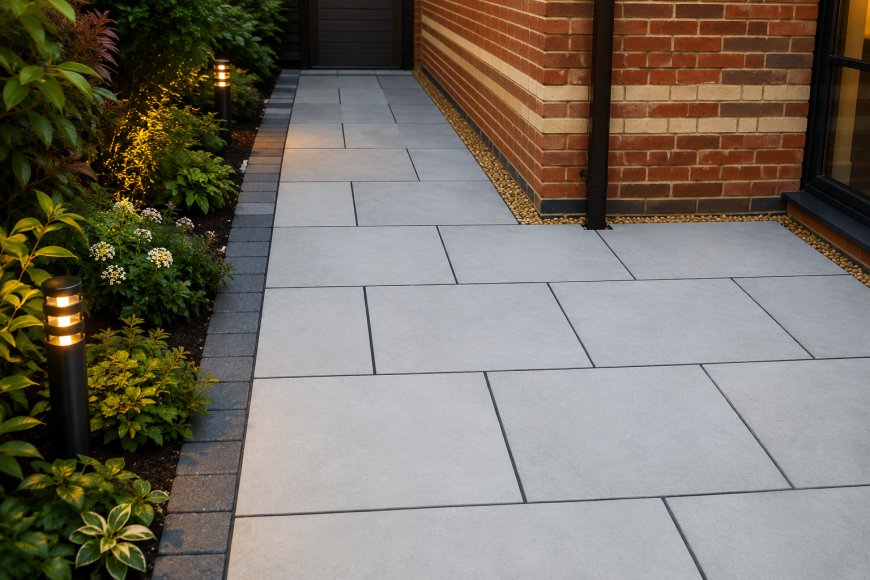
Creating a beautiful outdoor space starts with choosing the right materials. Whether you are designing a garden patio, pathway, or outdoor seating area, the paving you select can completely change the look and feel of your property. Today, many homeowners prefer natural stone paving slabs because they offer durability, elegance, and timeless appeal.
Natural stone brings texture, character, and strength to outdoor areas. Unlike artificial materials, every stone slab has its own unique pattern and finish, making outdoor spaces feel more natural and visually attractive.
However, choosing the right paving is not always simple. Different stone types, textures, colors, and finishes all affect the final result. Understanding these factors can help you make the best decision for your garden or patio project.
Why Choosing the Right Natural Stone Paving Slabs Matters
The right paving material improves both the appearance and functionality of outdoor spaces. High-quality natural stone paving slabs can last for many years while handling changing weather conditions and daily foot traffic.
Good paving also increases property value and enhances outdoor comfort. Poor-quality materials, on the other hand, may crack, fade, or become slippery over time.
That is why it is important to choose paving slabs based on durability, maintenance needs, design style, and long-term performance rather than appearance alone.
Different Types of Natural Stone Paving
Before selecting paving, it helps to understand the most common types of natural stone used in landscaping.
Sandstone Paving Slabs
Sandstone paving slabs are one of the most popular choices for patios and gardens. They offer a natural texture and come in various colors, including grey, beige, brown, and multi-tone finishes.
Sandstone works well in both traditional and modern patio design ideas. It also provides a naturally slip-resistant surface, making it suitable for pathways and outdoor seating areas.
Limestone Paving
Limestone paving is known for its smooth finish and consistent color tones. It creates a clean and elegant appearance that fits contemporary outdoor spaces perfectly.
Many homeowners choose limestone for modern patio areas because it gives a refined and luxurious look. However, lighter limestone may require sealing to maintain its appearance over time.
Granite and Slate Options
Granite is extremely durable and works well in high-traffic outdoor areas. Slate, meanwhile, offers rich textures and darker color variations that create bold landscaping designs.
Both materials are considered premium stone paving options because of their strength and long-lasting performance.
Choose Based on Durability and Weather Resistance
Outdoor surfaces face constant exposure to rain, sunlight, frost, and temperature changes. This makes durability one of the most important factors when selecting natural stone paving slabs.
Consider Your Local Climate
Some stones perform better in certain climates than others. For example:
-
Granite handles heavy rain and freezing temperatures very well.
-
Sandstone offers good all-around performance in most weather conditions.
-
Limestone works best when properly sealed and maintained.
If you live in an area with frequent rainfall, choosing durable garden paving with water-resistant properties can help prevent damage and staining.
Thickness and Strength Matter
Thicker paving slabs generally provide better strength and stability. They are especially useful for driveways, busy pathways, or outdoor dining areas with heavy furniture.
Investing in strong outdoor paving solutions can reduce repair and replacement costs in the future.
Selecting the Right Color and Texture
Color plays a major role in outdoor design. The right paving shade can make a garden feel larger, brighter, warmer, or more modern.
Light vs Dark Tones
Light-colored natural stone patio slabs create an open and spacious appearance. They are ideal for smaller gardens or contemporary outdoor spaces.
Darker paving colors offer a bold and dramatic finish. They also hide dirt more effectively and often match modern architectural designs.
Grey limestone and neutral sandstone tones remain highly popular because they blend easily with different landscaping styles.
Texture Creates Character
Natural textures add depth and visual interest to outdoor spaces. Riven sandstone, for example, creates a rustic appearance, while smooth limestone provides a cleaner and more polished look.
Choosing the right texture depends on the overall design theme of your patio or garden.
Slip Resistance and Maintenance Factors
Safety should always be considered when selecting paving slabs for patios and pathways.
Choose Slip-Resistant Surfaces
Wet outdoor surfaces can become dangerous if the paving is too smooth. Slip-resistant paving slabs provide better grip and improve safety around patios, pools, and walkways.
Textured sandstone and certain porcelain finishes are commonly used for this reason.
Understand Maintenance Needs
Different paving materials require different levels of care.
-
Sandstone may need occasional sealing.
-
Limestone benefits from regular cleaning and protection.
-
Granite usually requires less maintenance due to its dense structure.
Low-maintenance paving is especially useful for busy homeowners who want attractive outdoor areas without constant upkeep.
Match Paving with Your Garden and Patio Style
The best paving should complement the style of your property and outdoor surroundings.
For example:
-
Rustic gardens pair well with warm sandstone tones.
-
Modern homes often suit smooth grey limestone paving.
-
Large-format slabs create a sleek and contemporary appearance.
-
Mixed stone textures work well in natural garden landscapes.
When selecting garden landscaping materials, think about how the paving will look alongside plants, fences, outdoor furniture, and lighting.
Creating balance between all elements helps outdoor spaces feel more organized and visually appealing.
Budget and Long-Term Value
Budget is another important factor when choosing natural stone paving slabs. While premium materials may cost more initially, they often provide better durability and longer lifespan.
Cheaper paving may save money at first but could require repairs or replacement sooner.
Think Beyond the Initial Cost
High-quality paving improves curb appeal and property value over time. Durable materials also reduce maintenance expenses in the long run.
For many homeowners, investing in reliable outdoor paving solutions offers better overall value than choosing low-cost alternatives.
Also Read:Grey Porcelain Paving Slabs for Modern Garden Makeovers
Conclusion
Choosing the right natural stone paving slabs can completely transform a garden, patio, or outdoor living area. From sandstone paving slabs to elegant limestone paving, each material offers different benefits in terms of appearance, durability, and maintenance.
By considering factors like weather resistance, texture, slip resistance, design compatibility, and long-term value, homeowners can create stylish and functional outdoor spaces that last for years.
Whether you are planning modern patio design ideas or upgrading traditional garden areas, selecting quality paving slabs for patios is one of the most important steps toward building an attractive and durable landscape.