How to Plan Your Desert Trips in Morocco for an Unforgettable Experience
 blitz.maz
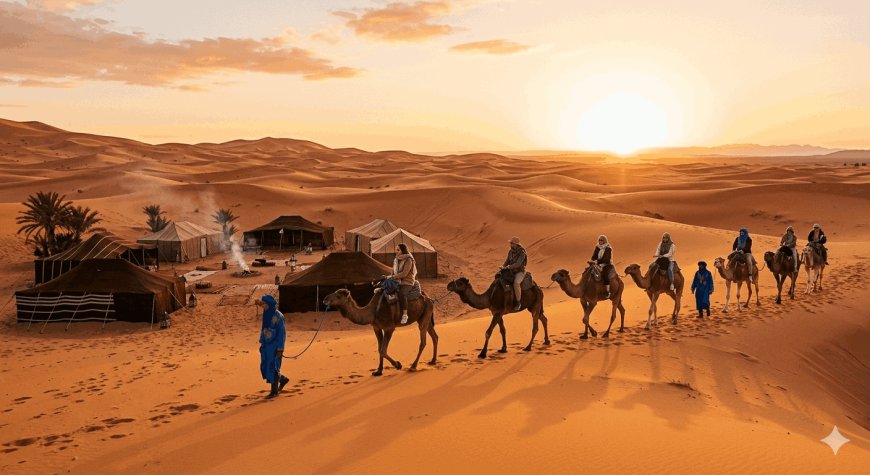
The vast, shifting sands of the Sahara represent a timeless allure, drawing travelers from across the globe to the kingdom of North Africa. For many, desert trips in Morocco are not just a segment of a vacation; they are a profound, soul-stirring transition from the bustling urban energy of ancient medinas to the silent, golden majesty of the dunes. As we move through 2026, Morocco has cemented its status as a premier global destination, with recent tourism data indicating record-breaking arrivals of nearly 20 million visitors. This surge is driven by a unique blend of heritage, improved air connectivity, and a growing trend toward "soulful luxury" where travelers seek deeper connections with nature. Planning an expedition into this arid wilderness requires a balance of logistical foresight and cultural curiosity, as the Moroccan Sahara offers a variety of experiences ranging from the accessible and iconic to the wild and remote.
Navigating the Diverse Gateways of the Moroccan Sahara
When individuals search for desert trips in Morocco, they are often surprised to learn that the "desert" is not a singular, uniform location. In geographical terms, the Sahara is a complex mosaic of terrains. According to Wikipedia, the region is categorized into different landforms, primarily the "hamada," which consists of barren, hard, rocky plateaus, and the "erg," which refers to the broad, flat areas of desert covered with wind-swept sand. In Morocco, two primary ergs dominate the itinerary for most travelers: Erg Chebbi and Erg Chigaga.
Erg Chebbi, located near the village of Merzouga, is the most famous and accessible destination. These dunes are legendary for their height, reaching up to 150 meters, and their vibrant orange hue that glows during the golden hour of sunset. Because Merzouga is reached via paved roads, it has become the hub for high-quality tourism, featuring various accommodations from traditional Berber tents to world-class luxury camps. Conversely, Erg Chigaga offers a more rugged and isolated experience. Reaching Chigaga requires a significant journey off the beaten path, usually involving several hours of travel across the stony hamada in a 4x4 vehicle. This isolation ensures a sense of solitude that is increasingly rare, making it the preferred choice for those who prioritize raw, undisturbed beauty over ease of access.
Comparing Popular Desert Regions
|
Destination |
Landscape Type |
Accessibility |
Recommended Duration |
|
Erg Chebbi |
Towering Sand Dunes |
High (Paved Roads) |
3 to 4 Days |
|
Erg Chigaga |
Wild, Remote Dunes |
Low (4x4 Required) |
4 to 6 Days |
|
Agafay Desert |
Stony, Lunar Plateau |
Very High (near Marrakech) |
Half-day or 1 Night |
|
Zagora |
Flat, Rocky Plains |
High (via Draa Valley) |
2 Days |
Logistics, Sustainability, and the Rise of Eco-Conscious Travel
The success of desert trips in Morocco depends heavily on selecting the right operator and understanding the modern landscape of the travel industry. Professional travel analysts at Forbes have recently highlighted a major shift in the Moroccan hospitality sector, where "privacy and access" have replaced mere opulence. In 2026, the trend of high-end glamping has reached a new peak, with luxury camps now offering semi-permanent structures that include private en-suite bathrooms, solar-powered lighting, and organic, locally sourced cuisine. This evolution allows travelers to experience the thrill of the wild without sacrificing comfort, effectively redefining the Saharan experience for a new generation of affluent explorers.
Sustainability has also moved to the forefront of the conversation. According to current research found on Google News, the Moroccan government is actively promoting its "Light in Action" tourism plan, which aims to attract 17.5 million tourists by the end of 2026 while emphasizing environmental preservation. Responsible tour operators are now adopting stricter "leave no trace" policies, using bottled gas for cooking to prevent deforestation and ensuring that water usage is carefully managed in these fragile ecosystems. Choosing a provider that prioritizes fair trade and community-led initiatives ensures that your visit contributes positively to the nomadic families and local villages that serve as the guardians of the desert.
Essential Preparation and Cultural Etiquette in the Dunes
Proper physical and mental preparation is vital for any desert trips in Morocco. The Saharan environment is one of dramatic contrasts, where daytime temperatures can be quite warm while night temperatures, particularly from December to February, can drop toward freezing. Layering is the most effective clothing strategy; light, breathable cotton or linen fabrics are ideal for daytime sun protection, while a warm fleece or down jacket is indispensable for the evenings. Additionally, a traditional Moroccan scarf, or "cheche," is a functional piece of gear that protects the face from wind-blown sand and provides a layer of warmth during early morning camel treks.
Beyond the physical gear, understanding cultural etiquette is key to a rewarding journey. The desert regions are home to the Amazigh (Berber) people, whose culture is defined by legendary hospitality. When participating in desert trips in Morocco, you will inevitably be invited to share mint tea, often referred to as "Berber whiskey." Accepting this gesture with a smile and using your right hand for eating and greeting is a sign of deep respect. Furthermore, while the desert may feel like a vast playground, it is an inhabited space with specific social codes. Dressing modestly when passing through rural villages and seeking permission before taking photographs of local residents are small actions that foster mutual respect and a deeper, more authentic connection with the people of the Sahara.
The Traveler’s Desert Packing Checklist
-
Clothing: Breathable layers, a sturdy warm jacket, and a wide-brimmed hat.
-
Footwear: Broken-in walking shoes or lightweight hiking boots for the dunes.
-
Skin Care: High-SPF sunscreen, moisturizing lip balm, and biodegradable wet wipes.
-
Tech: A high-capacity power bank and spare camera batteries, as solar charging can be slow.
-
Misc: Rehydration salts and a small personal first-aid kit.
Conclusion: Embracing the Magic of the Moroccan Sands
Embarking on desert trips in Morocco is an invitation to witness the world in its most elemental and beautiful form. From the first glimpse of the snow-capped Atlas peaks to the final evening spent gazing at a Milky Way so bright it feels close enough to touch, every moment of the journey is designed to inspire wonder and reflection. As Morocco continues to modernize its infrastructure while preserving its timeless heritage, the opportunity to explore the Sahara with safety, comfort, and authenticity has never been greater. Whether you are trekking across the dunes on the back of a camel or racing through the hamada in a modern 4x4, the desert has a unique power to clear the mind and leave you with memories that will last a lifetime. The silence of the Sahara is calling; all that remains is for you to answer.