How Transportation Management Systems Impact Today's Supply Chain?
Transportation plays an important role in the success of modern supply chains
 Bpo Logistics
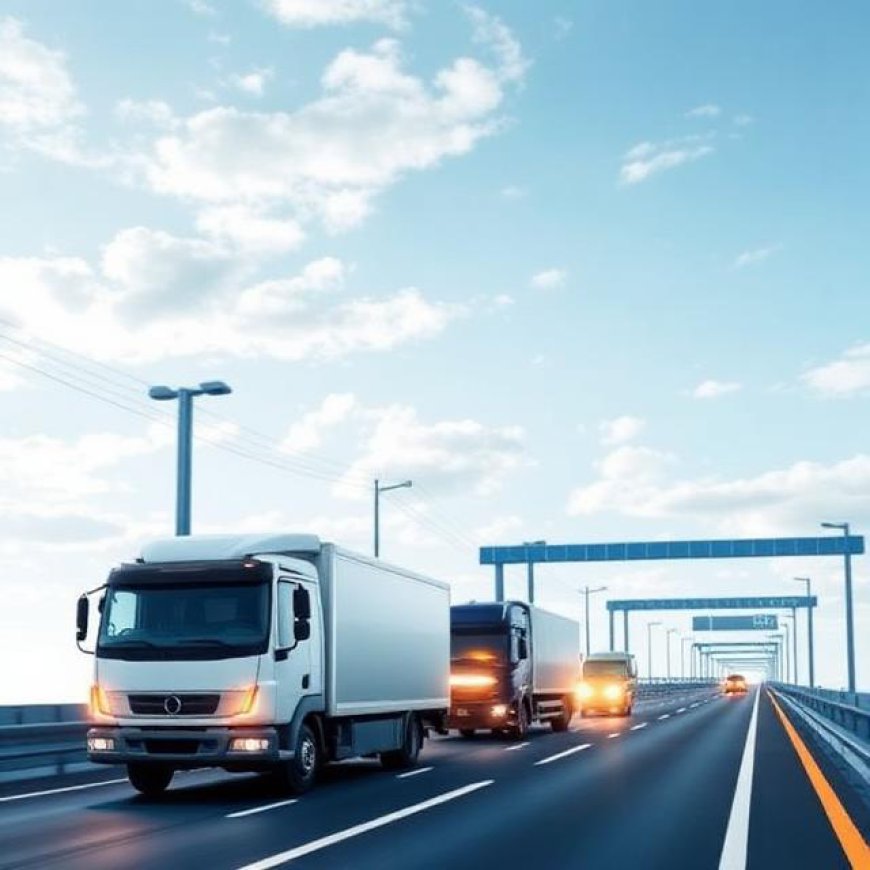
Transportation plays an important role in the success of modern supply chains in today's competitive business climate. There are many aspects of the delivery process that companies need to keep track of, including how to send and receive deliveries, managing freight costs, on-time delivery, and visibility into all aspects of their logistics network. For that reason, companies trying to enhance efficiencies and increase customer satisfaction look to TMS as a tool for transportation management.
A TMS or transportation management system in supply chain is a software platform designed to help manage the transportation of goods from beginning to end. Companies use TMS to manage transportation progress through order entry, carrier selection, shipment tracking, and performance analysis. Utilising TMS helps companies automate complex logistics procedures, remove manual labour, improve accuracy, and enhance the overall efficiency of logistics operations.
Improved visibility is one of the primary benefits of using a logistics transport management system. Having real-time visibility into a shipment's movement through the delivery process allows logistics professionals to have very quick access to shipment delay and rerouting information, and can update customers with accurate delivery details on their transportation activities. Improved visibility into the logistics process also helps enhance communication and improve the level of trust customers have in the logistics provider.
Another key benefit of implementing a TMS is the ability to reduce overall costs. Freight Costs are typically one of the most significant percentages of an organisation's logistics cost structure.
Expectations of customers continue to rise dramatically. They now expect fast deliveries, updates that are real-time and service they can rely on. By offering businesses solutions for improving delivery accuracy via shipping location and real-time updates on each shipment, Transportation Management Systems support meeting these increasing customer expectations. As a result, customers have a better overall experience and increased loyalty to a brand.
Logistics transportation management solutions also generate a wealth of data that can be used to make long-term logistics strategy improvements. Detailed reports on carrier performance, transport times, transport costs, and route efficiencies allow companies to identify trends and implement improvements using data-based methods.
Ultimately, Transportation Management Systems are critical in revolutionising and positioning logistics for the future. By improving visibility, reducing costs, improving efficiency, and enhancing customer service, these solutions enable businesses to maintain their competitive edge in an extremely complex global supply chain environment.