HVAC Web Design Agency: The Complete Guide for Contractors
A good HVAC website should not just look professional. It should rank on Google, load fast, explain services clearly, build trust, and make it easy for visitors to call, request service, or book an estimate.
 wowwwagency
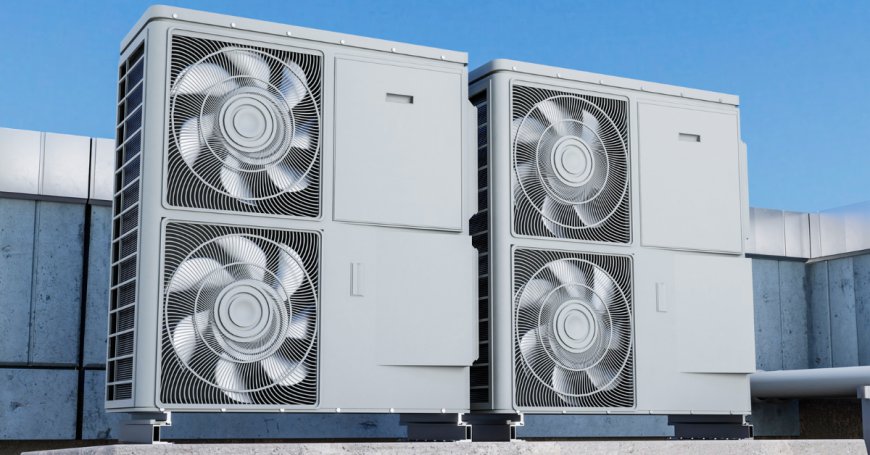
An HVAC Web Design Agency helps heating and cooling contractors turn their website into a lead-generation system. A good HVAC website should not just look professional. It should rank on Google, load fast, explain services clearly, build trust, and make it easy for visitors to call, request service, or book an estimate.
For contractors competing in local markets, professional HVAC web design services can help attract more emergency repair calls, installation leads, maintenance plan sign-ups, and commercial HVAC inquiries.
What Is an HVAC Web Design Agency?
An HVAC Web Design Agency specializes in building websites for heating, ventilation, and air conditioning companies.
Unlike a general designer, an HVAC-focused agency understands:
-
Local service-area SEO
-
Emergency repair search intent
-
Seasonal HVAC demand
-
Mobile-first customer behavior
-
Lead forms and call tracking
-
Service pages for AC, heating, furnaces, ductwork, and maintenance
A strong HVAC web design company builds a website that supports both user experience and search visibility.
HVAC Web Design vs. HVAC Web Development
HVAC web design services focus on layout, branding, content structure, calls-to-action, and user experience.
HVAC web development services focus on technical setup, speed, security, coding, forms, integrations, and backend functionality.
Both matter. Good design attracts visitors. Good HVAC web development helps the website perform, load quickly, and convert leads.
Why an HVAC Web Design Agency Matters
Most HVAC customers search when they need help quickly. They may have no heat, a broken AC, high utility bills, or an urgent repair issue.
Your website must answer their questions fast.
A professional HVAC website can help you:
-
Appear for local service searches
-
Build trust before the first call
-
Explain services clearly
-
Highlight reviews and certifications
-
Increase phone calls and estimate requests
-
Reduce wasted ad spend
-
Support Google Business Profile visibility
If your site is slow, outdated, confusing, or hard to use on mobile, potential customers may choose a competitor instead.
Step-by-Step Guide to Building a Better HVAC Website
1. Start With Clear Service Pages
Create separate pages for key services such as:
-
AC repair
-
AC installation
-
Furnace repair
-
Heating installation
-
HVAC maintenance
-
Indoor air quality
-
Commercial HVAC
Each page should target one clear service and location intent.
2. Add Strong Local SEO Signals
Your website should include:
-
City and service area pages
-
Local phone number
-
NAP details
-
Google map embed
-
Customer reviews
-
Internal links to important service pages
-
LocalBusiness schema
This helps search engines understand where you work and what services you offer.
3. Make Calls-to-Action Easy
Every page should guide users toward action.
Use clear CTAs such as:
-
Call Now
-
Schedule HVAC Service
-
Request an Estimate
-
Book AC Repair
-
Get Heating Help Today
Place CTAs near the top, middle, and bottom of important pages.
4. Improve Speed and Mobile Experience
Most HVAC leads come from mobile searches. Your site should load quickly and be easy to navigate.
Focus on:
-
Fast hosting
-
Compressed images
-
Clean code
-
Simple menus
-
Click-to-call buttons
-
Short contact forms
Real-World Example
Imagine two HVAC contractors in the same city.
Contractor A has a basic website with one services page, no local landing pages, slow loading speed, and a small contact form hidden at the bottom.
Contractor B works with an HVAC Web Design Agency. Their website has separate pages for AC repair, furnace repair, maintenance, installation, and emergency HVAC service. Each page includes reviews, FAQs, service-area content, and strong call buttons.
Contractor B is more likely to rank, convert visitors, and win urgent service calls because the website matches what customers are searching for.
How to Choose the Best HVAC Web Design Agency
The best agency should understand both design and lead generation.
Before hiring an HVAC Web Design Agency, check if they offer:
-
HVAC industry experience
-
Local SEO strategy
-
Conversion-focused design
-
Fast-loading development
-
Service-area page planning
-
Content writing support
-
Tracking for calls and forms
-
Website maintenance
-
Clear reporting
Avoid choosing based only on price. A cheap website that does not generate leads can cost more in the long run.
Common HVAC Website Mistakes
Many contractors lose leads because of simple website problems.
Common mistakes include:
-
Using one page for all services
-
No clear phone number above the fold
-
Slow mobile loading speed
-
Weak service-area content
-
No reviews or trust signals
-
Generic stock content
-
Missing CTAs
-
Poor internal linking
-
No tracking for leads
-
Outdated design
Fixing these issues can improve both rankings and conversions.
Conclusion
A strong HVAC website is more than an online brochure. It is a sales tool that works every day to bring in service calls, estimate requests, and long-term customers.
The right HVAC Web Design Agency can combine strategy, design, content, SEO, and HVAC web development services to help contractors compete in local search and convert more visitors into leads.
For contractors who want a website built for growth, visibility, and conversions, Wowww Agency can help create professional HVAC websites that support real business results. Contact Wowww Agency today to build a website that works as hard as your team does.
FAQs
1. What does an HVAC Web Design Agency do?
An HVAC Web Design Agency creates websites for heating and cooling contractors. It helps with design, service pages, SEO structure, mobile experience, lead forms, and conversion strategy.
2. Why do HVAC contractors need professional web design services?
HVAC contractors need professional web design services because customers often search online before calling. A clear, fast, and trustworthy website can help turn those searches into leads.
3. What should an HVAC website include?
An HVAC website should include service pages, location pages, reviews, contact forms, click-to-call buttons, FAQs, trust badges, emergency service details, and strong calls-to-action.
4. Are HVAC web development services different from web design?
Yes. Web design focuses on layout, branding, and user experience. HVAC web development focuses on speed, coding, security, integrations, forms, and technical performance.