Key Factors That Influence the Quality of Dry Fruit Mithai
 gudmishrijaipur
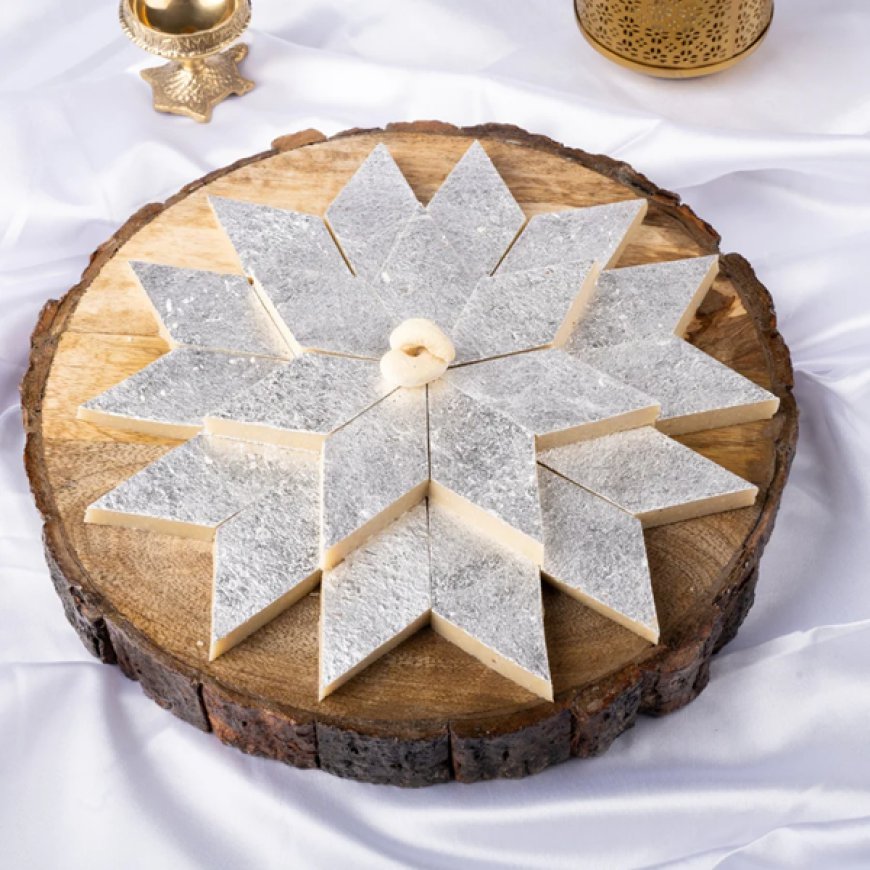
Dry fruit mithai has always held a special place in traditional celebrations and festive gifting. From weddings to festivals, these sweets are appreciated for their rich taste, premium ingredients, and long shelf life. However, not all dry fruit sweets offer the same level of quality. The taste, texture, freshness, and nutritional value depend on several important factors. Understanding what determines high-quality dry fruit mithai can help buyers make better choices and enjoy authentic flavors that truly represent traditional Indian confectionery.
1. Quality of Dry Fruits Used
The foundation of any good dry fruit mithai lies in the quality of the nuts used. Premium varieties of cashews, almonds, pistachios, and figs create a smoother texture and richer flavor. Low-grade or stale nuts can significantly reduce taste and nutritional value.
For example, authentic kaju katli sweets require high-quality cashews that are fresh, naturally sweet, and properly stored. If the cashews are old or over-processed, the final mithai can taste bitter or develop a grainy texture.
Manufacturers who prioritize carefully sourced ingredients often produce kaju katli sweets with a smoother consistency, natural aroma, and balanced sweetness.
2. Freshness of Ingredients
Freshness plays a major role in the taste and shelf life of dry fruit sweets. Dry fruits can lose their natural oils and flavor if stored improperly for long periods. Fresh ingredients ensure that the mithai retains its rich aroma and soft texture.
When preparing premium kaju katli sweets, fresh cashews are finely ground and cooked at the right temperature. This process preserves the nutty flavor and helps maintain the traditional melt-in-the-mouth texture that many people love.
3. Ratio of Ingredients
Another important factor affecting the quality of dry fruit mithai is the ingredient ratio. The balance between dry fruits, sweeteners, and binding ingredients determines both flavor and texture.
High-quality kaju katli sweets usually contain a larger proportion of cashews compared to sugar. When sugar content is too high, it can overpower the natural nut flavor and make the sweet overly sugary.
A well-balanced recipe allows the natural richness of the nuts to shine while maintaining the traditional sweetness expected from Indian mithai.
4. Preparation Technique
Traditional preparation methods significantly influence the final quality of dry fruit mithai. Skilled confectioners carefully control heat, mixing, and cooking time to achieve the ideal texture.
Overcooking the mixture can make sweets hard and dry, while undercooking may lead to a sticky consistency. In high-quality mithai production, the mixture is cooked slowly and evenly to preserve flavor and maintain a smooth finish.
5. Texture and Consistency
Texture is one of the easiest ways to identify premium dry fruit mithai. Good mithai should be soft, smooth, and easy to bite. Grainy or excessively hard sweets often indicate poor processing or low-quality ingredients.
In well-made dry fruit sweets, the nuts are finely ground and blended properly to create a uniform texture. This consistency ensures that every bite delivers the same rich flavor.
6. Use of Natural Sweeteners
Modern consumers are becoming more health conscious, and the choice of sweeteners plays a role in the overall quality of mithai. Traditional recipes use sugar in controlled quantities, but many premium brands now experiment with alternatives like jaggery or natural sweeteners.
Using high-quality sweeteners not only improves taste but can also make the mithai more appealing to health-focused buyers.
7. Hygiene and Food Safety Standards
Food safety is a crucial factor when evaluating the quality of any sweet. Clean preparation environments, proper handling of ingredients, and hygienic packaging help maintain freshness and prevent contamination.
Reputed mithai makers follow strict hygiene standards during production and storage. This ensures the sweets remain safe to consume and maintain their intended flavor.
8. Packaging and Storage
Packaging plays a significant role in preserving the freshness of dry fruit mithai. Airtight containers help protect the sweets from moisture, air, and external odors that could affect taste.
High-quality packaging also extends shelf life and maintains texture during transportation or gifting.
9. Authentic Flavor Profile
Authenticity is another indicator of premium dry fruit mithai. Traditional sweets are known for their rich nut flavor rather than excessive sweetness or artificial taste.
When mithai is prepared using traditional methods and quality ingredients, it delivers a balanced flavor that reflects authentic Indian confectionery.
Conclusion
The quality of dry fruit mithai depends on several factors, including ingredient quality, freshness, preparation methods, and hygiene standards. Premium nuts, balanced recipes, and traditional cooking techniques all contribute to better taste and texture. By understanding these key factors, buyers can easily identify high-quality sweets that deliver authentic flavor, better nutrition, and a more satisfying festive experience.