KSA Cyber Safety Laws in Data Facility Design
 expnadeem
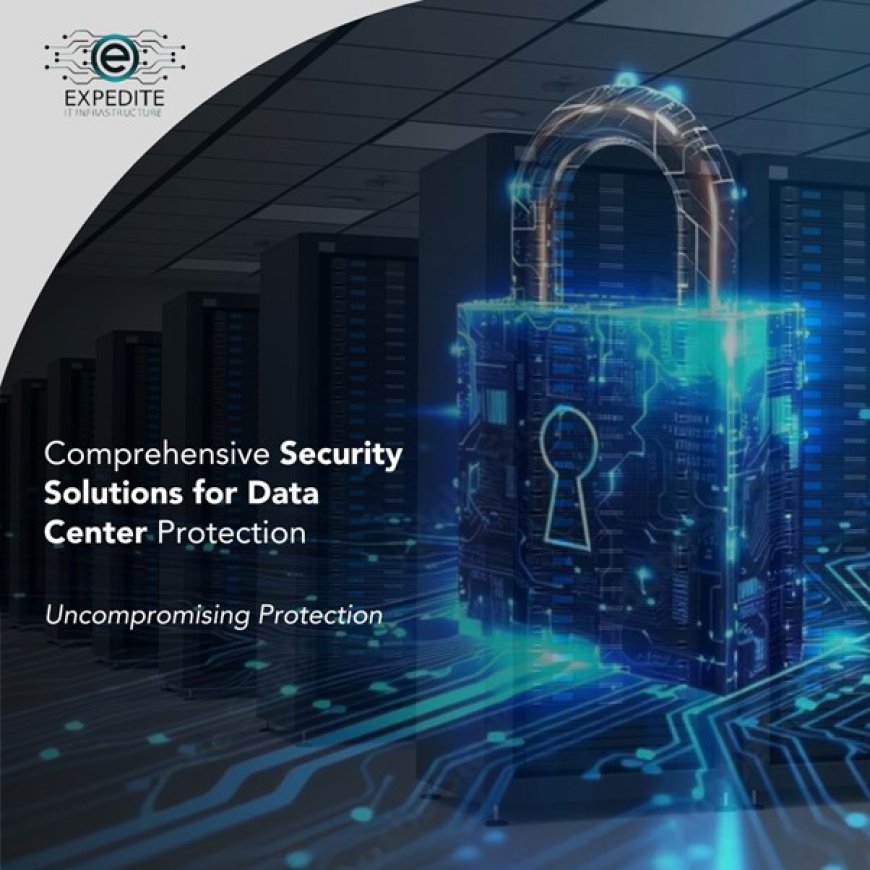
The KSA is now an international hub for cloud infrastructure, digital services, as well as mission-critical data hosting. As the threat to cyber security increases the regulatory authorities are pushing for cybersecurity laws that affect the way data centers are planned to be constructed, operated and maintained. Modern data centers need to be aligned to national guidelines while providing security across all levels. From physical security to electronic security, data center security is now a fundamental necessity rather than an extra element for KSA Data Facility design.
Regulatory Influence on Data Center Security Design
KSA cybersecurity laws are focused on integrity, confidentiality, as well as the availability of the data. These fundamentals directly influence data center security policies that require data centers to adopt layered security strategies. Design that is based on compliance ensures security against security threats from cyberspace, unauthorised access as well as operational interruptions.
Security-by-design requires that physical, security measures, as well as administrative ones are implemented from the planning phase, rather than being added later.
Physical Protection and Access Control Measures
Physical security is the primary security line. Data center access control guarantees that only authorized individuals are able to access restricted areas. Multi-factor authentication in conjunction along with data center biometric security substantially reduces the threat from insiders.
Perimeter security is just as important. Data center perimeter security incorporates fencing as well as controlled entry points and gates that are monitored to stop unauthorised access. This creates a safe perimeter before people enter the sensitive zones.
Surveillance and Intrusion Detection Systems
To guarantee compliance and stop threats, ongoing monitoring is essential. All zones are monitored in real time by data centre surveillance systems.
This allows quick response to suspicious activities. HD cameras as well as intelligent analytics help gather evidence and support auditory audits for regulatory purposes.
As a complement to security, data center intrusion detection systems detect abnormal behaviours on the network or in physical space. The solutions alert you whenever unintentional movement or system irregularities are discovered and provide an active security monitoring.
Network and Cybersecurity Architecture
Beyond physical form, KSA laws emphasize strong protections for data. Data Center Firewalls serve as a wall between networks within the network and threats from outside, while network security for data centers assures that data flow is controlled and separated.
Data that contains sensitive information should be secured in all circumstances. Data center secure encryption ensures the security of data during its transport and while in storage which reduces the possibility of data leaks and unauthorised intercept. The encryption standards are aligned with cybersecurity guidelines of the nation and best practices globally
Threat Detection and Risk Mitigation
Modern businesses rely on sophisticated system for continual risk assessment Data center threat detection tools look at data from access logs, network traffic as well as system behaviour to spot potential threats early. This information allows security personnel to intervene before attacks escalate to large-scale interruptions.
Monitoring platforms integrated with monitoring ensures alignment to Data Center Security Policies and ensure consistent compliance throughout all layers of operation.
Compliance-Driven Security Governance
KSA Cyber safety laws require data centers to keep written policies, periodic reviews and crisis responses plans. Frameworks for governance ensure accountability as well as constant improvement of security measures. The compliance requirement is not just a legal requirement, it's can also be a factor of trust for both stakeholders and clients.
Conclusion
KSA Cyber safety laws play an important influence on the design of robust and secure design of data facilities. Incorporating data center security in every layer, companies will be able to comply with regulatory standards while securing important assets. The robust data center access control, data center perimeter security and data center security create strong physical security. The latest data center firewalls, data center encryption and network security to data centers safeguard digital environments. through an active data center security detection and clearly-defined data center security policy and procedures, data centers within the KSA will be able to meet compliance requirements with operational continuities, as well as longer-term confidence.
FAQs
1. What are the reasons why KSA cybersecurity laws crucial to the design of data centers?
They guarantee the security of sensitive information and safeguard from physical and cyber dangers.
2. What role can Data Center Access Control play to ensure compliance?
It limits access only to only authorized individuals, thus reducing security risks associated with unauthorised access.
3. Does the Data Center Biometric Security obligatory for the KSA?
While it is not a requirement but strongly suggested for environments with high security.
4. What does Data Center Encryption support regulatory conformity?
It ensures the confidentiality of data and stops unauthorized disclosure of data.
5. What's the point to Data Center’s Threat Detection Systems?
They detect and reduce the threat of physical and cyber-attacks immediately.
For more information contact us on:
Expedite IT
+966 502104086
Office No 01, Conference Building (Kirnaf Finance), Abi Tahir Al Dhahabi Street, Al Mutamarat,
Riyadh 12711, Saudi Arabia
Or click on the below link for more information:
https://www.expediteiot.com/data-center-perimeter-security-in-saudi-arabia/