Marine Propeller Shaft Anodes: Prevent Costly Damage
Marine propeller shaft anodes prevent corrosion, extend shaft life, and reduce costly repairs, providing essential protection for boat owners and operators.
 MarineControlSL
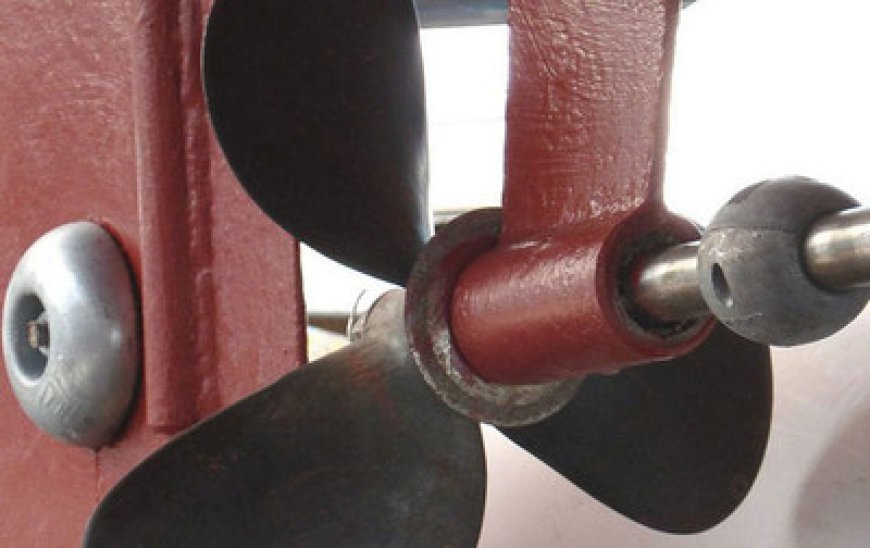
Marine propeller shaft anodes are one of the simplest yet most critical components for protecting your vessel from corrosion. They work by sacrificing themselves to prevent electrochemical damage to expensive metal parts like shafts, propellers, and nearby hardware. For boat owners, commercial operators, and repair professionals, using the right anode can mean the difference between smooth operation and costly downtime. In our experience at Marine Control SL, vessels without properly maintained shaft anodes often show early signs of pitting and wear—especially in high-salinity waters like the Mediterranean. Choosing the right material, size, and maintenance schedule ensures long-term performance and reduces unexpected repair costs.
What Are Marine Propeller Shaft Anodes?
Marine propeller shaft anodes are protective metal rings installed directly onto a vessel’s propeller shaft. Their primary purpose is to prevent galvanic corrosion, a natural process that occurs when different metals are exposed to seawater. The anode, typically made of zinc, aluminum, or magnesium, corrodes first—protecting the more valuable components.
In practical terms, these anodes act as a “shield” for your propulsion system. We’ve seen cases where a properly installed anode extended shaft life by years, especially on vessels operating continuously. Without this protection, even high-grade stainless steel shafts can suffer damage over time. For operators managing multiple vessels, this small component plays a big role in maintaining fleet reliability and reducing maintenance frequency.
Why Shaft Anodes Are Essential for Marine Equipment?
Corrosion in marine environments is relentless. Saltwater, electrical currents, and dissimilar metals create the perfect conditions for rapid deterioration. Marine propeller shaft anodes directly address this issue by redirecting corrosive activity away from critical components.
From our hands-on work with commercial fleets, we’ve observed that neglected anodes often lead to expensive issues such as shaft scoring, propeller imbalance, and even bearing damage. This is particularly important when paired with components like cutlass bearings, where corrosion can accelerate wear and reduce alignment accuracy. Ensuring consistent anode protection not only preserves the shaft but also supports the performance of surrounding systems.
Choosing the Right Anode Material
Not all anodes perform the same, and selecting the correct material depends heavily on water conditions and vessel usage. Understanding these differences is essential for effective protection.
-
Zinc anodes: Best for saltwater environments; widely used and cost-effective
-
Aluminum anodes: Suitable for both salt and brackish water; longer-lasting
-
Magnesium anodes: Ideal for freshwater applications; highly active
In our experience, aluminum anodes are becoming increasingly popular due to their versatility and environmental efficiency. However, many operators still rely on zinc for its proven reliability in open sea conditions. Marine Control SL typically advises clients based on their exact operating environment rather than a one-size-fits-all approach.
Installation and Maintenance Best Practices
Installing shaft anodes correctly is just as important as choosing the right type. A poorly fitted anode won’t provide effective protection and may even loosen during operation. The anode must have solid electrical contact with the shaft and be securely tightened. Routine inspection is key. We recommend checking anodes every 2–3 months, depending on usage. In high-activity vessels, faster degradation is normal and expected. We’ve seen this work best when maintenance teams include anode checks alongside regular propulsion system inspections, including components like cutlass bearings.
Additionally, operators using specialized services such as Ropestripper Service Palma should ensure that all shaft-mounted equipment works in harmony. Any imbalance or interference can reduce the effectiveness of corrosion protection and impact overall system performance.
Common Mistakes to Avoid
Even experienced operators sometimes overlook key details when managing shaft anodes. Avoiding these mistakes can significantly improve protection and extend equipment life.
One common issue is mixing incompatible metals, which can actually accelerate corrosion instead of preventing it. Another is ignoring partial wear—anodes don’t need to be fully depleted before replacement. In fact, waiting too long often exposes the shaft to damage. We’ve also encountered vessels where anodes were painted over during maintenance. This completely blocks their function. In our experience, ensuring clean, exposed metal contact is one of the simplest yet most overlooked steps in proper installation.
How Shaft Anodes Support Overall Vessel Efficiency?
While their primary role is protection, shaft anodes also contribute indirectly to vessel efficiency. A corrosion-free shaft maintains better hydrodynamic performance, reducing drag and improving fuel efficiency. From a commercial perspective, this translates into measurable savings over time. Operators who maintain their anodes consistently often report fewer propulsion issues and more predictable maintenance schedules. Marine Control SL has worked with clients who reduced unexpected shaft repairs simply by implementing structured anode replacement plans.
When combined with well-maintained propulsion components and services like Ropestripper Service Palma, the result is a smoother, more reliable vessel operation.
Conclusion
Marine propeller shaft anodes may seem like a small component, but their impact on vessel longevity and performance is significant. From preventing corrosion to supporting overall system efficiency, they are a critical part of any marine maintenance strategy.
In our experience, consistent monitoring and the right material choice make all the difference. Marine Control SL continues to work closely with vessel owners and operators to ensure reliable protection solutions that align with real-world operating conditions—helping fleets stay operational, efficient, and protected over the long term.
FAQs
How often should marine shaft anodes be replaced?
Most shaft anodes should be inspected every 2–3 months and replaced when they are about 50% consumed. High-usage vessels may require more frequent checks.
What happens if I don’t use shaft anodes?
Without anodes, galvanic corrosion will target your propeller shaft and nearby components, leading to expensive repairs and reduced lifespan.
Which material is best for marine propeller shaft anodes?
Zinc is best for saltwater, aluminum works well in mixed conditions, and magnesium is ideal for freshwater environments.
Can shaft anodes affect performance?
Yes, indirectly. A well-protected shaft reduces drag and maintains alignment, improving overall vessel efficiency.
Do shaft anodes work with all propulsion systems?
They are compatible with most systems, but correct sizing and installation are essential for effectiveness.
We have more services such as:
Rubber Expansion Joints for Boats
Cathodic Protection Anodes for Yachts
Marine Corrosion Protection Supplies
Shaft Protection Systems for Boats