Maximizing Motor Efficiency Through Variable Speed Control
 lina
lina
Motor-driven systems are the backbone of modern industrial operations, powering equipment such as pumps, fans, compressors, conveyors, and manufacturing machinery. As industries seek greater productivity and energy efficiency, variable speed control has emerged as a highly effective solution for optimizing motor performance. Traditional motor systems often operate at fixed speeds regardless of actual demand, leading to energy waste and unnecessary wear. Variable speed control enables motors to adjust their output according to operational requirements, improving efficiency and reliability. By leveraging advanced control technologies, organizations can reduce energy consumption, enhance process precision, and maximize equipment lifespan.
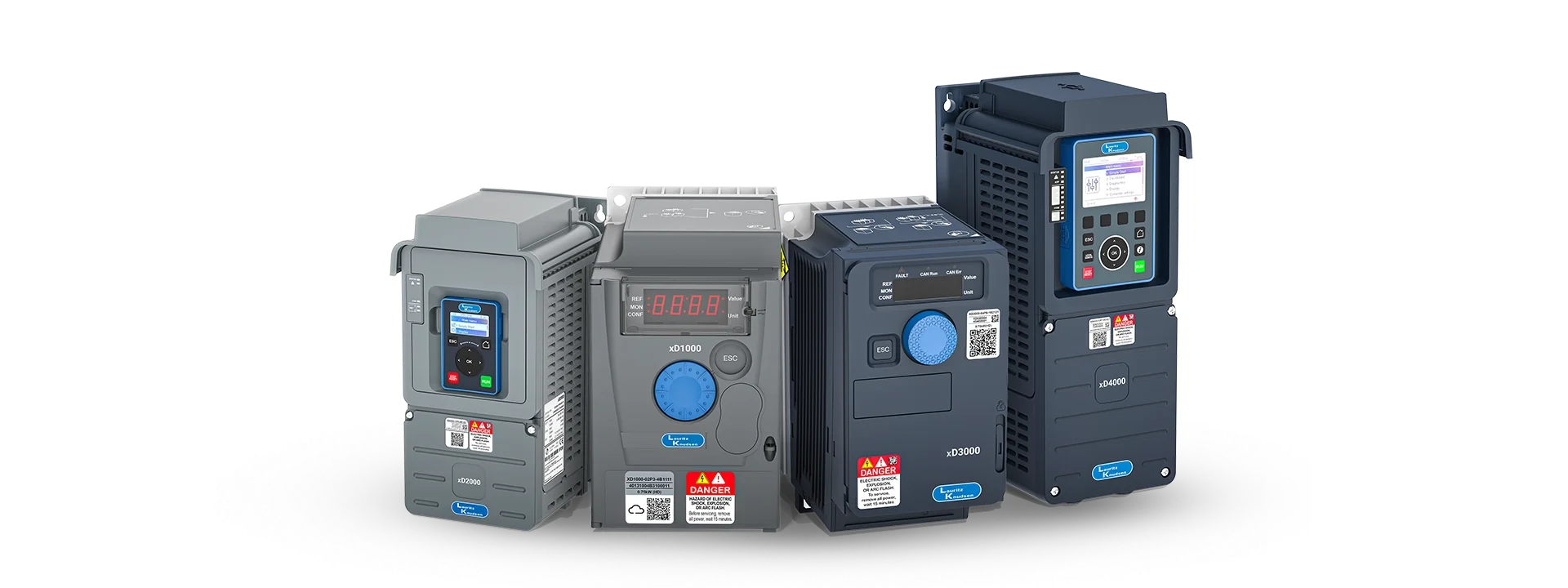
Understanding Variable Speed Control
Variable speed control refers to the ability to adjust a motor’s operating speed based on the specific demands of an application. Instead of running continuously at full speed, motors can operate at the most efficient level required for the task.
This approach offers several advantages:
- Reduced energy consumption
- Improved process control
- Lower mechanical stress
- Enhanced equipment lifespan
- Increased operational flexibility
As energy costs continue to rise and sustainability becomes a priority, variable speed control has become an essential strategy for modern industrial facilities.
Why Motor Efficiency Matters
Electric motors account for a significant portion of energy consumption in industrial environments. Even small improvements in efficiency can generate substantial savings over time.
- Lower Operating Costs
Efficient motor operation reduces electricity consumption and helps organizations manage energy expenses.
- Improved Equipment Reliability
Motors operating within optimal conditions experience less wear and require fewer repairs.
- Reduced Environmental Impact
Lower energy usage contributes to reduced carbon emissions and supports sustainability goals.
- Enhanced Productivity
Efficient systems often deliver more consistent performance and better process outcomes.
Maximizing motor efficiency is therefore both an economic and operational priority.
The Role of AC Drives in Variable Speed Control
One of the most effective technologies for improving motor efficiency is the AC drive. These devices regulate motor speed by controlling the frequency and voltage supplied to the motor.
- Precise Speed Regulation
An AC drive allows motors to operate at speeds that match actual process requirements rather than running continuously at maximum capacity.
- Energy Savings
Reducing motor speed when full output is not required can significantly lower energy consumption.
- Improved Process Control
Variable speed operation enables greater precision in industrial processes, improving product quality and consistency.
- Reduced Mechanical Stress
Gradual acceleration and deceleration help minimize wear on motors and connected equipment.
These capabilities make AC drives a valuable component of modern motor control systems.
Applications of Variable Speed Control
Variable speed technology is widely used across various industries and applications.
- Pumping Systems
Flow rates can be adjusted according to demand, reducing energy waste and improving efficiency.
- Fans and Ventilation
Airflow can be controlled more accurately, leading to significant energy savings.
- Conveyor Systems
Variable speeds support flexible production processes and improved material handling.
- Compressors
Speed adjustment helps maintain consistent pressure while reducing power consumption.
In each of these applications, variable speed control enhances both performance and efficiency.
Improving Process Precision
Modern industries require increasingly precise control over their operations. Variable speed systems support this objective by enabling accurate adjustments to motor performance.
- Better Production Quality
Consistent motor control contributes to uniform production processes and improved product quality.
- Greater Operational Flexibility
Operators can quickly adjust system performance to accommodate changing requirements.
- Enhanced Automation
Variable speed systems integrate seamlessly with automated control platforms.
- Reduced Process Variability
Precise speed control minimizes fluctuations that could affect production outcomes.
These advantages help organizations improve efficiency while maintaining high standards of quality.
The Importance of Human Machine Interfaces
As motor control systems become more advanced, effective interaction between operators and equipment becomes increasingly important.
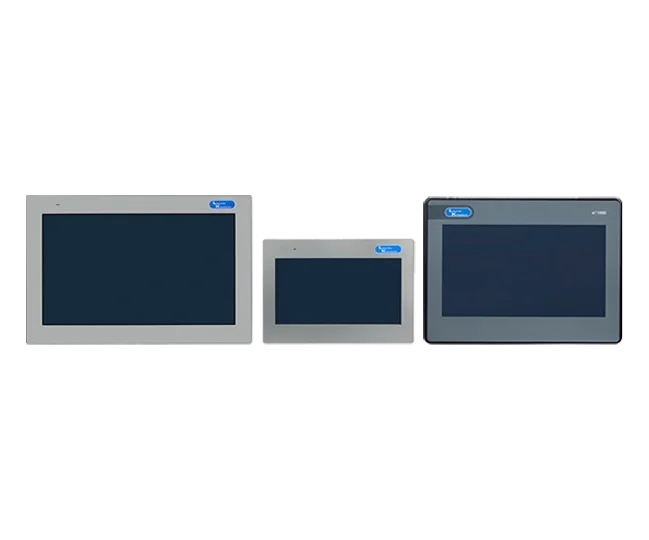
A human machine interface provides a visual and interactive platform that allows operators to monitor and control system performance.
- Simplified Operation
A human machine interface presents key information in an easy-to-understand format, improving usability.
- Real-Time Monitoring
Operators can view system status, performance metrics, and alarms instantly.
- Faster Decision-Making
Access to accurate operational data supports quicker responses to changing conditions.
- Improved Productivity
User-friendly interfaces reduce complexity and enhance overall operational efficiency.
These features make HMIs an essential part of modern motor control systems.
Energy Efficiency Benefits of Variable Speed Control
Energy efficiency is one of the primary reasons organizations adopt variable speed technologies.
- Reduced Power Consumption
Motors only consume the energy required for the task being performed.
- Lower Peak Demand
Variable speed operation helps reduce electrical demand spikes.
- Improved System Optimization
Control systems can continuously adjust performance for maximum efficiency.
- Long-Term Cost Savings
Reduced energy usage contributes to lower operating expenses throughout the equipment lifecycle.
The combination of efficient motor operation and intelligent control delivers measurable financial benefits.
Enhancing Equipment Lifespan
Motor systems experience significant stress during startup, shutdown, and continuous operation. Variable speed control helps reduce these stresses and improve equipment longevity.
- Smooth Motor Starting
Controlled acceleration reduces inrush current and mechanical shock.
- Reduced Wear and Tear
Operating at optimal speeds minimizes strain on motors, bearings, and connected machinery.
- Lower Maintenance Requirements
Less stress often results in fewer repairs and reduced maintenance costs.
- Improved Reliability
Equipment that operates within recommended parameters generally performs more consistently over time.
These benefits support greater asset utilization and improved operational continuity.
Integration with Smart Industrial Systems
The rise of Industry 4.0 has accelerated the adoption of intelligent motor control technologies.
- Connected Operations
Variable speed systems can communicate with broader automation and monitoring platforms.
- Advanced Analytics
Performance data provides valuable insights into operational trends and equipment health.
- Predictive Maintenance
Continuous monitoring helps identify developing issues before failures occur.
- Remote Accessibility
Operators can monitor and manage systems from centralized control locations.
A modern human machine interface plays a key role in providing access to this information and supporting smarter decision-making.
Future Trends in Motor Control Technology
Motor control systems continue to evolve as industries pursue greater efficiency and digital integration.
Emerging trends include:
- Artificial Intelligence
AI-driven systems can optimize motor performance automatically based on operating conditions.
- Industrial Internet of Things
Connected devices provide real-time visibility and enhanced control capabilities.
- Cloud-Based Monitoring
Remote data access improves maintenance planning and operational oversight.
- Advanced Energy Management
Integrated systems help organizations achieve more effective energy optimization.
As these technologies continue to develop, the capabilities of the AC drive will become even more sophisticated and valuable.
Best Practices for Maximizing Motor Efficiency
Organizations seeking to improve motor performance should consider several best practices:
- Conduct regular system assessments
- Monitor energy consumption continuously
- Implement predictive maintenance strategies
- Optimize motor sizing and selection
- Integrate advanced control technologies
- Train operators on system functionality
These measures help ensure that motor systems operate efficiently and reliably over the long term.
Conclusion
Variable speed control has become a cornerstone of modern motor management, enabling organizations to improve efficiency, reduce energy consumption, and enhance operational performance. By matching motor output to actual process requirements, advanced technologies deliver significant benefits in reliability, productivity, and sustainability. Solutions such as the AC drive and an intuitive human machine interface provide the control, visibility, and flexibility needed for efficient motor operation. As industries continue to embrace automation and digital transformation, Lauritz Knudsen Electrical & Automation remains committed to supporting innovative, reliable, and future-ready solutions that help maximize motor efficiency and operational excellence.




![Cert IV Kitchen Management: best kitchen course in Australia [2026]](https://postr.yruz.one/uploads/images/202602/image_430x256_699e95566ede6.jpg)