Melasma Treatment Tips for Acne-Prone Skin
 anoushasyed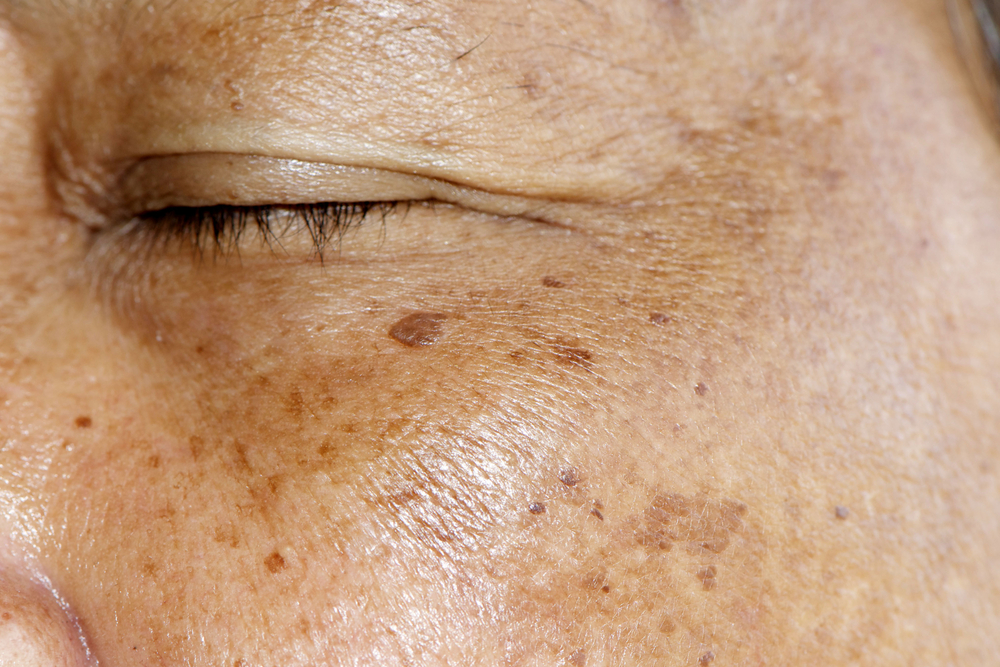
Melasma is a common skin condition characterized by dark patches that often appear on the face. For individuals with acne-prone skin, treating melasma requires a careful approach that balances addressing pigmentation while managing acne. Understanding Melasma Treatment in Dubai how to navigate these dual skin concerns can help maintain healthier, clearer skin.
Understanding Melasma and Acne-Prone Skin
Acne-prone skin is typically more sensitive and reactive, making the management of melasma slightly more complex. Factors such as excess oil production, clogged pores, and inflammation can influence both acne and hyperpigmentation. Recognizing the skin’s unique needs is essential for effective treatment.
Melasma develops due to overactive melanocytes producing excess pigment. In acne-prone skin, post-inflammatory hyperpigmentation often worsens melasma, making it more noticeable. Treatments for melasma must be gentle enough to avoid aggravating acne yet effective in lightening pigmentation.
Gentle Cleansing for Dual Skin Concerns
Cleansing is a fundamental step in managing melasma on acne-prone skin. Using gentle cleansers that remove excess oil without stripping the skin helps maintain balance. Over-cleansing or harsh scrubbing can increase inflammation, worsen acne, and trigger more pigmentation.
Cleansing should be done twice daily with lukewarm water. Avoid cleansers with strong exfoliating beads or aggressive acids. Maintaining a clean surface supports the skin’s natural healing process and enhances the effectiveness of subsequent treatments.
Targeted Treatments for Pigmentation
Effective melasma treatment for acne-prone skin often includes targeted topical therapies. Ingredients that focus on pigmentation without aggravating acne can help even skin tone gradually. These treatments work best when combined with consistent sun protection and a gentle skincare routine.
Applying treatments in thin layers and focusing on affected areas can prevent excessive irritation. Regular use over several weeks or months is necessary for noticeable results. Patience and consistency are key in achieving smoother, more even-toned skin.
Managing Acne While Treating Melasma
Balancing acne management with melasma treatment is crucial. Certain acne-fighting ingredients can irritate sensitive areas or darken hyperpigmentation if used incorrectly. Therefore, using gentle formulations and avoiding harsh combinations helps prevent flare-ups.
Non-comedogenic moisturizers and lightweight formulations keep the skin hydrated without clogging pores. Incorporating ingredients that calm inflammation supports both acne and pigmentation management simultaneously.
Sun Protection Strategies
Although melasma treatment tips for acne-prone skin focus on active therapies, protecting the skin from UV exposure is critical. Sunlight triggers melanocyte activity, worsening pigmentation. Daily sun protection prevents new dark spots and supports the effectiveness of treatments.
Protective measures such as wearing wide-brimmed hats and avoiding prolonged sun exposure during peak hours complement topical measures. Integrating these habits ensures long-term improvement and maintains skin health.
Gentle Exfoliation for Acne-Prone Skin
Exfoliation helps remove dead skin cells, promoting cell turnover and improving the appearance of melasma. For acne-prone skin, mild chemical exfoliants work better than physical scrubs, which can cause microtears and inflammation.
Introducing exfoliation gradually ensures the skin adjusts without excessive irritation. Targeting areas with pigmentation while avoiding active breakouts can provide smoother, brighter skin over time.
Consistent Moisturization
Even acne-prone skin needs proper hydration. Consistent moisturization helps maintain the skin barrier, reducing sensitivity and minimizing acne flare-ups. Lightweight, non-greasy moisturizers support treatments without interfering with acne control.
Moisturizing before or after targeted pigmentation treatments can help reduce potential irritation and make treatments more tolerable. Hydration also supports overall skin resilience, enhancing its natural repair mechanisms.
Monitoring Skin Response
Observing how acne-prone skin reacts to melasma treatments is essential. Keeping track of changes in pigmentation, acne activity, and overall skin texture helps adjust the routine for optimal results.
If irritation or breakouts increase, scaling back treatment frequency or adjusting formulations can prevent setbacks. A careful, attentive approach ensures progress without triggering new skin concerns.
FAQs
What is the best approach for acne-prone skin with melasma?
The best approach involves a combination of gentle cleansing, targeted pigmentation treatments, acne management, consistent moisturization, and sun protection. Patience and consistent care are crucial.

Can acne treatments worsen melasma?
Certain strong acne treatments may irritate the skin and increase post-inflammatory pigmentation. Using gentle formulations and monitoring the skin’s response helps prevent worsening of melasma.
How long does it take to see results?
Results vary depending on the severity of melasma and the consistency of the treatment routine. Typically, gradual improvements are noticeable within several weeks to months.
Are there special precautions for sensitive areas?
Yes. Avoid harsh treatments on areas with active breakouts or highly sensitive skin. Applying treatments sparingly and monitoring reactions prevents over-irritation.
Can lifestyle changes support melasma treatment?
Healthy habits such as adequate hydration, balanced nutrition, and limiting sun exposure can support skin health and improve treatment outcomes.
Book Us
For individuals seeking professional guidance, Enfield Royal Clinic Dubai offers personalized consultation for managing melasma on acne-prone skin. The clinic provides tailored treatment plans that balance pigmentation reduction with acne control, ensuring safe and effective results.
By combining gentle care, targeted treatments, and preventive measures, acne-prone individuals can manage melasma effectively while maintaining clearer, healthier skin. Consistency, patience, and attentiveness are key to achieving lasting results.