How Mobile Windshield Replacement Works: Step-by-Step
Mobile windshield replacement, and once you understand the actual steps involved, it stops feeling like some mystery process happening under a van's tailgate.
 carloveglass
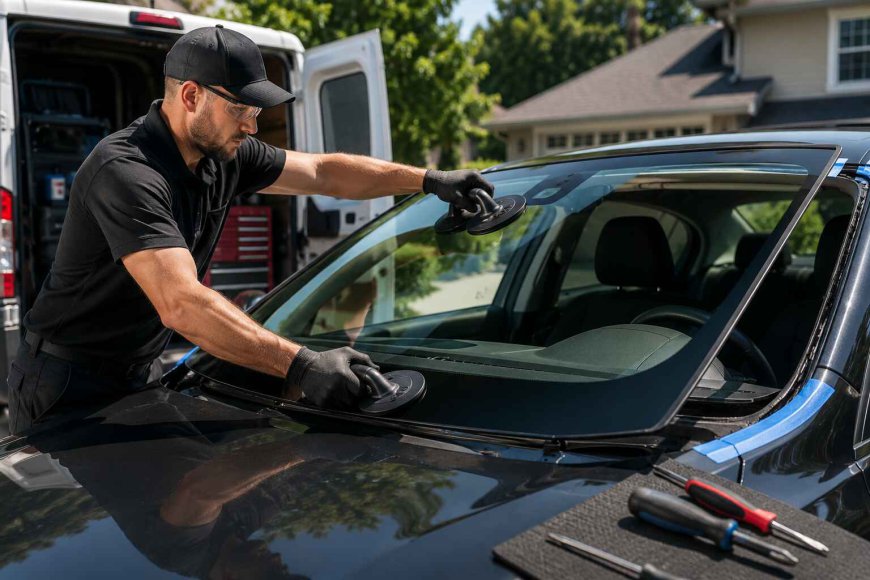
Somebody asks you to picture a windshield job and most people imagine sitting in an uncomfortable waiting room chair for three hours flipping through a two-year-old magazine. That's not how it has to go anymore. A technician can show up at your house, your office parking lot, or even the curb outside your kid's soccer practice and swap your glass while you go on with your day. That's the whole point of mobile windshield replacement, and once you understand the actual steps involved, it stops feeling like some mystery process happening under a van's tailgate.
I've done this job enough times that I can tell you exactly what happens from the moment you book to the moment you're cleared to drive off. Let's go through it.
What Mobile Windshield Replacement Actually Means
At its core, this kind of service is exactly what it sounds like: a technician brings the tools, the glass, and the equipment to you instead of you dragging your car to a shop. The work itself isn't watered down or rushed just because it happens outside a building. The same adhesive, the same OEM-quality glass, and the same calibration equipment used in a shop bay gets loaded into a van and brought straight to your location.
What changes is convenience, not quality. You're not stuck arranging a ride to and from a shop, and you're not burning half your Saturday sitting around. The technician works around your schedule instead of the other way around.
Step-by-Step: What Happens on Appointment Day
Step 1: Booking and Confirming Your Glass
Before a van ever pulls into your driveway, someone confirms the make, model, and year of your vehicle, along with whether your windshield has any special features like a rain sensor, heads-up display, or forward-facing camera for driver assistance systems. This matters because ordering the wrong glass means a wasted trip, and nobody wants that.
Step 2: The Technician Arrives and Inspects the Vehicle
Once we pull up, the first thing that happens is a walk-around inspection. We check for existing chips or scratches nearby, note the condition of the trim and cowl panel, and confirm the correct replacement glass matches what's already ordered. This protects both you and the technician, since it's on record what the vehicle looked like before any work started.
Step 3: Removing the Old Windshield
The old glass gets carefully cut away from the urethane adhesive holding it in place using a cold knife or a wire-out tool. This part takes patience. Rushing it risks scratching the paint around the frame or damaging trim pieces that are sometimes brittle, especially on older vehicles that have been baking in the sun for a decade.
Step 4: Prepping the Frame and Setting the New Glass
Once the old windshield is out, the frame gets cleaned down to bare metal or existing primer, and a fresh bead of urethane adhesive gets applied around the perimeter. The new glass then gets set into place and pressed down evenly so the adhesive seals properly all the way around. Any gap here, even a small one, can turn into a water leak or wind noise a few months down the road.
Step 5: Curing Time and ADAS Recalibration
This is the step people forget about. Urethane adhesive needs time to cure before the car is safe to drive, since the windshield is actually a structural part of your vehicle's frame. Depending on the product used, safe drive-away time can range from about thirty minutes to a couple of hours. If your vehicle has a forward-facing camera tied into lane departure warnings or automatic braking, ADAS recalibration typically happens after the glass is set, so those safety systems read the road correctly again.
How This Differs From Door Glass Replacement and Other Auto Glass Jobs
Windshields are bonded in with structural adhesive, which is why the curing step matters so much. Compare that to something like door glass replacement, where the glass slides into a rubber-lined track and connects to a window regulator instead of being glued into the frame. There's no cure time involved with that kind of repair, but there's more mechanical stuff that can go wrong, like a regulator cable or motor. If you're dealing with both a cracked windshield and a broken window on the same vehicle, a lot of shops, ours included, can handle both jobs in the same visit so you're not scheduling two separate appointments.
What You Should Do Before and After the Appointment
A few small things make the appointment go faster:
-
Park somewhere with enough clearance on both sides for the technician to open doors fully
-
Remove toll transponders, dash cams, or parking permits stuck to the old glass ahead of time
-
Avoid washing the car or using automatic car washes for at least 24 hours after the appointment, since high-pressure water can interfere with the adhesive cure
-
Mention any additional damage, like a broken window, so the technician can quote door glass replacement alongside the windshield if needed
-
Leave a window cracked slightly if instructed, since sudden air pressure changes (like slamming a door) can shift the glass before the adhesive fully sets
Is Mobile Service Actually as Good as an In-Shop Repair?
Short answer: yes, assuming the technician is certified and using proper adhesive and calibration equipment. The location doesn't determine quality, the process does. What you want to check before booking is whether the company uses OEM or OEM-equivalent glass, whether they handle ADAS recalibration in-house or send you elsewhere, and whether they offer any kind of workmanship warranty. The National Highway Traffic Safety Administration has published guidance on windshield safety standards if you want to understand why proper installation matters so much for a vehicle's structural integrity.
If you want to see how a real appointment gets scheduled, you can book mobile windshield replacement online and pick a time that fits your day instead of rearranging your whole schedule around a shop's hours.
Conclusion
Mobile windshield replacement isn't some shortcut version of the real thing, it's the same careful process just brought to your driveway instead of a shop bay. From confirming the right glass to setting the adhesive to recalibrating safety cameras, every step matters just as much whether the work happens in a parking lot or a service bay. And if you've also got a busted window on top of a cracked windshield, most mobile providers can knock out both the windshield and a door glass replacement together, saving you a second appointment. Next time your windshield takes a hit, you don't have to clear your whole afternoon to deal with it.
FAQs
1. How long does mobile windshield replacement actually take?
Most appointments take about 45 minutes to an hour for the physical installation, plus curing time afterward before you can safely drive, which ranges from thirty minutes to a couple of hours depending on the adhesive used.
2. Can this kind of appointment happen in the rain?
Technicians generally avoid installing glass in active rain or high humidity since moisture interferes with adhesive bonding. Most companies will reschedule for weather rather than risk a poor seal.
3. Does bringing the technician to you cost more than going to a shop?
Not typically. Pricing is usually the same whether the technician comes to you or you drive to a shop, especially when insurance is covering the claim.
4. Can the same technician handle door glass replacement during the same visit?
Often yes. Since door glass replacement doesn't involve adhesive curing, a technician can frequently knock out both a windshield and a door glass repair in one appointment if both are scheduled together.
5. Do I need to be home during the appointment?
Not necessarily, as long as the technician has access to the vehicle and a way to reach you if there's a question about glass features or payment. Just make sure keys and clear access are arranged ahead of time.