Multicore Cables Benefits: Why They Simplify Electrical Installations | Tradewinds International
Discover the key benefits of multicore cables and how they simplify electrical installations, improve safety, and reduce costs.
 tradewindsinternational
 In today's fast-paced construction and industrial sectors, efficiency, safety, and reliability are critical factors in every electrical installation. Whether it's a commercial building, manufacturing facility, renewable energy project, or residential complex, choosing the right wiring solution can significantly impact performance and long-term maintenance costs.
One solution that has gained widespread popularity is the use of multicore cables. Designed to combine multiple conductors within a single protective sheath, these cables offer a practical alternative to running several individual wires separately. Understanding the multicore cables benefits can help contractors, engineers, and project managers optimize their electrical systems while reducing installation complexity.
This article explores why multicore cables have become a preferred choice in modern electrical infrastructure and how they contribute to safer, faster, and more cost-effective installations.
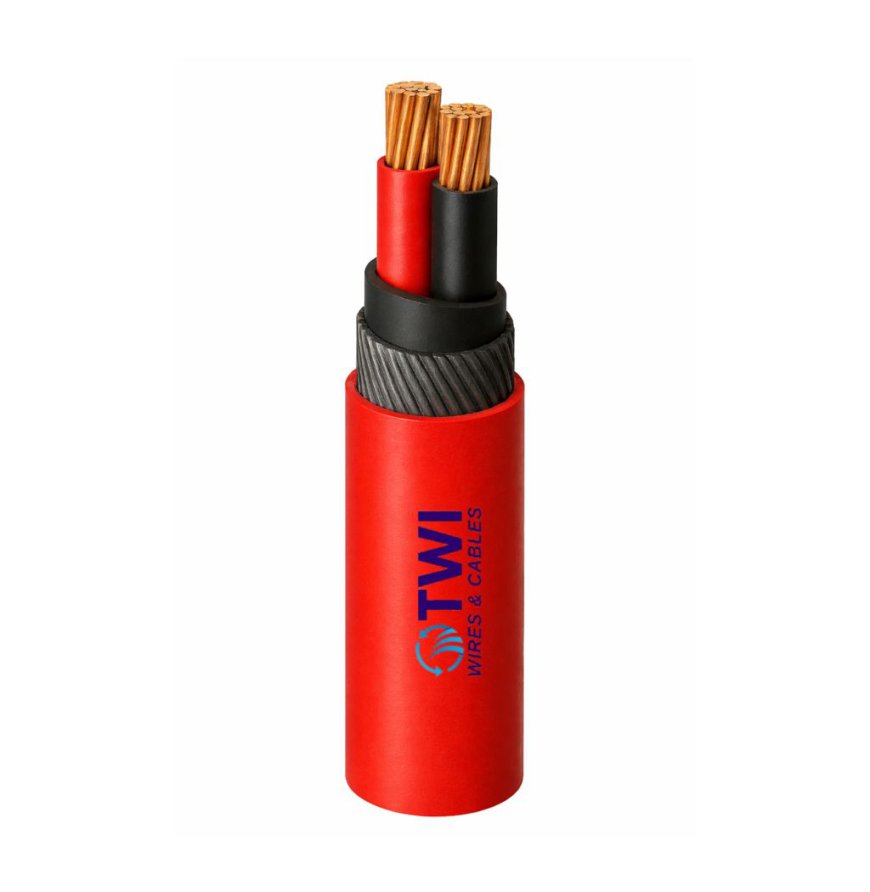
What Are Multicore Cables?
Multicore cables are electrical cables that contain two or more insulated conductors enclosed within a single outer jacket. They are commonly used in power distribution, control systems, instrumentation, automation, and communication networks.
Unlike single-core cables, multicore electrical cables allow multiple circuits or functions to be managed through a single cable assembly. This design simplifies installation and improves overall cable management.
Multicore Cables Benefits for Modern Electrical Installations
Reduced Installation Time and Labor Costs
One of the most significant benefits of multicore cables is their ability to streamline installation processes.
Instead of routing multiple individual cables through conduits, trays, or cable pathways, electricians can install a single multicore cable that serves several functions simultaneously. This reduces labor requirements, shortens project timelines, and minimizes installation errors.
For large industrial facilities and commercial buildings, this can result in substantial cost savings and improved project efficiency.
Improved Cable Management and Organization
Managing numerous individual cables can quickly become complicated, especially in environments with extensive electrical systems.
Multicore cables simplify cable management by consolidating multiple conductors into one organized unit. This reduces clutter in cable trays and control panels while making maintenance and troubleshooting easier.
Better organization also contributes to a cleaner and more professional installation, which is increasingly important in modern industrial and commercial projects.
Enhanced Safety and Reliability
Safety remains a top priority in every electrical installation.
Because multicore cables bundle conductors within a single protective sheath, they offer enhanced protection against environmental factors such as moisture, dust, chemicals, and mechanical damage. The outer jacket helps safeguard internal conductors from wear and accidental impacts.
Additionally, organized wiring reduces the likelihood of incorrect connections, which can lead to equipment failures or safety hazards.
How Multicore Cable Applications Support Industry Growth
Ideal for Industrial Automation Systems
As industries increasingly adopt automation technologies, the demand for reliable and efficient wiring systems continues to grow.
Multicore cable applications are particularly valuable in automated environments where sensors, control devices, motors, and communication systems require multiple signal and power connections. A single multicore cable can handle these requirements efficiently while reducing installation complexity.
This makes them an excellent choice for smart factories and Industry 4.0 initiatives.
Suitable for Renewable Energy Projects
Renewable energy installations such as solar and wind farms rely on extensive electrical networks.
Multicore cables help simplify connections between power generation equipment, monitoring systems, and control units. Their durability and space-saving design make them well-suited for outdoor and demanding operating environments.
As sustainability becomes a major industry focus, efficient electrical installation solutions are becoming increasingly important.
Space-Saving Advantages of Multicore Electrical Cables
Space constraints are common in modern construction and industrial facilities.
Using several individual cables often requires larger conduits, cable trays, and installation pathways. In contrast, multicore electrical cables reduce the overall cable footprint, helping maximize available space.
This advantage is particularly beneficial in:
Commercial Buildings
Office towers, shopping centers, and data centers often require complex electrical systems within limited utility spaces. Multicore cables help maintain efficient layouts while supporting high-performance electrical infrastructure.
Control Panels and Equipment Cabinets
Control systems frequently contain numerous electrical connections in compact spaces. By reducing cable congestion, multicore cables improve airflow, accessibility, and maintenance efficiency.
Cost Efficiency Throughout the Project Lifecycle
The advantages of multicore cables extend beyond initial installation.
Their robust construction and simplified design often lead to lower maintenance requirements over time. Troubleshooting becomes easier because technicians can identify cable routes more quickly, reducing downtime and repair costs.
Furthermore, fewer individual cable runs mean fewer components, connectors, and installation accessories, contributing to long-term cost savings.
Modern Trends Driving Demand for Multicore Cables
Several industry trends continue to increase the adoption of multicore cable systems:
- Growth of industrial automation and smart manufacturing.
- Expansion of renewable energy infrastructure.
- Increased demand for efficient cable management solutions.
- Rising focus on workplace safety and compliance.
- Development of compact electrical and control systems.
As electrical infrastructure becomes more sophisticated, businesses are seeking solutions that combine performance, reliability, and installation efficiency.
Conclusion
The many multicore cables benefits make them an essential component of modern electrical installations. From reducing labor costs and improving cable management to enhancing safety and supporting advanced automation systems, multicore cables offer practical advantages across a wide range of industries.
As construction, manufacturing, and renewable energy sectors continue to evolve, the demand for efficient and reliable electrical wiring systems will only increase. By choosing multicore electrical cables, businesses can simplify installations, optimize space utilization, and improve long-term operational performance.
At Tradewinds International, we understand the importance of quality materials and innovative solutions in modern infrastructure projects. Staying informed about evolving technologies like multicore cable systems helps businesses make smarter decisions that support efficiency, safety, and sustainable growth.