Online Credentials in 2026 Are Redefining Workforce Education
Discover how online credentials in 2026 are helping universities prepare students for evolving careers through flexible, skills-focused learning.
 clairemiller069
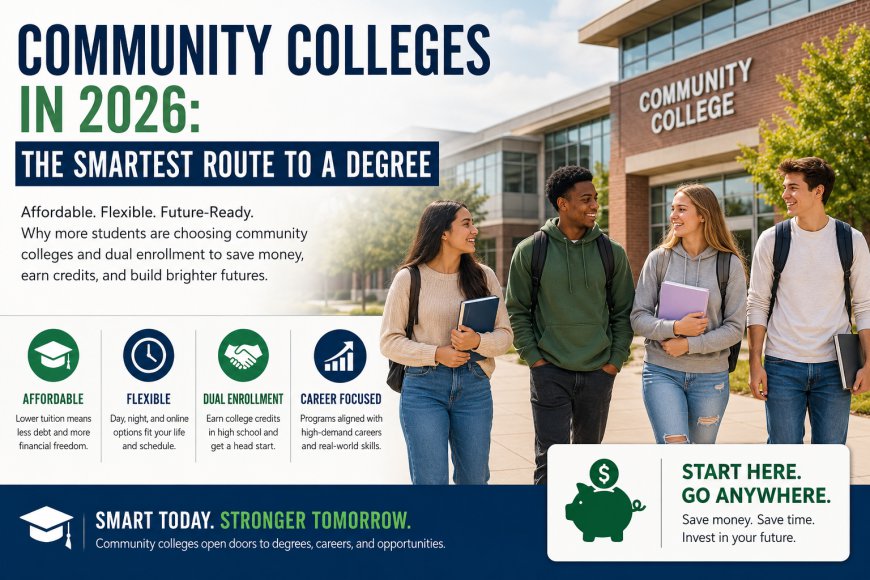
The connection between education and employment has never been stronger. Across the United States, universities are expanding online programs and short-term credentials to help students gain career-ready skills faster than traditional academic pathways often allow.
This movement toward online credentials in 2026 is changing how learners approach higher education. Instead of viewing education as a single event completed during early adulthood, students increasingly see learning as an ongoing process that continues throughout their careers.
Universities are adapting to this reality by building flexible educational models designed around workforce needs, professional development, and lifelong learning.
Why Online Credentials in 2026 Are Gaining Momentum
Several powerful trends are driving the rapid growth of online credentials.
Employers are seeking workers with specialized skills. Students want learning opportunities that fit around jobs and personal responsibilities. Universities need new ways to reach learners beyond traditional campus populations.
These factors have created strong demand for programs that can be completed quickly while still delivering meaningful career value.
Unlike conventional degree programs, online credentials often focus on specific competencies. Students can learn targeted skills in areas such as project management, cybersecurity, healthcare administration, digital marketing, and data analytics without committing to years of study.
This makes education more adaptable to changing workforce requirements.
How Online Credentials Support Lifelong Learning
The modern workforce changes rapidly.
Technologies evolve. Industries transform. New roles emerge while others disappear. As a result, professionals must continually update their knowledge and abilities.
Online credentials fit naturally into this environment because they allow learners to acquire new skills whenever career needs arise.
A marketing professional may complete an analytics certificate to improve data-driven decision-making. An IT specialist might pursue a cybersecurity credential to stay current with industry developments. A healthcare worker could earn a management certificate to prepare for leadership opportunities.
Each credential represents a step forward rather than a complete restart.
This flexibility supports the concept of lifelong learning, where education becomes a continuous process rather than a one-time achievement.
Why Universities Are Expanding Online Credentials Programs
Higher education institutions recognize that student expectations have changed.
Today's learners often prioritize flexibility, affordability, and career relevance. Universities that fail to meet these expectations risk losing students to alternative education providers and professional training platforms.
Online credentials provide a practical solution.
These programs can often be developed faster than traditional degree offerings. They also allow institutions to respond quickly to labor market demands and emerging industry trends.
Furthermore, universities can serve broader audiences through online delivery. Adult learners, career changers, transfer students, military personnel, and international students all benefit from programs that eliminate geographic barriers.
This expanded reach creates new opportunities for institutional growth while supporting workforce development goals.
Online Credentials and Employer Recognition
One reason online credentials continue to gain popularity is growing employer acceptance.
Companies increasingly recognize that skills-based learning can provide valuable evidence of professional capability. Digital badges, certificates, and micro-credentials help employers understand what candidates know and what they can do.
This visibility benefits both learners and hiring managers.
A degree may indicate broad educational achievement. A credential in business analytics, cloud computing, or project management highlights a specific area of expertise.
Together, these qualifications create a more complete picture of candidate readiness.
As employers place greater emphasis on demonstrated competencies, online credentials become an increasingly valuable part of professional development.
Student Success in Online Credentials Programs
Flexible education brings tremendous opportunities, but it also requires strong support systems.
Online learners often juggle coursework alongside employment, family responsibilities, and other commitments. Success depends on effective time management, organization, and access to academic resources.
Universities continue to expand advising, tutoring, and digital support services to help students succeed. However, many learners also seek additional assistance outside institutional resources.
For students enrolled in demanding online programs, platforms such as Expertsmind.com's subject expert network can provide guidance with assignments, research planning, and concept clarification. This type of academic support becomes especially valuable when learners are balancing multiple responsibilities while pursuing career advancement.
Strong support systems help students remain engaged and complete programs successfully.
The Role of Stackable Credentials in Higher Education
Another important development is the rise of stackable credentials.
Instead of completing a single long program, learners can earn multiple smaller credentials that build toward larger qualifications.
This approach creates flexibility while preserving academic progression.
For example, a student might earn certificates in business communication, leadership, and project management before applying those achievements toward an advanced credential or degree pathway.
The result is a more personalized educational experience.
Students receive recognition throughout their learning journey rather than waiting years for a final qualification. Employers gain visibility into specific competencies, and universities create pathways that encourage continued engagement.
Challenges Facing Online Credentials in 2026
Despite strong growth, challenges remain.
Many universities still struggle with technology integration, staffing limitations, and administrative complexity. Delivering high-quality online education requires significant investment in instructional design, faculty training, and learner support services.
There is also the challenge of maintaining academic rigor.
Students and employers expect credentials to represent genuine learning outcomes. Institutions must ensure that programs remain credible, relevant, and aligned with workforce expectations.
The most successful universities are addressing these challenges by integrating online credentials into broader institutional strategies rather than treating them as standalone products.
The Future of Online Credentials in 2026
The future of higher education will likely include a mix of traditional degrees, short-term certificates, micro-credentials, and professional development programs.
Students want education that adapts to their lives. Employers want evidence of current, job-relevant skills. Universities want sustainable ways to serve diverse learner populations.
Online credentials address all three needs.
They provide accessible pathways to career growth, support lifelong learning, and help institutions remain competitive in an evolving educational marketplace.
As workforce demands continue to change, online credentials in 2026 are becoming more than an educational trend. They are emerging as a core component of how universities prepare learners for long-term success in a rapidly changing world.