Organic Soap Bars Buying Checklist: What to Verify Before You Trust the Label
Learn what to check before buying organic soap bars. A simple checklist to help you read labels and choose better skincare products.
 soapysaturdays
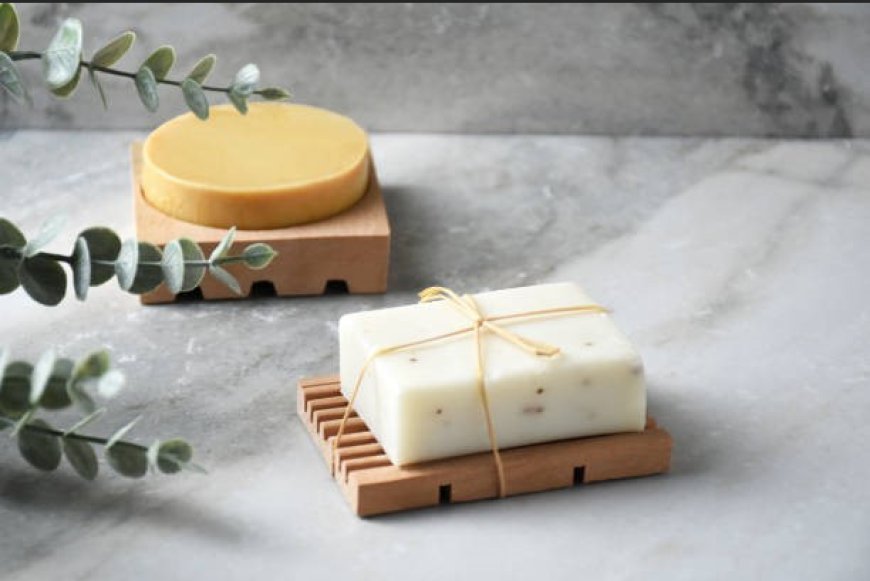
“Organic” is one of those words that sounds reassuring the moment you see it on a label. It feels safe, clean, and better for your skin.
But here is the honest question: How do you know if those organic soap bars are actually what they claim to be?
Not every product that looks natural is truly made that way. Some labels are clear. Others are a bit misleading. That is why having a simple checklist can help you make better choices without second-guessing every purchase.
Let’s walk through what you should actually verify before trusting the label.
Shop Smarter with Organic Soap Bars Buying Checklist
-
Check the Ingredient List, Not Just the Front Label
The front of the packaging is designed to catch your attention. Words like “organic,” “natural,” or “pure” are often highlighted, but the real story is always on the back.
When looking at organic soap bars, take a moment to read the full ingredient list.
You want to see:
-
Recognizable oils and butters
-
Simple, clear naming
-
Ingredients listed in descending order
If the list feels long, overly complex, or filled with unfamiliar chemical names, it may not match the clean image on the front. A true natural bar soap usually keeps things simple and transparent.
-
Look for SLS-Free Formulation
One of the most important things to verify is whether the soap is actually an SLS-free soap. SLS (sodium lauryl sulfate) is commonly used to create foam, but it can be harsh on the skin, especially with regular use.
Many people switch to organic soap bars expecting a gentler experience. If SLS is still present, that expectation may not be met. A good soap does not need aggressive foaming agents to feel effective. Gentle cleansing comes from well-balanced ingredients, not just lather.
-
Check for Moisture-Supporting Ingredients
A common issue with low-quality soaps is that they clean well but leave your skin feeling dry or tight afterward. That is why it helps to look for ingredients that support hydration.
For example, goat milk soap is often included in well-made organic soap bars because it contains natural fats that help maintain moisture. It works well for people who want a gentle cleansing soap that does not strip the skin.
Other helpful ingredients may include:
-
Olive oil
-
Coconut oil
-
Shea butter
These support the skin while the soap does its job.
-
Verify If “Organic” Applies to All or Just a Few Ingredients
This is something many people overlook. Sometimes, a product is labeled as organic even if only one or two ingredients actually meet that standard.
When reviewing organic soap bars, check whether:
-
Most ingredients are organic
-
Or just a small portion is
If only a few ingredients are organic, the label can feel more like a marketing choice than a true reflection of the product. Transparency matters here. Brands that are clear about their sourcing tend to be more trustworthy.
-
Pay Attention to Fragrance Sources
Fragrance can change how a soap feels completely. Some soaps use synthetic fragrance blends, while others rely on essential oils. If you are choosing organic soap bars, it is worth checking how the scent is created. Natural fragrance sources tend to be:
-
Essential oils
-
Plant-based extracts
These often feel lighter and less overwhelming compared to artificial fragrance mixes.
If the label simply says “fragrance” without explanation, it is a good idea to look deeper or choose something more clearly defined.
-
Check How the Soap Is Made
The way soap is made affects how it performs on your skin. Many high-quality organic soap bars are made using cold process methods. This helps preserve natural glycerin, which plays an important role in keeping your skin hydrated.
On the other hand, heavily processed soaps may remove glycerin and replace it with additives. If your goal is to find a gentle cleansing soap, the process matters just as much as the ingredients.
-
Look for Clear Brand Transparency
Sometimes, the easiest way to trust a product is to understand the person or process behind it. When choosing organic soap bars, see if the brand:
-
Shares how the soap is made
-
Explains ingredient choices
-
Provides clear product details
A transparent brand gives you more confidence because nothing feels hidden or vague.
-
Notice How Your Skin Responds Over Time
Even after checking everything on the label, your experience matters most. When you start using new organic soap bars, pay attention to how your skin feels after a few uses. Does it feel:
-
Clean but comfortable
-
Balanced instead of tight
-
Calm instead of irritated
A good natural bar soap should support your skin, not challenge it.
Conclusion
Choosing the right organic soap bar does not have to feel confusing or overwhelming. Once you know what to look for, the process becomes much simpler and more intentional. Labels can say a lot, but what truly matters is what is inside and how it works for your skin. When you take a closer look at ingredients, formulation, and overall quality, you move from guessing to understanding.
And that shift makes every purchase feel a little more thoughtful, a little more aligned with what your skin actually needs.
FAQs
Are organic soap bars better for sensitive skin compared to regular soaps?
They often are, especially when they avoid harsh chemicals and include soothing ingredients. However, it still depends on the full formula and how your skin reacts.
How long do organic soap bars usually last?
This depends on how they are stored. Keeping them dry between uses helps them last longer and maintain their texture.
Can children use organic soap bars safely?
Many can, but it is best to choose mild formulations without strong fragrances or essential oils, especially for very young or sensitive skin.
Do organic soap bars produce less lather?
They can produce a softer, creamier lather compared to commercial soaps. This does not mean they are less effective.