Why Are Plant Based Dairy Alternatives Becoming Mainstream Worldwide?
Explore the factors driving global adoption of plant based dairy products, from health awareness and sustainability to innovation and evolving diets.
 Marketinsights
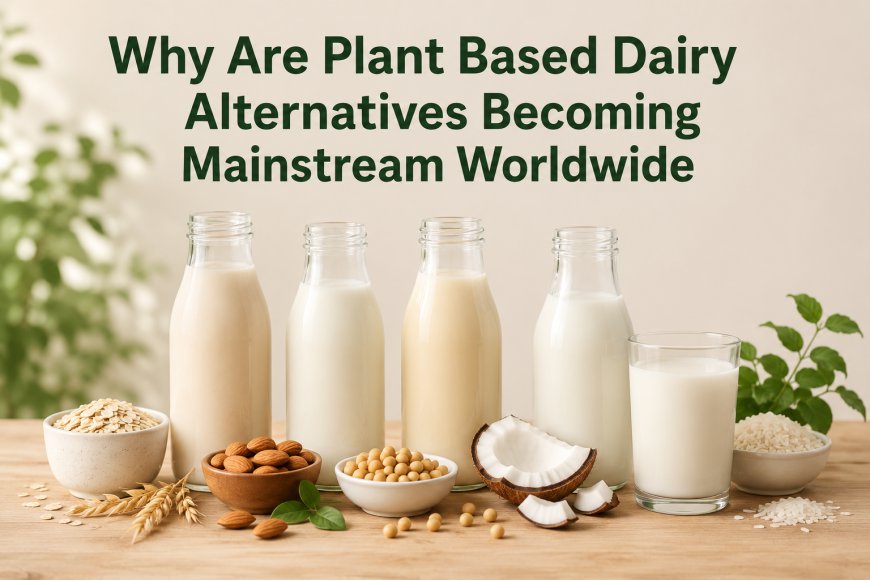
Consumer preferences in the global food industry are evolving rapidly as sustainability, nutrition awareness, and dietary diversity become increasingly important. Plant based dairy products, including milk, yogurt, cheese, and cream alternatives derived from soy, oats, almonds, coconuts, and other plant sources, have moved beyond niche health food categories to become a significant part of mainstream retail shelves. Growing awareness of environmental concerns, lactose intolerance, and changing dietary habits is encouraging consumers to explore alternatives to traditional dairy products.
According to a study by MarkNtel Advisors, the global plant based dairy industry is expected to witness notable growth during the forecast period. Factors such as rising vegan populations, increasing investment in alternative protein innovation, and expanding product availability continue to shape industry development. In addition, organizations such as the Food and Agriculture Organization emphasize the importance of sustainable food systems in supporting future food security, highlighting the broader context in which plant based food categories are gaining attention.
The Shift Toward Health Conscious Consumption
One of the primary drivers behind the adoption of plant based dairy alternatives is increasing health consciousness. Consumers are paying closer attention to ingredient labels, nutritional content, and dietary impacts. Many individuals seek products that align with personal wellness goals, including lower cholesterol intake, reduced saturated fat consumption, and digestive comfort.
Lactose intolerance remains a significant factor influencing purchasing decisions worldwide. According to the National Institutes of Health, lactose malabsorption affects a substantial portion of the global population, creating demand for dairy free alternatives. As a result, manufacturers are developing products that replicate the taste and texture of traditional dairy while catering to dietary restrictions.
Sustainability Is Reshaping Food Choices
Environmental considerations are playing an increasingly important role in food purchasing behavior. Consumers are becoming more aware of the environmental footprint associated with food production, including greenhouse gas emissions, water consumption, and land use.
Research published by the United Nations Environment Programme highlights the importance of sustainable consumption and production patterns for reducing environmental pressures. Plant based dairy products are often perceived as part of a broader movement toward environmentally conscious food choices, encouraging both consumers and businesses to explore alternative food systems.
This growing awareness has prompted retailers and food service providers to expand plant based offerings, making these products more accessible to a wider audience.
Innovation Is Expanding Product Appeal
Product innovation has transformed the perception of plant based dairy alternatives. Earlier generations of dairy substitutes often faced criticism regarding taste, texture, and functionality. However, advancements in food technology have significantly improved product quality.
Manufacturers are investing in research and development to create products that closely mimic traditional dairy experiences. Oat milk, almond milk, soy milk, and blended formulations now offer improved flavor profiles and enhanced nutritional value. Companies are also introducing fortified products containing vitamins, minerals, and protein to meet consumer expectations.
As highlighted in a plant based dairy market analysis, innovation continues to support category expansion by attracting consumers who may not necessarily identify as vegan but are interested in flexible dietary choices.
Retail Expansion and Consumer Accessibility
The availability of plant based dairy products has increased dramatically over the past decade. What was once limited to specialty health food stores is now widely available in supermarkets, convenience stores, and online retail platforms.
Major retailers have expanded shelf space dedicated to alternative dairy products, reflecting growing consumer demand. Improved distribution networks and competitive pricing strategies have also contributed to wider adoption.
Detailed insights can be found in the plant based dairy industry report, which discusses how product accessibility and retail penetration continue to influence purchasing behavior across multiple regions.
Food service establishments have also embraced the trend by incorporating plant based milk options into beverages, desserts, and menu offerings. This visibility helps normalize plant based choices and introduces new consumers to alternative dairy products.
The Rise of Flexitarian Diets
The growth of plant based dairy alternatives is not solely driven by vegan consumers. Flexitarian eating patterns, where individuals intentionally reduce animal product consumption without eliminating it entirely, are becoming increasingly common.
Consumers adopting flexitarian lifestyles often seek balance between health, sustainability, and personal preferences. Plant based dairy products provide a practical way to diversify diets while maintaining familiarity in everyday meals and beverages.
According to this plant based dairy growth forecast, changing consumer attitudes toward food flexibility are expected to remain a significant contributor to industry expansion. The trend demonstrates that plant based products are increasingly appealing to a broad demographic rather than a single consumer segment.
Investment and Industry Development
Investment activity within alternative protein and plant based food sectors has accelerated in recent years. Food manufacturers, ingredient suppliers, and technology firms are allocating resources toward innovation and production capacity expansion.
The growing interest from investors reflects confidence in long term consumer demand for plant based products. New product launches, strategic partnerships, and ingredient innovations continue to strengthen the industry's competitive landscape.
Detailed companies are covered in this study, analyzing future opportunities and highlighting how businesses are adapting to changing consumer expectations through research driven product development.
Looking Ahead
The global plant based dairy sector reflects broader transformations occurring across the food and beverage industry. Health awareness, sustainability concerns, technological innovation, and evolving dietary preferences are collectively influencing how consumers approach dairy consumption.
While traditional dairy products continue to maintain a significant presence in global food systems, plant based alternatives are becoming an increasingly important complement for many consumers. As product quality improves and availability expands, the category is expected to remain a key area of interest for manufacturers, retailers, policymakers, and consumers alike.