Polyolefin Shrink Film Market Size, Trends, and Growth Analysis 2026-2033
 coherentmarket
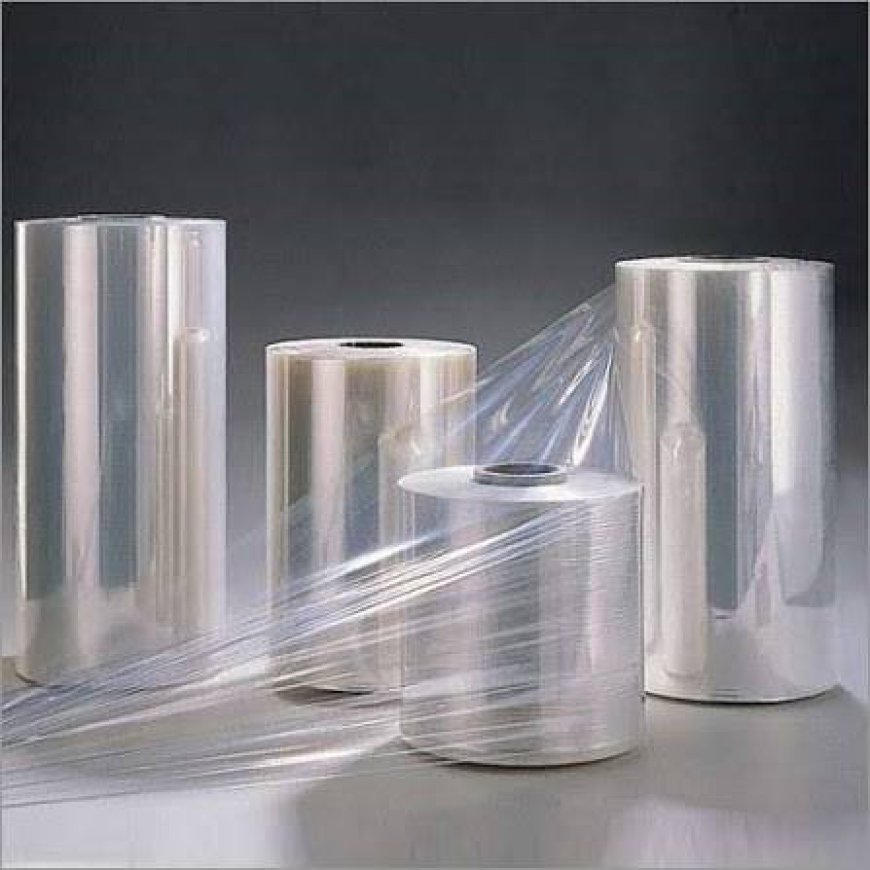
The polyolefin shrink film industry is witnessing steady expansion driven by evolving packaging needs and sustainability initiatives globally. With advancements in polymer technology and increased demand across FMCG and pharmaceutical sectors, the market continues to offer substantial opportunities in terms of innovation and application diversification.
Market Size and Overview
The polyolefin shrink film market is estimated to be valued at USD 9.22 Bn in 2025 and is expected to reach USD 11.89 Bn by 2032, growing at a compound annual growth rate (CAGR) of 3.7% from 2025 to 2032.
This Polyolefin Shrink Film Market Growth is propelled by the rising demand for premium retail packaging and efficient supply chain protection, coupled with regulatory focus on recyclable and sustainable packaging solutions. The market report highlights increasing investments by market companies in expanding production capacities and upgrading film properties.
Market Segments
The Polyolefin Shrink Film Market can be segmented broadly into product type, application, and end-user categories.
- Product Type: Includes low-density polyethylene (LDPE), linear low-density polyethylene (LLDPE), and others. LDPE remains the dominant sub-segment due to its flexibility and clarity; however, LLDPE is the fastest-growing, benefiting from enhanced mechanical strength, as evidenced in 2025 packaging innovations by major manufacturers.
- Application: Food packaging, beverage, pharmaceuticals, and industrial goods. Food packaging stays the largest segment, while pharmaceutical packaging is witnessing rapid growth driven by stringent safety and hygiene regulations in 2024 and 2025.
- End User: FMCG, healthcare, automotive, and electronics sectors. FMCG holds dominance attributable to high-volume packaging demand, whereas healthcare’s adoption of specialty shrink films is rapidly increasing.
Market Drivers
A significant market driver for the polyolefin shrink film market is the global shift towards sustainable packaging materials. In 2024, governments across Europe and North America enforced stricter regulations banning single-use plastics, pushing market players to develop recyclable shrink films. For instance, bi-layered polyolefin films launched in early 2025 showed a 15% reduction in carbon footprint, while maintaining film strength. This trend is expected to sustain market growth and influence market dynamics prominently through 2033.
Segment Analysis: Product Type
Focusing on product type reveals that LDPE holds the largest market revenue, contributing substantially to the industry size in 2025, due to its wide usage in retail packaging. Meanwhile, LLDPE’s superior puncture resistance has led to a CAGR exceeding 5% within this segment, supported by case studies such as Allen Plastic Industries’ successful introduction of high-performance LLDPE films in 2024, enabling better protection of sensitive goods. The market analysis shows that demand for customized film blends targeting specific product protection requirements is a key factor driving product innovation.
Consumer Behaviour Insights
Consumer behavior in 2024-2025 indicates a clear preference for eco-friendly packaging, with over 65% of surveyed consumers willing to pay a premium for biodegradable polyolefin shrink films. Additionally, digital consumption influencing e-commerce packaging needs is accelerating demand for lightweight, tamper-evident films. Pricing sensitivity remains prominent in emerging markets, urging manufacturers to balance cost-efficiency with innovation. Furthermore, customization trends see brands demanding films with specific optical clarity and print compatibility, helping them differentiate their products on retail shelves.
Key Players
Major market players in the Polyolefin Shrink Film Market include Exxon Mobil Corporation, Amcor Plc, Berry Global Inc., Allen Plastic Industries Co., Ltd., and FlexiPack, among others. In 2024 and 2025, these companies expanded manufacturing capacities and launched sustainable product lines. For example, Exxon Mobil introduced a next-generation polyolefin grade, enhancing film recyclability and reducing production costs, which positively impacted their market revenue. Similarly, Amcor’s regional expansion into Asia-Pacific in 2025 created new market opportunities aligned with rising demand.
Key Winning Strategies Adopted by Key Players
Several impactful strategies have emerged in the polyolefin shrink film industry —
- Sustainable product innovation: Berry Global in 2025 launched a fully recyclable shrink film reducing environmental impact by 20%, aligning with evolving regulatory demands and consumer preferences.
- Strategic partnerships for technology integration: Allen Plastic Industries collaborated with polymer technology firms in 2024 to develop films with enhanced barrier properties, which improved product shelf-life and customer satisfaction.
- Capacity expansion focused on regional demand: FlexiPack strategically invested in manufacturing plants in Southeast Asia in 2024, addressing rapid FMCG growth and achieving accelerated business growth through local supply chains.
FAQs
Who are the dominant players in the Polyolefin Shrink Film Market?
Dominant players include Exxon Mobil Corporation, Amcor Plc, Berry Global Inc., Allen Plastic Industries Co., Ltd., and FlexiPack, known for capacity expansions, new product launches, and regional market penetration in 2024 and 2025.
What will be the size of the Polyolefin Shrink Film Market in the coming years?
The market size is projected to grow from USD 9.22 billion in 2026 to USD 11.89 billion by 2033, reflecting a CAGR of 3.7%.
Which end-user industry has the largest growth opportunity?
The FMCG sector offers the largest growth opportunity due to increasing demand for efficient retail packaging, followed closely by healthcare with specialized packaging needs.
How will market development trends evolve over the next five years?
Market trends will focus on sustainable and recyclable shrink films, driven by environmental regulations and changing consumer preferences for eco-friendly packaging solutions.
What is the nature of the competitive landscape and challenges in the Polyolefin Shrink Film Market?
The market is competitive with key players focusing on technological innovation, sustainability, and regional expansion. Challenges include balancing manufacturing costs with growing demand for biodegradable materials.
What go-to-market strategies are commonly adopted in the Polyolefin Shrink Film Market?
Key strategies encompass product innovation focusing on sustainable materials, strategic partnerships for enhanced film properties, and expanding production capacities in fast-growing regional markets.
‣ Get more insights on : Polyolefin Shrink Film Market
‣ Get this Report in Japanese Language: ポリオレフィンシュリンクフィルム市場
‣ Get this Report in Korean Language: 폴리올레핀수축필름시장
‣ Read More Related Articles - Radiology Services in Europe: An Overview
Author Bio:
Yash Doshi is a Senior Management Consultant. He has 12+ years of experience in conducting research and handling consulting projects across verticals in APAC, EMEA, and the Americas. He brings strong acumen in helping chemical companies navigate complex challenges and identify growth opportunities. He has deep expertise across the chemicals value chain, including commodity, specialty and fine chemicals, plastics and polymers, and petrochemicals. Yash is a sought-after speaker at industry conferences and contributes to various publications on topics related commodity, specialty and fine chemicals, plastics and polymers, and petrochemicals.