Global Plant-based Packaging Market Size and Growth Analysis 2026-2033
The plant-based packaging industry is rapidly reshaping the packaging landscape, driven by increasing environmental concerns and regulatory pressures. This sector demonstrates strong potential for sustainable alternatives to traditional packaging, reflecting growing consumer demand for eco-friendly solutions. Recent market trends underscore a significant shift toward biodegradable and renewable packaging formats, which are integral to the future of sustainable business growth.
 coherentmi21
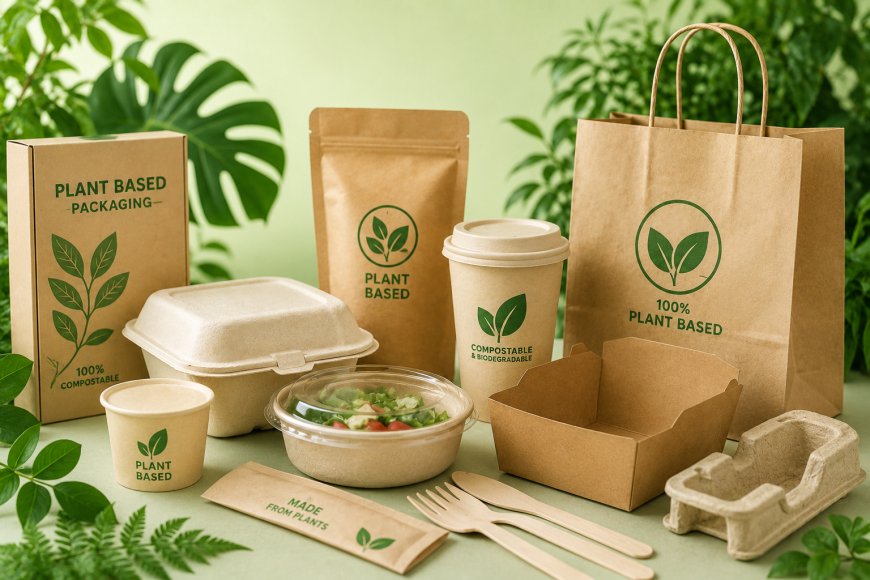
The plant-based packaging industry is rapidly reshaping the packaging landscape, driven by increasing environmental concerns and regulatory pressures. This sector demonstrates strong potential for sustainable alternatives to traditional packaging, reflecting growing consumer demand for eco-friendly solutions. Recent market trends underscore a significant shift toward biodegradable and renewable packaging formats, which are integral to the future of sustainable business growth.
Market Size and Overview
The plant-based packaging market is estimated to be valued at USD 149.4 Mn in 2025 and is expected to reach USD 289.3 Mn by 2032, growing at a compound annual growth rate (CAGR) of 9.9% from 2025 to 2032.
This Plant-based Packaging Market Growth is propelled by expanding industry share in sustainable packaging solutions and a rising focus on regulatory frameworks that favor biodegradable materials. Market revenue is witnessing consistent upward momentum as companies across packaging segments adopt plant-derived options, signaling lucrative market opportunities globally.
Market Drivers
One of the primary market drivers shaping the plant-based packaging market growth involves increased regulatory emphasis on reducing plastic waste. For instance, the European Union’s 2024 ban on single-use plastics significantly accelerated the demand for plant-based packaging alternatives. Statistics from 2025 reveal a 25% year-over-year increase in adoption of bioplastics across the food and beverage sector, driven by growing corporate sustainability commitments. These market trends highlight the integral role of eco-friendly regulations and consumer awareness in expanding the industry size and market revenue.
PEST Analysis
- Political: Governments globally are enacting stringent regulations to curb plastic pollution, with policies introduced in 2024 to incentivize renewable packaging. These political developments expand the market scope for plant-based packaging companies, fostering innovation and investment.
- Economic: The rise in raw material costs for petrochemical-based packaging continued through 2025, prompting companies to explore cost-effective plant-based alternatives. Economic fluctuations impact market growth strategies and investment in sustainable technologies.
- Social: Heightened environmental consciousness among consumers in 2024-2025 resulted in increased preference for biodegradable packaging, particularly among millennials and Gen Z segments, boosting market demand and driving industry trends.
- Technological: Advancements in biopolymer processing and material science in 2025 have improved the performance and scalability of plant-based packaging, keeping pace with market dynamics and enhancing the competitive landscape.
Promotion and Marketing Initiatives
Companies in the plant-based packaging market are actively leveraging awareness campaigns centered around sustainability. In 2025, a notable initiative was undertaken by a leading global beverage company, which launched a marketing campaign emphasizing its shift to 100% plant-based bottles in North America. This campaign resulted in a 15% sales uplift in sustainable product lines and positively influenced market growth. Such strategic promotional activities significantly enhance brand positioning and stimulate market opportunities within the eco-conscious consumer base.
Key Players
Some prominent market players driving the plant-based packaging industry's evolution include:
- Evergreen Packaging
- The Coca-Cola Company
- Amcor
- Vegware
- Tetra Pak International SA
Recent strategies of these market companies encompass:
- Evergreen Packaging expanded its manufacturing capacity in 2025, increasing production of renewable fiber-based packaging, enhancing market share in North America.
- The Coca-Cola Company introduced plant-based PET bottles in 2024, reducing carbon footprint by 30% per unit, reflecting significant business growth through sustainable innovation.
- Amcor engaged in strategic partnerships across Europe in 2025 to develop compostable packaging solutions, boosting its market revenue and influence across multiple segments.
FAQs
Q1: Who are the dominant players in the Plant-based Packaging Market?
The dominant players include Evergreen Packaging, The Coca-Cola Company, Amcor, Vegware, and Tetra Pak International SA, leading with innovations and expansions in sustainable packaging solutions.
Q2: What will be the size of the Plant-based Packaging Market in the coming years?
The market size is projected to grow from USD 149.4 million in 2026 to approximately USD 289.3 million by 2033, representing a CAGR of 9.9%.
Q3: Which end-user industry has the largest growth opportunity in plant-based packaging?
The food and beverage industry presents the largest growth opportunity, driven by increasing consumer demand for sustainable packaging and stringent regulatory policies.
Q4: How will market development trends evolve over the next five years?
The market trends indicate a consistent shift toward biodegradable and renewable materials, with technological advances improving product performance and expanding applicability across various sectors.
Q5: What is the nature of the competitive landscape and challenges in the Plant-based Packaging Market?
The market features increasing competition with companies focusing on R&D, capacity expansions, and strategic partnerships. Challenges include managing raw material cost fluctuations and scaling eco-friendly technologies.
Q6: What go-to-market strategies are commonly adopted in the Plant-based Packaging Market?
Common strategies involve sustainability-focused marketing campaigns, product diversification, regional expansion, and collaborations for innovation to increase market penetration and revenue.
‣ Get this Report in Japanese Language: 植物由来包装市場
‣ Get this Report in Korean Language: 식물기반포장시장
About Author:
Vaagisha brings over three years of expertise as a content editor in the market research domain. Originally a creative writer, she discovered her passion for editing, combining her flair for writing with a meticulous eye for detail. Her ability to craft and refine compelling content makes her an invaluable asset in delivering polished and engaging write-ups.