Melt Stubborn Fat Safely and Steadily with Ozempic Injection
Discover how Ozempic Injection in Dubai may support steady weight management, appetite control, and healthier goals with professional medical guidance and care.
 dynamichassan4
If stubborn weight has become difficult to manage despite healthier eating and regular activity, medical support may offer another path forward. Ozempic Injection in Dubai is increasingly discussed because semaglutide can influence appetite and may contribute to weight reduction in some people. However, Ozempic is a prescription medicine approved primarily for adults with type 2 diabetes, not specifically as a weight-loss drug, so treatment should always begin with a qualified medical assessment.
Understanding How Ozempic Supports Weight Management
Ozempic contains semaglutide, a medication belonging to the GLP-1 receptor agonist class. Its approved role is to improve blood sugar control in adults with type 2 diabetes alongside diet and exercise, while certain patients may also experience weight loss during treatment.
One reason weight may decrease is that semaglutide can affect appetite and food intake. When people feel satisfied with smaller portions, maintaining a calorie-controlled eating pattern may become easier. Still, results vary considerably from one person to another.
For people considering Ozempic for weight management, it is important to understand that the medication should not be viewed as a shortcut or a replacement for healthy lifestyle habits. A clinician can determine whether its approved indications and an individual's medical circumstances make treatment appropriate.
Why Gradual Progress Matters for Stubborn Fat
Stubborn fat can be frustrating because it may remain even when someone is making consistent lifestyle changes. Sustainable body-weight changes generally require patience rather than extreme calorie restriction or rapid approaches.
A medically supervised semaglutide plan may help some individuals manage appetite more effectively. This can support better adherence to balanced meals and portion control, creating conditions that encourage gradual weight reduction.
Rather than focusing only on a number on the scale, a sensible approach considers overall health, eating patterns, physical activity, blood glucose where relevant, and other individual factors. This broader perspective can make weight-management goals more realistic.
What to Expect from Ozempic Injection in Dubai
People searching for Ozempic Injection in Dubai should understand that treatment is prescription-based and should be personalized by a healthcare professional. The current U.S. prescribing information recommends starting Ozempic at 0.25 mg once weekly for four weeks, followed by dose adjustments when appropriate; the exact regimen should be determined by the treating clinician.
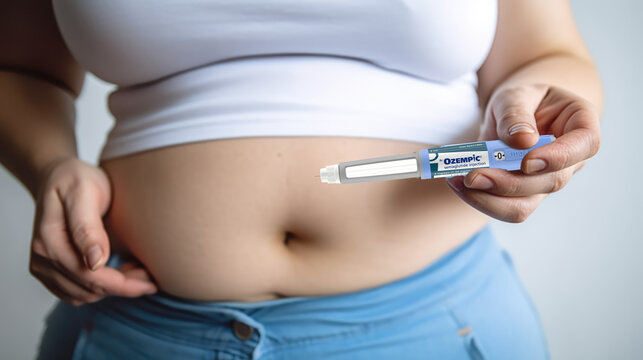
The medication is administered as a subcutaneous injection, generally in the abdomen, thigh, or upper arm. It is taken once weekly, with or without meals.
A medical consultation may consider factors such as:
- Current weight and overall health
- Type 2 diabetes status and blood glucose control
- Existing medications
- Previous reactions to similar medicines
- History of certain gastrointestinal or pancreatic conditions
- Personal and family medical history
This evaluation helps reduce unnecessary risks and ensures that treatment decisions are based on individual needs rather than online trends.
Combining Semaglutide with Healthy Lifestyle Habits
Medication alone should not be the entire weight-management strategy. Ozempic is specifically prescribed alongside diet and exercise for its approved diabetes indication, and healthy habits remain important throughout treatment.
A balanced eating pattern can emphasize vegetables, lean protein, whole grains, legumes, fruit, and appropriate portions. Regular physical activity can complement dietary changes by supporting cardiovascular fitness, muscle strength, and overall metabolic health.
For someone using semaglutide for weight control, consistency is often more valuable than pursuing dramatic short-term changes. Tracking meals, activity, appetite patterns, and progress can also help a healthcare professional assess how well the overall plan is working.
Safety, Side Effects, and Medical Supervision
Although Ozempic can be appropriate for certain patients, it is not suitable for everyone. Common adverse reactions include nausea, vomiting, diarrhea, abdominal pain, and constipation.
More serious risks are also outlined in the prescribing information. These include pancreatitis, gallbladder disease, kidney injury associated with dehydration, severe gastrointestinal reactions, serious hypersensitivity reactions, and diabetic retinopathy complications in certain patients.
Ozempic also carries a boxed warning concerning thyroid C-cell tumors based on findings in rodents. It is contraindicated in people with a personal or family history of medullary thyroid carcinoma or with Multiple Endocrine Neoplasia syndrome type 2.
For these reasons, obtaining injections from unverified sources or changing the dose without medical advice is unsafe. Prescription medicines should be used exactly as directed by a qualified healthcare professional.
Is Ozempic Right for Your Weight-Loss Goals?
The right approach depends on why someone wants to lose weight and their broader health profile. Ozempic is FDA-approved for adults with type 2 diabetes for specific indications; it is not FDA-approved specifically for weight loss or chronic weight management.
Therefore, someone seeking a weight-management medication should discuss all available medically appropriate options with a clinician rather than assuming Ozempic is automatically the best choice. Another semaglutide formulation may be specifically approved for chronic weight management for eligible patients.
A consultation can help establish realistic expectations and determine whether medication, nutrition changes, physical activity, or a combination of approaches is most appropriate. This personalized process is especially important when the goal is steady progress rather than rapid, potentially unsustainable weight loss.
Conclusion
Stubborn fat does not have to be approached with extreme diets or unrealistic expectations. For appropriately selected patients, semaglutide may support appetite management and can be associated with weight loss, but its use should remain medically supervised and consistent with approved indications.
If you are considering Ozempic Injection treatment, speak with a qualified healthcare professional to discuss your health history, goals, potential benefits, and risks. With professional guidance and sustainable lifestyle habits, the focus can remain on steady, responsible progress rather than quick fixes.