Pool Heater Repair: Common Problems and Quick Fixes
Learn about common pool heater issues and quick fixes to keep your pool warm and functional year-round.
 maddysmith1
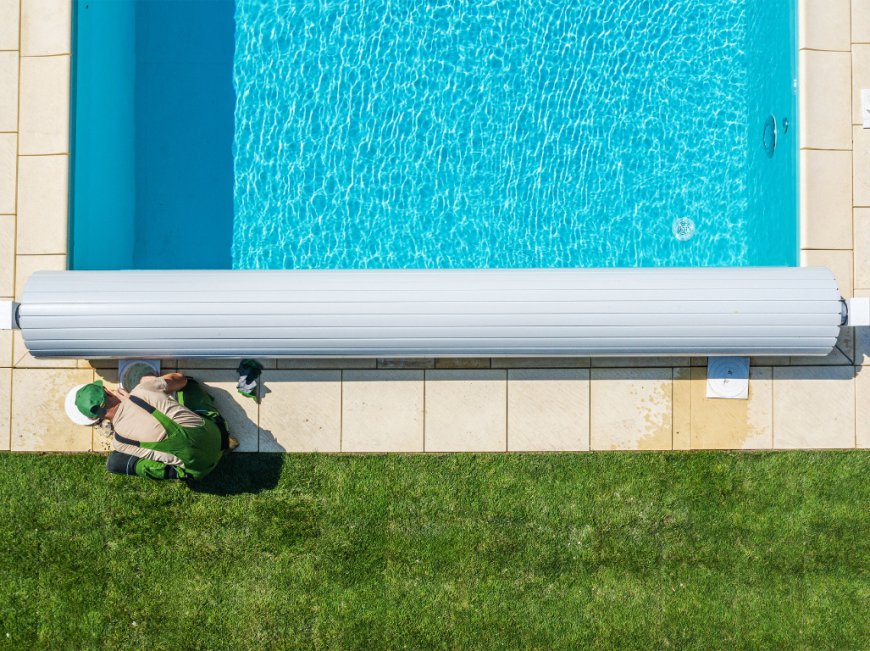
A swimming pool is one of the best investments for comfort, relaxation, and family entertainment. However, a pool becomes far less enjoyable when the water temperature drops unexpectedly. A properly functioning heater keeps your pool usable throughout cooler seasons and ensures consistent comfort. Like any mechanical system, pool heaters can develop problems over time, requiring attention and maintenance. Understanding common issues and knowing practical solutions can save both time and money.
This article explores the most frequent heater issues, their causes, and quick solutions homeowners can try before calling a professional. Whether you own a gas heater, electric heat pump, or solar system, understanding pool Heater repair basics will help you keep your pool running efficiently.
Understanding How Pool Heaters Work
Before diving into repair solutions, it helps to understand how pool heaters operate. Most pool heating systems fall into three main categories: gas heaters, electric heat pumps, and solar heaters. Each type works differently but shares the same goal—raising water temperature efficiently.
Gas heaters burn natural gas or propane to generate heat. Heat pumps extract warmth from surrounding air and transfer it into pool water. Solar heaters rely on sunlight to warm water through collector panels. Regardless of the system, components such as thermostats, sensors, pumps, valves, and heat exchangers must function correctly.
When any of these parts fail, pool Heater repair becomes necessary to restore proper heating performance.
Common Signs Your Pool Heater Needs Repair
Many homeowners ignore early warning signs until the heater completely stops working. Recognizing problems early can prevent expensive damage.
One of the most common signs is inconsistent water temperature. If your pool struggles to maintain heat, it may indicate a malfunctioning thermostat or restricted water flow. Another warning sign includes strange noises such as banging or rattling, which could point to internal component damage.
Higher energy bills also suggest inefficiency within the heating system. When heaters work harder due to clogged filters or faulty sensors, energy consumption increases significantly. Visible rust, leaks, or corrosion around the heater are additional indicators that pool Heater repair should not be delayed.
Heater Won’t Turn On
A pool heater that refuses to start is one of the most frustrating problems for pool owners. Fortunately, several simple checks can often solve the issue.
First, inspect the power supply. For electric heaters, confirm the circuit breaker hasn’t tripped. Gas heaters require proper fuel supply, so ensure valves are open and gas pressure is adequate. Many heaters also include safety switches that prevent operation if water flow is insufficient.
Dirty pool filters frequently trigger shutdowns because heaters rely on steady circulation. Cleaning or replacing filters may immediately restore functionality. If these steps fail, professional pool Heater repair may be necessary to diagnose internal electrical or ignition problems.
Pool Heater Not Heating Properly
Sometimes heaters turn on but fail to warm the water effectively. This issue often results from restricted water flow or incorrect thermostat settings.
Start by verifying that the thermostat temperature is set higher than the current pool temperature. It may sound simple, but incorrect settings are surprisingly common. Next, check the circulation pump. A weak or failing pump reduces water movement through the heater, limiting heat transfer.
Calcium buildup inside heat exchangers can also reduce efficiency. Regular maintenance helps prevent mineral deposits that eventually require pool Heater repair services. Descaling treatments or professional cleaning may restore performance.
Frequent Heater Shutdowns
If your heater repeatedly turns off after starting, safety sensors are likely detecting a problem. Modern heaters include pressure switches, temperature sensors, and limit controls designed to prevent overheating.
Low water flow is a frequent cause of shutdown cycles. Blocked skimmer baskets, dirty filters, or partially closed valves restrict circulation and activate safety mechanisms. Cleaning these components often solves the issue quickly.
Another common reason involves faulty temperature sensors sending incorrect readings. Replacing worn sensors is a routine pool Heater repair task that significantly improves reliability.
Ignition Problems in Gas Pool Heaters
Gas heaters depend on proper ignition systems to start heating. When ignition fails, the heater cannot generate heat even if all other components work properly.
Dirty burners are a common culprit. Dust, debris, and insects may block gas flow, preventing ignition. Cleaning burners carefully can restore normal operation. Pilot light problems also occur due to clogged lines or worn thermocouples.
Gas pressure irregularities may require professional inspection. Because gas systems involve safety risks, advanced pool Heater repair involving gas connections should always be handled by qualified technicians.
Heat Pump Issues and Solutions
Electric heat pumps are energy-efficient but sensitive to environmental conditions. One frequent issue occurs when outdoor temperatures drop too low. Heat pumps rely on warm air, so performance naturally declines in colder climates.
Frozen evaporator coils can also prevent heating. Restricted airflow caused by debris, leaves, or dirt buildup may lead to icing problems. Cleaning the surrounding area and ensuring adequate ventilation often resolves the issue.
Electrical component failures, such as capacitor or compressor damage, typically require expert pool Heater repair services. Regular inspection helps prevent costly replacements.
Solar Pool Heater Troubleshooting
Solar heaters are generally low-maintenance, but they are not completely problem-free. Reduced heating efficiency often results from dirty or shaded solar panels.
Inspect panels regularly for leaves, dust, or debris blocking sunlight. Check valves and plumbing connections for leaks that may reduce water pressure. Solar systems rely on proper circulation timing, so ensure automatic controllers operate correctly.
Cracked panels or damaged piping usually require professional pool Heater repair, especially when leaks affect system pressure.
Water Flow Problems Affecting Heater Performance
Water flow is critical for all types of pool heaters. Insufficient circulation prevents heaters from operating safely and efficiently.
Common causes include clogged filters, blocked skimmers, air trapped in the system, or failing pumps. Even partially closed valves can disrupt flow enough to trigger heater shutdowns.
Routine cleaning and inspection are among the easiest ways to avoid unnecessary pool heater repair. Maintaining proper circulation not only protects the heater but also improves overall pool health. Utilizing professional green pool cleaning services ensures eco-friendly maintenance while keeping your pool safe, clean, and energy-efficient.
Thermostat and Sensor Malfunctions
Thermostats control heating accuracy, while sensors monitor safety conditions. When these components fail, heaters may run continuously, shut down unexpectedly, or display incorrect temperatures.
Calibration problems often develop over time due to wear or exposure to moisture. Replacing faulty sensors is usually inexpensive compared to major system repairs.
Modern digital heaters may show error codes that help identify problems quickly. Consulting the manufacturer’s manual can guide troubleshooting before scheduling pool Heater repair services.
Leaks and Corrosion Issues
Water leaks and corrosion represent serious threats to heater lifespan. Exposure to chemicals, moisture, and outdoor conditions gradually weakens metal components.
Corrosion inside heat exchangers commonly results from improper water chemistry. Maintaining balanced pH and chlorine levels prevents premature damage. Small leaks should never be ignored, as they often worsen quickly.
Professional pool Heater repair technicians can replace damaged seals, pipes, or exchangers before complete heater failure occurs.
Preventive Maintenance Tips
The best way to avoid costly repairs is consistent maintenance. Simple habits can dramatically extend heater life and improve performance.
Regularly clean filters to ensure proper water flow and check heater vents and surrounding areas for debris. Schedule seasonal swimming pool inspections before periods of heavy use. It’s also essential to monitor water chemistry, as unbalanced chemicals can speed up corrosion and damage pool equipment.
Many homeowners discover that routine care reduces the need for emergency pool Heater repair while lowering energy costs.
When to Call a Professional Technician
While some issues have simple solutions, others require expert attention. Electrical failures, gas leaks, compressor problems, and internal corrosion should always be handled by certified technicians.
Attempting complex repairs without proper knowledge may worsen damage or create safety hazards. Professional pool Heater repair services include diagnostic testing, component replacement, and efficiency optimization.
Hiring experienced technicians ensures long-term reliability and protects your investment.
Cost Considerations for Pool Heater Repair
Repair costs vary depending on heater type, age, and problem severity. Minor fixes such as sensor replacement or filter cleaning are relatively inexpensive. Larger repairs involving heat exchangers or compressors may cost significantly more.
Regular maintenance reduces repair frequency and delays the need for full heater replacement. Many homeowners find that timely pool Heater repair is far more affordable than installing a new heating system.
Comparing repair estimates and maintaining service records helps manage long-term expenses effectively.
Extending the Lifespan of Your Pool Heater
Most pool heaters last between 8 and 15 years depending on usage and maintenance. Proper installation, balanced water chemistry, and seasonal servicing contribute greatly to longevity.
Covering the pool when not in use reduces heating demand and system strain. Running the heater only when necessary also improves efficiency. Annual inspections help detect minor issues before they escalate into major pool Heater repair projects.
Taking proactive steps ensures consistent comfort and minimizes unexpected breakdowns.
Final Thoughts
A reliable pool heater transforms your swimming experience by providing comfortable water temperatures year-round. While heater problems can seem overwhelming, many common issues have simple solutions when identified early.
Understanding warning signs, maintaining proper water flow, and performing regular inspections significantly reduce the need for major repairs. When problems do arise, timely pool Heater repair restores efficiency and prevents costly system failure.
By combining preventive pool maintenance with professional servicing when needed, pool owners can enjoy warm, inviting water without interruption. Investing time in proper heater care ultimately protects your equipment, saves money, and ensures your pool remains a relaxing retreat in every season.