Protecting Your HVAC System During Power Outages and Winter Storms
Protect your HVAC system during power outages and winter storms with expert tips to prevent costly heating repairs and ensure reliable comfort.
 AVS_Heating_and_Air_Conditioning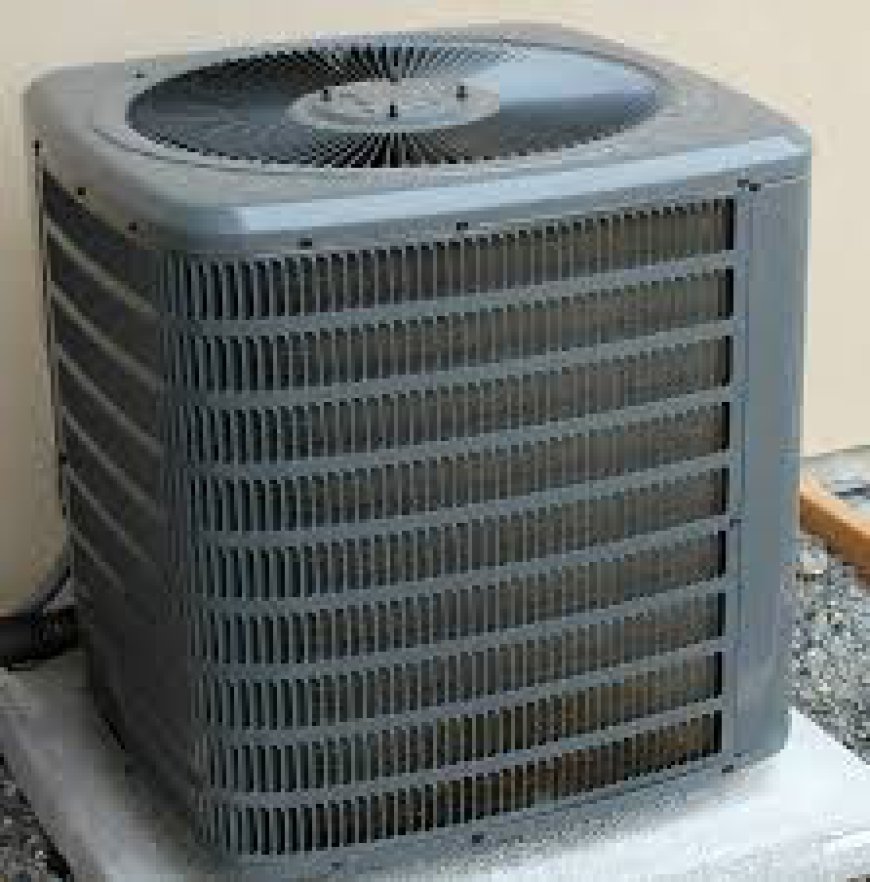
Winter storms in Virginia can arrive quickly and bring freezing temperatures, heavy snow, ice accumulation, and widespread power outages. While most homeowners focus on staying warm, few think about how these extreme conditions affect their HVAC systems. Failing to protect your equipment during a storm can result in costly breakdowns and emergency repairs.
Whether you rely on a furnace or heat pump, taking preventive measures can help you avoid the need for Heating Repair Service Alexandria, Heat Pump Repair Alexandria, HVAC Repair Contractor Alexandria, HVAC Repair Technician Alexandria during the coldest days of the year.
In this guide, we’ll explain how winter storms impact HVAC systems, what steps you can take to protect yours, and when to call a professional.
Why Winter Storms and Power Outages Are Hard on HVAC Systems
Your HVAC system is designed to handle cold weather but not necessarily extreme winter conditions combined with sudden power loss. Storm-related damage often results from:
-
Power surges when electricity is restored
-
Ice buildup around outdoor units
-
Flooding from melting snow
-
Frozen or burst pipes
-
Overworked heating components
Understanding these risks is the first step toward protecting your system and avoiding unexpected HVAC repair costs.
How Power Outages Affect Your Heating System
Power outages can impact both gas furnaces and heat pumps. Even gas-powered systems require electricity to operate blowers, ignition systems, and thermostats.
1. Sudden Shutdown Stress
When power cuts off abruptly, internal components stop mid-cycle. While this may not cause immediate damage, repeated outages can strain electrical parts.
2. Power Surges After Restoration
One of the biggest risks occurs when electricity returns. Voltage spikes can damage:
-
Circuit boards
-
Capacitors
-
Compressors
-
Thermostats
Without surge protection, you may find yourself calling for Heating Repair Service Alexandria, Heat Pump Repair Alexandria, HVAC Repair Contractor Alexandria, HVAC Repair Technician Alexandria sooner than expected.
Protecting Your HVAC System Before a Winter Storm
Preparation is key. Taking preventive action before a storm hits can significantly reduce the risk of system failure.
Install a Surge Protector
A whole-home surge protector safeguards your HVAC system from voltage spikes when power returns. This small investment can prevent major electrical damage.
Clear the Outdoor Unit
For heat pumps and outdoor condensers:
-
Remove leaves and debris
-
Trim nearby branches
-
Cover the unit with a breathable HVAC cover (never plastic)
Avoid wrapping the unit tightly, as this can trap moisture and cause corrosion.
Schedule Pre-Season Maintenance
Routine heating system maintenance ensures your equipment is prepared for heavy winter use. During a service visit, a professional will:
-
Inspect electrical components
-
Test safety controls
-
Check refrigerant levels
-
Clean coils and burners
-
Identify worn parts
Working with a qualified HVAC repair contractor in Alexandria helps prevent breakdowns when you need heat most.
What to Do During a Power Outage
If your home loses power during a winter storm, follow these steps to protect your HVAC system.
Turn Off Your HVAC System
Switch your thermostat to the “off” position. This prevents the system from trying to restart immediately when power is restored, reducing stress on electrical components.
Avoid Using Alternative Heating Sources Improperly
Never use:
-
Outdoor grills
-
Gas ovens
-
Portable propane heaters indoors
These can produce carbon monoxide and create life-threatening hazards.
Keep Your Home Insulated
To retain heat during an outage:
-
Close curtains and blinds
-
Seal drafts with towels
-
Close off unused rooms
-
Add extra layers of clothing
Minimizing heat loss reduces strain on your HVAC system once power returns.
After the Power Comes Back On
When electricity is restored, don’t rush to turn your heating system back on.
Step-by-Step Restart Guide
-
Wait 5–10 minutes before turning your thermostat back on.
-
Set the temperature a few degrees higher than the current room temperature.
-
Listen for unusual noises.
-
Monitor airflow and system performance.
If you notice any of the following, contact an HVAC repair technician in Alexandria immediately:
-
Strange burning smells
-
Loud banging or rattling
-
Weak airflow
-
System short cycling
-
Thermostat malfunction
Prompt attention can prevent more serious damage.
Protecting Heat Pumps in Snow and Ice
Heat pumps are especially vulnerable during winter storms because their outdoor units operate year-round.
Prevent Ice Accumulation
While heat pumps are designed to defrost automatically, excessive ice buildup may signal a problem. To reduce risk:
-
Keep snow cleared at least 18 inches around the unit
-
Avoid chipping ice manually (this can damage coils)
-
Check that the defrost cycle is functioning properly
If ice persists, you may need professional heat pump repair in Alexandria to restore safe operation.
Common Winter HVAC Problems
Storms and outages can trigger several heating issues:
-
Frozen evaporator coils
-
Damaged blower motors
-
Electrical board failure
-
Cracked heat exchangers
-
Refrigerant leaks
If your system struggles after a storm, don’t ignore warning signs. Calling a trusted HVAC repair contractor in Alexandria ensures a proper diagnosis and safe repair.
The Importance of Professional HVAC Inspections
Many winter-related HVAC issues are preventable with regular inspections. An experienced HVAC repair technician in Alexandria can:
-
Test electrical connections
-
Check system efficiency
-
Ensure safe venting
-
Inspect ductwork
-
Recommend energy-efficient upgrades
Professional service not only protects your equipment but also improves energy efficiency and lowers heating costs.
For reliable heating and cooling solutions in Northern Virginia, visit: AVS Heating and Air Conditioning
Additional Winter HVAC Protection Tips
Beyond storm preparation, consider these long-term strategies:
Install a Smart Thermostat
Smart thermostats help regulate temperatures more efficiently and allow remote monitoring during outages.
Consider a Backup Generator
A whole-home generator keeps essential systems running during prolonged outages, protecting both comfort and HVAC components.
Upgrade Older Systems
If your system is more than 15 years old, it may be more vulnerable to winter stress. Modern energy-efficient HVAC systems are built with improved durability and safety features.
Frequently Asked Questions
How long should I wait to turn my HVAC back on after a power outage?
Wait at least 5–10 minutes after power restoration before restarting your system to reduce electrical stress.
Can snow damage my outdoor HVAC unit?
Yes. Heavy snow and ice can block airflow and damage internal components if not cleared properly.
Do I need professional service after every power outage?
Not necessarily. However, if you notice unusual performance, noises, or odors, contact a licensed professional for inspection.
Is surge protection really necessary?
Yes. Power surges are one of the most common causes of HVAC electrical damage after storms.
Stay Prepared and Protect Your Comfort
Winter storms and power outages are unpredictable—but HVAC damage doesn’t have to be. With proper preparation, routine maintenance, and smart post-outage practices, you can extend the life of your system and avoid costly repairs.
If you experience issues during or after a storm, trusted experts offering Heating Repair Service Alexandria, Heat Pump Repair Alexandria, HVAC Repair Contractor Alexandria, HVAC Repair Technician Alexandria can restore your comfort safely and efficiently.
Protecting your HVAC system isn’t just about preventing breakdowns—it’s about ensuring your home stays warm, safe, and energy-efficient all winter long.