Why Rapid Food Testing Is Becoming Essential for Modern Food Safety
Learn how rapid food testing improves food safety, speeds contamination detection, and supports quality across modern food supply chains.
 Marketinsights
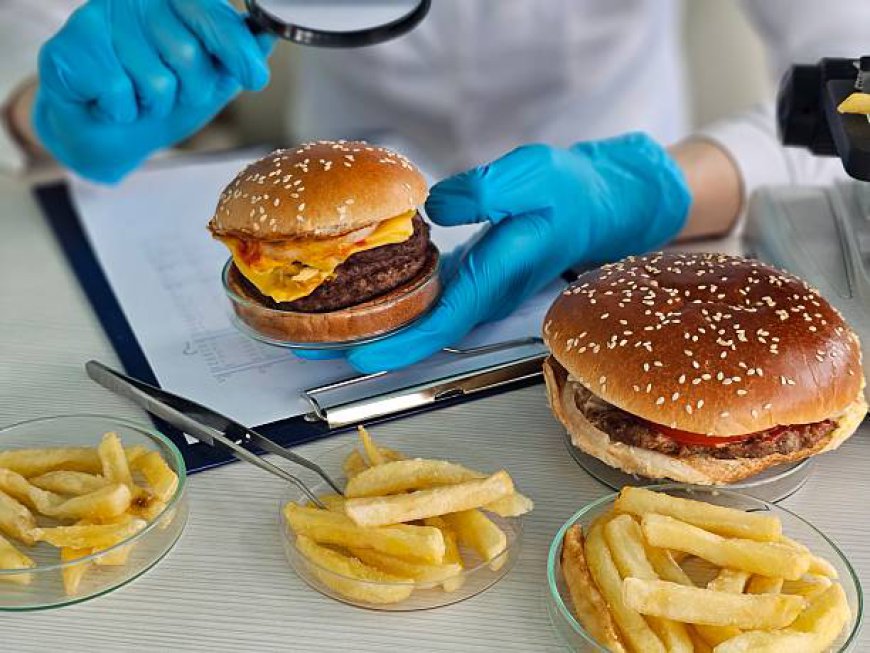
Food safety has become a global priority as food supply chains grow more complex and consumers demand greater transparency about the products they purchase. Traditional laboratory testing remains an important part of food quality assurance, but the time required to obtain results can delay production, distribution, and corrective actions. Rapid food testing addresses this challenge by providing faster detection of contaminants while helping manufacturers maintain product quality and regulatory compliance.
According to a recent MarkNtel Advisors study, the rapid food testing industry is evolving with increasing adoption of advanced analytical technologies across food manufacturing, retail, and regulatory agencies. Readers interested in detailed industry segmentation and technology trends can explore this rapid food testing report for additional insights. The growing emphasis on food safety is also supported by international organizations such as the World Health Organization (WHO), which estimates that unsafe food causes hundreds of millions of illnesses globally each year, reinforcing the importance of effective food testing systems. Source: World Health Organization (WHO), Food Safety.
What Is Rapid Food Testing?
Rapid food testing refers to analytical methods designed to detect biological, chemical, or physical contaminants in food within a significantly shorter timeframe than conventional laboratory techniques. These tests can identify pathogens, allergens, pesticide residues, veterinary drug residues, heavy metals, and other substances that may affect food safety.
Modern testing technologies include polymerase chain reaction (PCR), immunoassays, biosensors, spectroscopy, and next generation sequencing. These tools enable faster decision making without compromising analytical accuracy, allowing food producers to respond quickly when potential contamination is detected.
Why Faster Testing Matters
Food manufacturers operate under strict quality standards while managing high production volumes and increasingly complex supply chains. Waiting several days for laboratory results may delay shipments or increase the risk of contaminated products entering the market.
Rapid testing enables manufacturers to verify product safety during different stages of production, reducing operational disruptions and supporting faster product release. It also helps minimize food waste by allowing quicker quality assessments before products reach consumers.
Regulatory agencies continue to strengthen food safety frameworks to improve traceability and contamination prevention. Organizations such as the U.S. Food and Drug Administration (FDA) emphasize preventive controls and modern food traceability practices that encourage more efficient testing throughout the supply chain.
Technology Is Transforming Food Safety
Digital technologies are enhancing the effectiveness of rapid food testing. Artificial intelligence, automation, and data analytics are helping laboratories process larger sample volumes while improving consistency and reducing human error. Portable testing devices are also expanding the ability to perform on site analysis at food processing facilities, farms, and distribution centers.
These innovations support continuous monitoring rather than relying solely on end product inspections. Faster access to reliable testing results enables businesses to identify risks earlier and implement corrective actions more efficiently.
Growing Importance Across the Food Industry
Rapid food testing is increasingly used across dairy products, meat and seafood, processed foods, fruits, and vegetables. Food manufacturers, retailers, testing laboratories, and government agencies all rely on rapid analytical methods to strengthen quality assurance programs and meet evolving regulatory requirements.
As global food systems continue to expand, the ability to detect contamination quickly will remain an essential component of public health protection. Industry research, including this industry growth study, highlights the continued focus on advanced testing technologies that improve food safety while supporting efficient production processes.
The Food and Agriculture Organization (FAO) also recognizes that effective food control systems and scientific testing play a critical role in protecting consumers and facilitating international food trade. Source: Food and Agriculture Organization of the United Nations (FAO), Food Safety.