Why Mississauga Businesses Are Getting Serious About Security in 2026
Security is not a checkbox. It requires finding the right company, asking the right questions, and not making the decision based on price alone.
 secureshields25

Mississauga has grown fast. Office towers, industrial parks, retail corridors along Hurontario and Dundas, condo towers going up every few years — the city has the density of a major urban centre without always having the security infrastructure to match.
Commercial break-ins, retail theft, trespassing, workplace safety incidents — most of this doesn't make headlines. It just quietly costs businesses money. And it happens more often than people want to admit.
If you run a business here, you've probably thought about hiring a security company at some point. The question that stops most people isn't whether they need security — it's which company, and what exactly they're paying for.
The Mississauga Context
This city isn't a small town. It's 700,000 people with significant commercial density — the Square One corridor, the Airport Corporate Centre, industrial zones in the east end, a construction boom that shows no signs of stopping.
Retail theft is a real problem. The Retail Council of Canada has reported that organized retail crime costs Canadian retailers billions annually, and high-traffic areas like Mississauga shopping nodes are targets. Construction site theft is worse than most people know — copper wiring, tools, materials — one overnight event can run a site tens of thousands of dollars. Condo boards are adding security concierge services not just because it improves safety, but because tenants now expect it.
The point is: security needs in Mississauga aren't hypothetical. They're industry-specific and location-specific, and a generic approach doesn't serve most businesses well.
What You're Actually Paying For
A security guard isn't just a presence at a desk. If that's all you're getting, you've hired the wrong company.
Visible deterrence works. A uniformed guard changes the calculation for opportunistic crime — most petty theft and trespassing is deterred by the presence alone, before anything happens. That prevention rarely shows up in a report, which is partly why businesses undervalue it.
Access control is where a lot of businesses get sloppy. Monitoring who enters and leaves, checking credentials, keeping visitor logs — this matters far more than most owners recognize until something goes wrong and they have no record of who was on site.
Mobile patrol is worth understanding if you have a larger property, warehouse, or multi-building operation. Roving guards introduce unpredictability. Fixed cameras can't do that.
Documentation matters in ways that aren't obvious until you need it. When something happens — theft, an injury, a liability claim — what gets written in the guard's report that night is what you'll be working from in an insurance or legal proceeding. Guards who write sloppy reports, or no reports, create real problems later.
The Mississauga Security Market Is Crowded
There are national firms — Securitas, G4S, Paladin Security — with broad resources and recognizable names. There are regional operators. There are smaller local companies that focus on specific industries or parts of the city.
More options means more variance in quality. Evaluating them is not complicated, but most businesses skip the steps that matter.
Licensing comes first. In Ontario, all security guards must be licensed under the Private Security and Investigative Services Act. Any company that can't immediately confirm this is done. Non-negotiable.
Ask about training beyond the minimum. The provincial minimum is 40 hours. That's not a lot. Some companies stop there; others invest in conflict resolution, first aid, and industry-specific protocols. Ask what guards receive beyond licensing, and ask for specifics, not a general answer about commitment to excellence.
Get concrete numbers on response times. For mobile patrol or emergency response, "we respond quickly" is not an answer. Ask what the actual SLA is and whether it's in writing.
Find out how supervision works. How often do supervisors check on deployed guards? What happens if a guard doesn't show up for a shift? Who covers, how fast, and who tells you?
Ask for references from businesses like yours. A company that's good at condo security may not understand a manufacturing facility. The industries aren't the same.
Price Shopping Security Is a Bad Strategy
The cheapest security guard in Mississauga is usually cheap for a reason. High turnover, minimal training, poor supervision. In the worst cases, you're paying for the appearance of security — which creates a false sense of protection that may actually make things worse than having no guard at all.
Proper security costs more. Guards who are trained, supervised, professionally presented, and accountable don't come at the bottom of the market. But they also do the job.
The right calculation isn't what the monthly rate is. It's what a break-in costs, what a liability incident costs, what a workplace injury costs — versus the cost of doing this properly. For most businesses, that math isn't even close.
What Long-Term Trust Actually Looks Like
Security is a relationship. The company you hire will have access to your property, your staff, sometimes your customers. That deserves more evaluation than most businesses give it.
Companies worth keeping over time do a few things consistently: they send incident reports without being chased for them; they retain guards long enough that those guards actually know your property; they tell you when something went wrong instead of burying it.
Staff turnover is a real signal. A guard who's been on your site for two years knows every corner of the building and every recurring issue. A guard who's been there two weeks is still learning the layout. High turnover isn't just an inconvenience — it's a security gap.
What the Process Should Look Like
If you're looking into security guard services in Mississauga, a serious company starts with a site assessment — walking your property, looking at entry points, lighting, existing cameras, traffic patterns, and the specific risks of your industry.
From that, you should get a written proposal with clear scope: number of guards, hours, specific duties, reporting frequency, response protocols. If the proposal is vague, the service will be vague.
There's always a transition period when starting with a new security provider. Guards need to learn the site. Supervisors need to calibrate patrol schedules. A few weeks before things run at full effectiveness is normal. What's not normal is a company that deploys and then goes silent — no check-ins, no review of incident logs, no adjustment over time.
Why Local Focus Matters
Large national firms have resources and name recognition. They also have account managers juggling dozens of clients and guards rotating through sites they've never seen before.
A company focused on Mississauga knows the local context — how Peel Regional Police responds to different types of incidents, where the highest-risk periods fall around specific commercial corridors, what the real vulnerabilities look like for industrial properties near the airport versus retail on the Lakeshore.
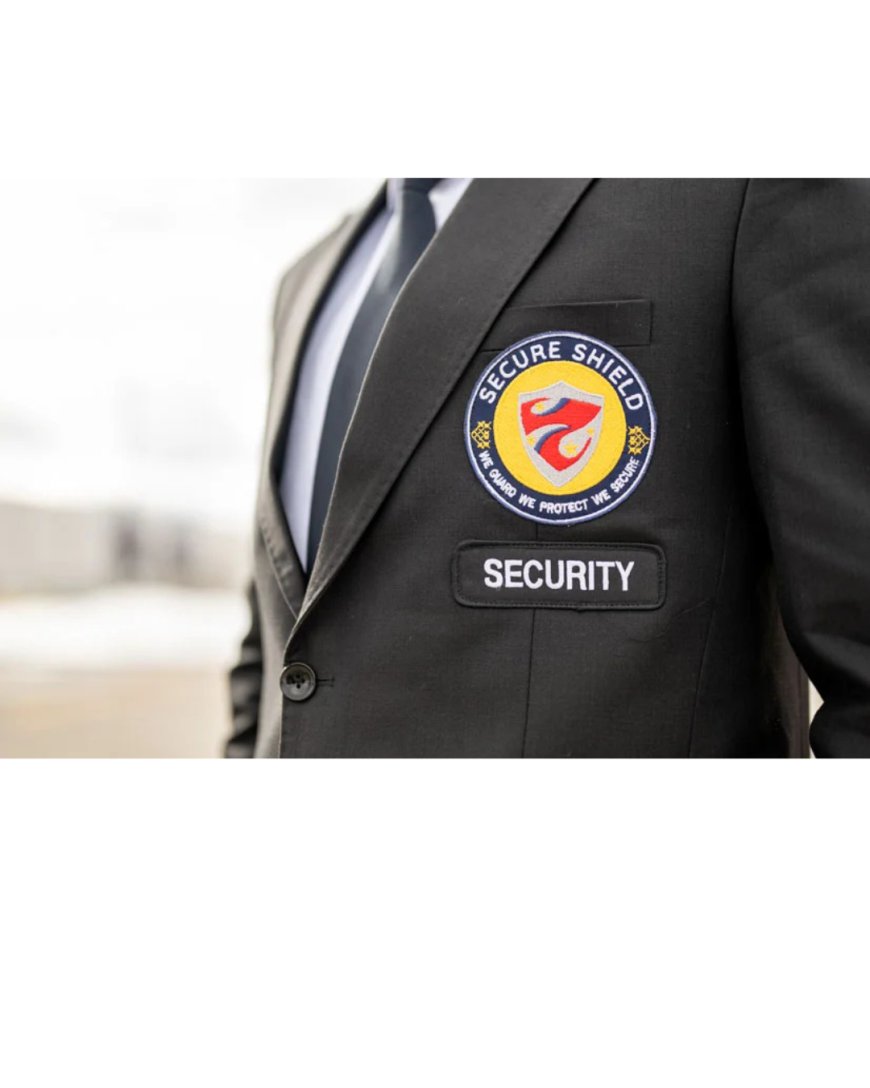
Secure Shield Security operates this way. This isn't a national company treating Mississauga as one account among hundreds. The focus is local, the knowledge is specific, and the guards are familiar with the city they're working in.
Before You Sign Anything
Security is not a checkbox. It requires finding the right company, asking the right questions, and not making the decision based on price alone.
Ask about licensing. Ask about training. Ask how supervision actually works. Get references from businesses that look like yours. Read the proposal before you sign it.
If you want an honest conversation about what security looks like for your specific property or operation — no pressure, no pitch — reach out and we'll tell you what you actually need.