Signs You Might Need Root Canal Treatment
 anoushasyed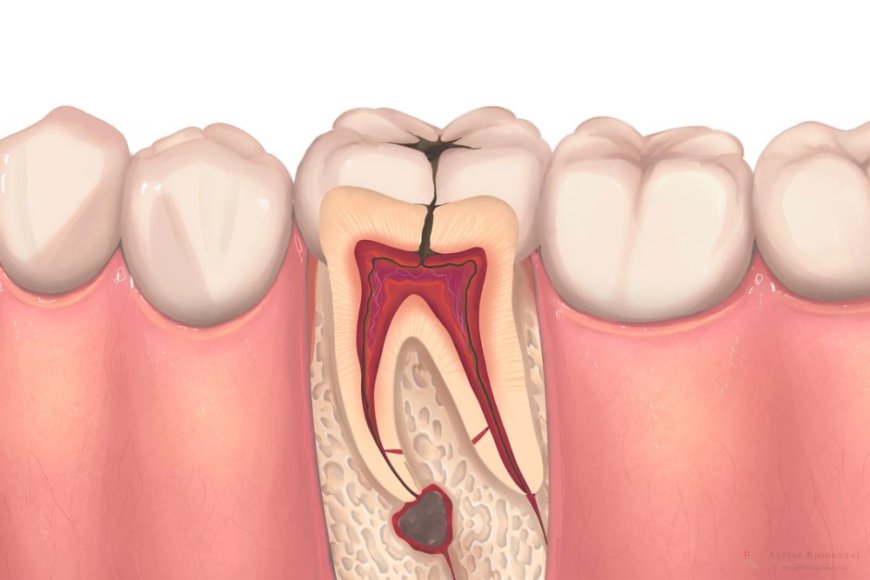
Root canal treatment is a common dental procedure that helps save teeth when the inner pulp becomes infected or damaged. Recognizing the signs early can prevent further complications and preserve oral health. Understanding Root Canal Treatment in Dubai these indicators can guide individuals to seek timely dental care.
Persistent Tooth Pain
Tooth pain that does not subside is one of the most common signs that a root canal may be necessary. The discomfort often starts as a mild ache and can progress to a severe, throbbing sensation. Pain may worsen when biting, chewing, or even applying pressure to the tooth. In some cases, the pain may radiate to the jaw, ear, or head, signaling deeper issues within the tooth pulp.
Sensitivity to Temperature
Heightened sensitivity to hot or cold foods and beverages often indicates that the inner nerves of a tooth are compromised. Individuals may notice sharp pain when consuming something hot like tea or cold like ice cream. This sensitivity can linger even after the food or drink is removed, suggesting that the pulp is inflamed or infected and may require root canal intervention.
Swelling and Tenderness
Swelling around the affected tooth, gums, or face can signal an infection. This inflammation may be accompanied by tenderness when touching the area. Swelling is the body’s natural response to fight infection, and persistent swelling near a tooth can indicate that bacteria have reached the pulp. Ignoring these symptoms can lead to further complications, making prompt treatment essential.
Discoloration of the Tooth
A tooth that becomes darkened or discolored over time can be a warning sign of pulp damage. Discoloration may appear as a gray, brown, or black hue and is often associated with internal bleeding or death of the pulp tissue. While a single discolored tooth may not always require treatment, a noticeable change combined with other symptoms warrants professional assessment for a potential root canal.
Gum Changes
Changes in the gums around a tooth can indicate underlying problems that may require root canal treatment. Gums may appear red, swollen, or develop small bumps known as abscesses. These changes often accompany pain or tenderness and signal that infection has reached the area surrounding the tooth root. Paying attention to gum health can help detect issues before they become more serious.
Loosening of the Tooth
A tooth that feels loose or unstable may be experiencing structural damage caused by infection or decay affecting the pulp. This can occur gradually as the infection weakens the supporting tissues around the tooth. While other factors can also cause tooth mobility, when combined with pain, sensitivity, or swelling, it often points toward the need for a root canal.
Persistent Bad Breath or Unpleasant Taste
An ongoing bad taste in the mouth or persistent bad breath may indicate a dental infection. Bacteria trapped inside a tooth can produce odor and unpleasant flavors that are difficult to manage with routine brushing or mouth rinses. This symptom, particularly when paired with pain or swelling, is a warning sign that the pulp is compromised and may require treatment.
Pain When Chewing
Discomfort while chewing food, especially when biting down on a specific tooth, can be a strong indicator that the pulp is affected. The pressure applied during chewing can aggravate inflammation or infection inside the tooth, leading to sharp, sudden pain. Recognizing this symptom early allows for timely intervention to prevent further deterioration.
Recurrent Infections
A history of recurring infections in the mouth, particularly around a single tooth, may suggest that the pulp is persistently compromised. Repeated abscesses or swelling near the tooth are signs that bacteria have repeatedly invaded the root canal system. Addressing these issues with a root canal can stop the cycle of infection and preserve the tooth’s function.
Changes in Bite Alignment
Shifts in how teeth come together or noticeable discomfort while closing the mouth can indicate underlying dental issues. An infected tooth may alter the way adjacent teeth interact, causing uneven pressure or misalignment. These subtle changes, when combined with other warning signs, should prompt an evaluation for potential root canal treatment.
FAQs
How soon should someone seek treatment after noticing these signs?
It is advisable to seek dental evaluation promptly once symptoms such as persistent pain, sensitivity, or swelling are noticed. Early intervention can save the tooth and prevent further complications.

Can root canal treatment save a tooth that feels loose?
Yes, in many cases, a root canal can eliminate infection and stabilize the tooth, preserving it and restoring function.
Is discoloration alone a reason for treatment?
Discoloration without pain or other symptoms may not always require intervention, but it is important to have a dental professional assess the tooth to rule out underlying issues.
What is the risk of delaying treatment?
Delaying treatment can allow infection to spread, potentially affecting surrounding teeth and tissues, leading to more complex dental procedures.
Root Canal Treatment Dubai is an effective solution for addressing infected or damaged tooth pulp. Recognizing the early warning signs such as persistent pain, sensitivity to temperature, swelling, discoloration, gum changes, and difficulty chewing can help individuals seek timely care. Paying attention to oral health and addressing issues promptly ensures that natural teeth are preserved and overall dental function is maintained. Early detection and intervention are key to preventing more serious complications, making awareness of these signs crucial for maintaining long-term oral health.