Steer-by-Wire System Market Evolution and Technical Progression by 2031
The steer-by-wire system market involves replacing mechanical steering components with electronic controls to enhance vehicle design and safety. This digital transition is a fundamental step toward the widespread adoption of autonomous driving and high performance electric vehicles.
 raj sinha
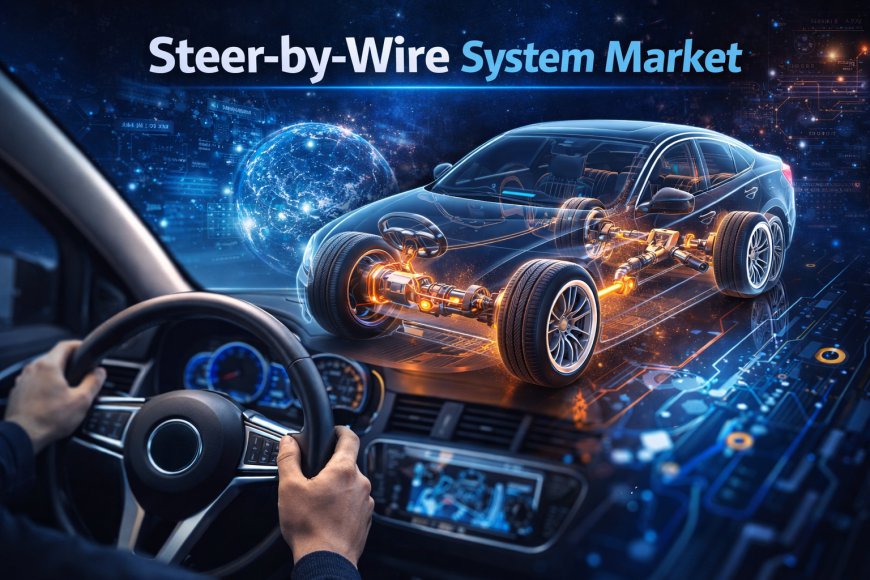
The Steer-by-Wire System Market is undergoing a significant transformation as the automotive industry moves away from traditional mechanical linkages toward electronic control interfaces. This technology replaces the physical connection between the steering wheel and the road wheels with a system of sensors, actuators, and electronic control units. By utilizing electrical signals to transmit steering commands, the steer-by-wire system market offers vehicle manufacturers greater flexibility in cabin design and improved safety features. This transition is largely driven by the increasing integration of advanced driver assistance systems and the global shift toward autonomous vehicle development, where mechanical steering columns can be an obstacle to interior modularity.
Report Scope and Industry Analysis
Understanding the breadth of this technological shift requires a detailed look at the Steer-by-Wire System Market Scope which encompasses passenger cars, commercial vehicles, and the emerging segment of autonomous shuttles. The analysis explores how electronic interfaces are replacing hydraulic and mechanical components across various weight classes. Manufacturers are focusing on how these systems integrate with electronic stability control and automated braking to create a unified safety chassis. By examining the current production trends, it becomes evident that the transition is not merely about removing a metal rod but about redesigning the entire interaction between the driver and the vehicle.
The Shift Toward Electronic Control Systems
Modern automotive engineering is prioritizing weight reduction and space optimization. Traditional steering setups require a heavy steering column that must be positioned precisely to connect the driver to the front axle. In contrast, electronic steering systems allow for a completely decoupled arrangement. This means the steering wheel can be placed anywhere in the cabin or even tucked away when the vehicle is in self-driving mode. This flexibility is a primary reason why the industry is gaining traction among electric vehicle manufacturers who seek to maximize battery space and interior comfort.'
Download Sample PDF:https://www.theinsightpartners.com/sample/TIPRE00006344
Safety Enhancements and Occupant Protection
Beyond physical space, the removal of the steering column enhances driver safety. In the event of a high-speed collision, a rigid steering shaft can pose a significant risk of injury to the occupant. By eliminating this metal rod, engineers can design safer crumple zones and reduce the likelihood of cabin intrusion. Furthermore, the electronic nature of these systems allows for variable steering ratios, meaning the car can adjust how much the wheels turn based on the vehicle speed without the driver needing to exert more effort. This adaptive technology helps in maintaining stability during sudden maneuvers or high-speed highway cruising.
Technological Components and Feedback Mechanisms
A critical aspect of these systems is the feedback actuator located at the steering wheel. Since there is no longer a physical connection to the road, drivers might lose the feel of the pavement, which is essential for safe maneuvering. To solve this, sophisticated motors are used to simulate road resistance and vibrations, providing a realistic steering experience. On the other hand, the road actuator at the wheels receives signals from the control unit to execute the turn. This dual-actuator setup ensures that the driver maintains a sense of control while the computer manages the precision of the movement.
Redundancy and System Reliability
Reliability is another vital factor in the development of these electronic systems. Because a failure in the electrical circuit could lead to a loss of steering control, manufacturers implement multiple backup power sources and secondary communication channels. This fail-safe architecture is a cornerstone of the industry, ensuring that even if one sensor or motor fails, the vehicle remains steerable and safe for all occupants. The use of high-speed data protocols ensures that there is no detectable lag between the driver turning the wheel and the tires responding on the asphalt.
Key Players in the Global Industry
The competitive landscape of this industry involves several Tier one suppliers and technology firms focusing on software integration and high-performance actuators. These companies are investing heavily in research and development to refine the haptic feedback and latency issues associated with early versions of electronic steering.
-
JTEKT Corporation
-
Nexteer Automotive
-
Thyssenkrupp AG
-
ZF Friedrichshafen AG
-
NSK Ltd
-
Mando Corporation
-
Danfoss
-
Robert Bosch GmbH
-
Continental AG
-
Schaeffler AG
Market Dynamics and Regional Adoption
Geographically, the adoption of these systems varies based on local regulations and the concentration of premium vehicle manufacturers. Europe and North America are currently leading the way due to the high presence of luxury car brands that often debut new technologies. However, the Asia Pacific region is expected to show rapid growth as China and Japan accelerate their production of electric and intelligent vehicles. The lower complexity of assembly and the reduction in mechanical parts make these systems attractive for mass-production environments once the costs of electronic components begin to stabilize.
Environmental Impact and Sustainability
The environmental impact of this technology also supports its growth. By removing heavy mechanical components, the overall weight of the vehicle is reduced, which directly contributes to better fuel efficiency in internal combustion engines and extended range for electric vehicles. Additionally, the elimination of hydraulic fluids in steering systems reduces the environmental footprint of vehicle maintenance and end-of-life recycling. This aligns with global initiatives to create cleaner and more sustainable transportation solutions.
Future Outlook
The future of the industry looks promising as the sector marches toward full vehicle automation and software-defined architectures. As level four and level five autonomous driving technologies become more prevalent, the need for a physical connection to the wheels will become obsolete for many transport applications. We can expect to see more steering wheels that can fold into the dashboard and systems that allow for four-wheel independent steering, providing unparalleled maneuverability in urban environments. The integration of artificial intelligence will further refine how these systems react to road conditions, making the driving experience safer, smoother, and more customizable for every individual user.
Related Reports:
About Us
The Insight Partners is a leading global market research and consulting firm specializing in delivering actionable insights across various industries. Our research reports combine extensive primary and secondary research to provide accurate market intelligence, helping businesses make informed strategic decisions. The company provides detailed analysis on emerging technologies, market trends, competitive landscapes, and growth opportunities across sectors including technology, healthcare, manufacturing, and energy.
Contact Us
The Insight Partners
Phone: +1-646-491-9876
Email: sales@theinsightpartners.com
Website: https://www.theinsightpartners.com