Step By Step Guide To Build Your Multi Chain Crypto Wallet
Explore multichain crypto wallets, their features, benefits, and how they simplify secure asset management across multiple blockchains.
 stevejohnson
As the blockchain ecosystem continues to expand, users are no longer limited to a single network like Bitcoin or Ethereum. Today, people interact with multiple blockchains for trading, staking, NFTs, DeFi, and Web3 applications. This is where a multichain crypto wallet becomes essential.
A multichain crypto wallet is a digital wallet designed to support assets across multiple blockchain networks in one place. Instead of managing separate wallets for different chains, users can store, send, receive, and manage various cryptocurrencies and tokens through a single interface. This makes asset management easier, faster, and more convenient for both beginners and experienced crypto users.
These wallets are built to improve accessibility and flexibility in the decentralized ecosystem. They often include advanced security measures such as PIN protection, passphrases, biometric login, encryption, and backup recovery options, helping users keep their digital assets protected. With the ability to switch between networks smoothly, multichain wallets play a major role in making Web3 more connected and user-friendly.
Multichain Crypto Wallet Development
Multichain crypto wallet development focuses on building secure, scalable, and feature-rich wallet solutions that support multiple blockchain ecosystems. A professionally developed wallet can go far beyond basic storage and transfers. It can also include features like cross-chain token swaps, staking support, NFT management, portfolio tracking, and integration with decentralized applications.
Businesses entering the blockchain space need wallet solutions that deliver both functionality and interoperability. A well-developed multichain wallet helps users manage assets across different networks without friction, improving the overall user experience. It also supports the growing demand for Web3 compatibility by allowing seamless interaction with DeFi platforms, NFT marketplaces, and blockchain-based services.
At Hivelance, our multichain crypto wallet development solutions are designed to help businesses launch reliable and future-ready wallet platforms. From consultation and planning to development and deployment, our team focuses on building secure and user-centric wallets that simplify crypto asset management across multiple blockchain networks.
How Does a Multichain Crypto Wallet Work?
A multichain crypto wallet works by connecting to different blockchain networks through their respective nodes or network protocols. This allows users to access and manage assets on multiple chains from a single wallet interface.
When a wallet supports more than one blockchain, it can generate and manage wallet addresses for each supported network while keeping the user experience unified. Depending on the wallet architecture, users may manage multiple assets using one recovery phrase or private key system. The wallet also enables communication with decentralized applications across supported chains, allowing users to interact with DeFi platforms, NFT ecosystems, and other Web3 services.
In simple terms, a multichain wallet acts as a central gateway for handling digital assets across various blockchain environments without forcing users to move between multiple wallet apps.
Are Multichain Crypto Wallets Safe to Use?
Yes, multichain crypto wallets can be safe when they are developed with strong security standards and used correctly by the wallet owner. Security features in a multichain wallet depends on both the wallet’s built-in protections and the user’s ability to safeguard access credentials.
Modern multichain wallets usually include security features such as two-factor authentication, biometric verification, PIN access, encrypted private key storage, seed phrase backup, and recovery options. Non-custodial wallets give users full control over their private keys, which adds privacy and ownership but also means the user is responsible for protecting recovery information.
A secure multichain wallet should also be regularly updated, audited, and designed to prevent unauthorized access. When built properly, it can offer a safe and efficient way to manage crypto across multiple blockchain ecosystems.
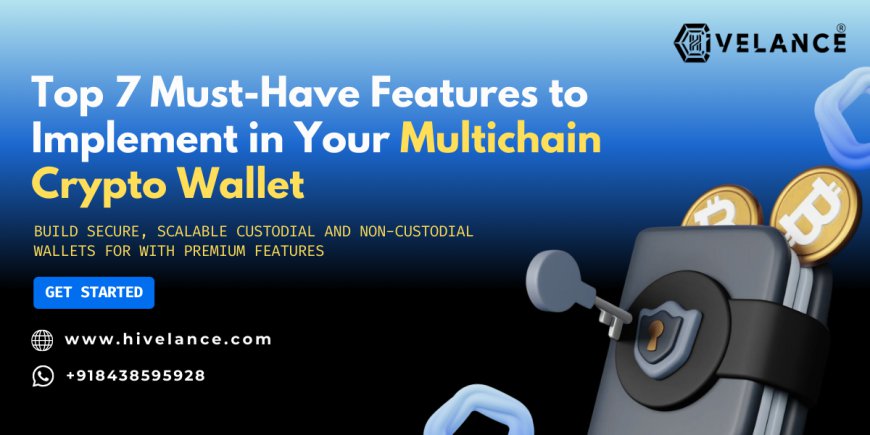
Top 7 Must-Have Features in a Multichain Crypto Wallet
1. Cross-Chain Swaps and Bridge Integration:
One of the most valuable features in a multichain crypto wallet is the ability to transfer assets between different blockchains. Built-in cross-chain swaps and bridge support allow users to move tokens without depending on separate third-party platforms. This improves convenience, reduces complexity, and creates a smoother transaction experience.
2. User-Friendly Interface:
No matter how advanced the technology is, the wallet must remain easy to use. A simple and intuitive interface helps users navigate between networks, track transactions, scan QR codes, monitor portfolios, and manage assets without confusion. A responsive design across mobile, desktop, and web platforms is also important for accessibility.
3. Support for Multiple Blockchain Networks:
The core purpose of a multichain wallet is to support a wide range of blockchain ecosystems. This allows users to hold, send, and receive different cryptocurrencies and tokens in one wallet instead of juggling separate applications for each chain.
4. Real-Time Market Data and Alerts:
Live price tracking, portfolio value updates, and transaction notifications help users stay informed at all times. Real-time data makes it easier to monitor market movements, review wallet activity, and respond quickly to important events.
5. DeFi and DApp Connectivity:
A modern multichain wallet should provide direct access to decentralized finance platforms and decentralized applications. This includes support for staking, yield farming, NFT management, token governance, and seamless wallet connection to Web3 platforms.
6. Advanced Security Features:
Security is one of the most critical elements of wallet development. Features such as multi-signature support, biometric authentication, two-factor authentication, strong encryption, non-custodial key management, seed phrase backup, and recovery tools help protect user funds and reduce risk.
7. Transaction Fee Optimization:
Gas fees can vary significantly across blockchain networks. Smart fee estimation and optimization tools help users choose efficient transaction times and lower-cost routes. This feature improves cost management and delivers a better wallet experience.
Why Multichain Wallets Matter in Web3
As blockchain technology evolves, users expect greater interoperability between networks. Multichain wallets help solve this challenge by creating a single access point for assets and applications across multiple chains. They reduce friction, improve convenience, and make it easier for users to participate in the broader Web3 ecosystem.
For businesses, launching a multichain wallet means meeting the growing demand for flexible digital asset solutions. It also opens opportunities to serve traders, investors, NFT collectors, and DeFi users through one unified platform.
Final Thoughts
A multichain crypto wallet is no longer just a useful feature in the crypto industry — it is becoming a necessity. With support for multiple blockchains, stronger interoperability, and access to DeFi, DApps, NFTs, and cross-chain transactions, multichain wallets are shaping the future of digital asset management.
To stay competitive in 2025 and beyond, businesses need wallet solutions that are secure, scalable, and built around the needs of modern crypto users. At Hivelance, we provide advanced crypto wallet development services to help businesses launch powerful multichain wallet solutions with the features needed for the next generation of blockchain applications.
Know More:
Visit – https://www.hivelance.com/cryptocurrency-wallet-development
WhatsApp - +918438595928
Telegram - Hivelance
Mail - sales@hivelance.com
Get Free Demo - https://www.hivelance.com/contact-us