What Residents Should Know About Accessing Emergency Medical Care at Any Hour in Pearland, Texas
Access to immediate medical care can make the difference between life and death. In growing cities like Pearland, Texas, having reliable emergency medical services available at all hours is essential for residents, commuters, and nearby communities
 johnkay1998123
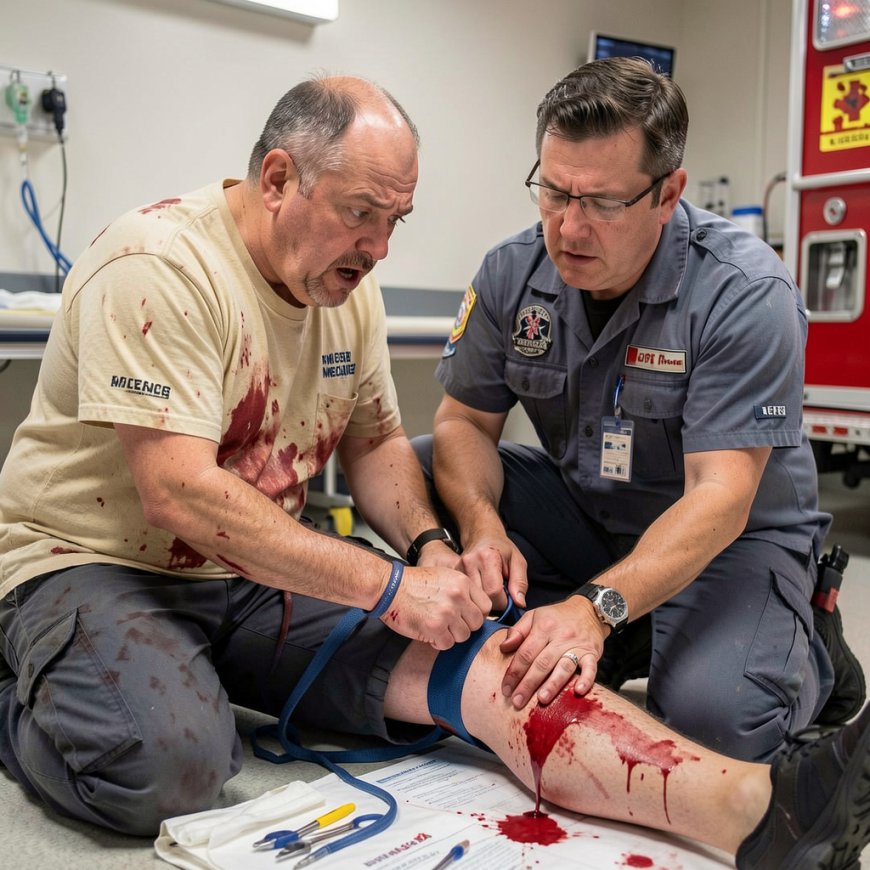
Access to immediate medical care can make the difference between life and death. In growing cities like Pearland, Texas, having reliable emergency medical services available at all hours is essential for residents, commuters, and nearby communities. Medical emergencies do not follow a schedule. Whether it is a severe injury, chest pain, high fever, or sudden breathing difficulty, people must be able to receive professional care quickly.
Pearland has experienced significant population growth over the last decade. According to the U.S. Census Bureau, Pearland’s population has surpassed 125,000 residents, making it one of the fastest-growing cities in the Houston metropolitan area. With this growth comes increased demand for accessible healthcare facilities, particularly emergency care centers that operate around the clock.
This guide explains how emergency rooms operate, when you should seek emergency care, what services are typically available, and how Pearland residents can make informed decisions when a medical emergency occurs.
Why Around-the-Clock Emergency Care Matters
Medical emergencies can happen at any time of the day or night. Conditions such as strokes, heart attacks, traumatic injuries, and severe infections require immediate evaluation and treatment.
The Centers for Disease Control and Prevention (CDC) reports that the United States records more than 130 million emergency department visits every year. A large portion of these visits occur outside normal clinic hours, highlighting the importance of facilities that remain open 24 hours a day.
When emergency care is available at all hours, patients benefit from:
-
Immediate medical evaluation
-
Access to diagnostic imaging and lab testing
-
Rapid treatment for life-threatening conditions
-
Shorter wait times compared to delayed care
-
Improved patient outcomes
In rapidly expanding communities like Pearland, consistent access to emergency care helps reduce the burden on regional hospitals while ensuring residents receive timely treatment.
Understanding How Emergency Rooms Work
Emergency rooms are designed to treat patients with urgent and life-threatening medical conditions. Unlike primary care clinics or urgent care centers, emergency departments are equipped to handle critical situations that require immediate intervention.
When a patient arrives, the first step is triage. During triage, medical professionals assess the severity of the patient’s condition. This process ensures that individuals with the most critical medical issues receive treatment first.
Emergency rooms typically provide services such as:
-
Advanced cardiac monitoring
-
Trauma care
-
Diagnostic imaging including CT scans and X-rays
-
Laboratory testing
-
Emergency medications and procedures
-
Stabilization before hospital admission if necessary
Emergency physicians, nurses, radiology technicians, and laboratory staff work together to diagnose and treat patients quickly and efficiently.
Common Medical Emergencies Treated in Pearland
Emergency facilities in Pearland treat a wide variety of medical conditions. Some of the most common reasons patients seek emergency care include injuries, sudden illnesses, and complications from chronic health conditions.
Chest Pain and Heart Problems
Heart disease remains the leading cause of death in the United States. According to the American Heart Association, someone in the country experiences a heart attack approximately every 40 seconds.
Symptoms that require immediate emergency evaluation include:
-
Chest pressure or tightness
-
Pain spreading to the arm, neck, or jaw
-
Shortness of breath
-
Sudden sweating or dizziness
Prompt treatment significantly improves survival rates and reduces long-term damage to the heart.
Stroke Symptoms
A stroke occurs when blood flow to the brain is blocked or when a blood vessel ruptures. Quick treatment is essential because brain cells begin to die within minutes.
The American Stroke Association recommends remembering the acronym FAST:
-
Face drooping
-
Arm weakness
-
Speech difficulty
-
Time to call emergency services
Emergency rooms are equipped with CT scanners that help physicians quickly determine whether a patient is experiencing a stroke.
Severe Injuries and Accidents
Pearland is located near major highways such as State Highway 288 and Beltway 8, which means vehicle accidents are a common reason for emergency visits.
Serious injuries treated in emergency rooms include:
-
Broken bones
-
Head trauma
-
Internal bleeding
-
Deep cuts requiring stitches
-
Burns and severe wounds
Rapid treatment prevents complications and helps stabilize patients before further care.
Respiratory Distress
Conditions such as asthma attacks, severe allergic reactions, and pneumonia can cause difficulty breathing.
According to the Asthma and Allergy Foundation of America, over 25 million Americans live with asthma, and severe attacks can become life-threatening without quick treatment.
Emergency rooms provide oxygen therapy, breathing treatments, and medications to stabilize respiratory conditions.
Key Features of Modern Emergency Facilities
Emergency rooms today are designed with advanced medical technology and specialized teams to ensure patients receive fast and accurate care.
Some important features include:
On-Site Diagnostic Imaging
Diagnostic imaging plays a critical role in emergency medicine. Physicians rely on imaging to detect internal injuries, fractures, bleeding, and infections.
Common imaging technologies include:
-
CT scans
-
Digital X-rays
-
Ultrasound imaging
-
MRI in some advanced facilities
Quick access to imaging reduces diagnostic delays and helps physicians determine the best treatment plan.
Fully Equipped Laboratories
Emergency facilities typically have on-site laboratories that perform tests such as:
-
Blood analysis
-
Infection screening
-
Cardiac enzyme tests
-
Toxicology screening
Fast lab results allow doctors to diagnose conditions like infections, heart attacks, and metabolic disorders quickly.
Board-Certified Emergency Physicians
Emergency physicians undergo specialized training to handle high-pressure situations involving trauma, cardiac emergencies, and critical illnesses.
These specialists are trained to make rapid decisions that can stabilize patients and save lives.
Pediatric Emergency Care
Children have unique medical needs, and many emergency facilities provide pediatric-focused care. This includes specialized equipment, medications, and physicians experienced in treating infants and young patients.
When to Visit Emergency Care Instead of Urgent Care
Many people are unsure whether they should visit an urgent care clinic or an emergency room. Understanding the difference can help patients receive the right type of care.
Urgent care clinics are typically appropriate for non-life-threatening issues such as:
-
Minor infections
-
Mild flu symptoms
-
Small cuts
-
Minor sprains
-
Ear infections
Emergency rooms should be used for serious or potentially life-threatening conditions including:
-
Chest pain
-
Stroke symptoms
-
Severe breathing problems
-
Major injuries
-
Uncontrolled bleeding
-
Loss of consciousness
Patients searching for a 24 hour emergency room Pearland TX often need immediate medical attention when traditional clinics are closed or unable to treat serious conditions.
The Growing Demand for Emergency Care in Pearland
Pearland’s rapid development has increased the need for accessible healthcare infrastructure.
According to data from the Texas Demographic Center, Fort Bend and Brazoria counties—where Pearland is located—have experienced some of the fastest population growth in Texas over the past decade.
This population growth leads to:
-
Increased emergency medical calls
-
Higher hospital utilization
-
Greater demand for accessible emergency facilities
-
Longer travel times to traditional hospital emergency departments
Local emergency facilities help address these challenges by providing convenient access to medical care within the community.
How Emergency Rooms Improve Patient Outcomes
Immediate medical intervention dramatically improves survival rates in critical conditions.
For example:
-
Early heart attack treatment can reduce mortality by more than 30 percent
-
Rapid stroke treatment within the first 3 hours significantly improves recovery
-
Trauma care during the “golden hour” greatly increases survival chances
Emergency facilities follow strict clinical protocols to ensure patients receive the fastest possible treatment.
These protocols include:
-
Rapid triage evaluation
-
Immediate diagnostic testing
-
Emergency medication administration
-
Coordination with nearby hospitals when needed
This structured approach helps medical teams respond quickly to complex emergencies.
Preparing for a Medical Emergency
Although emergencies cannot always be predicted, families can take steps to prepare ahead of time.
Preparation helps reduce stress and ensures faster care during urgent situations.
Recommended steps include:
Keep a list of medications and medical conditions
Know the location of nearby emergency facilities
Store emergency contact numbers in your phone
Learn basic first aid and CPR
Have insurance information readily available
Parents with children should also keep pediatric medical records accessible in case emergency treatment is needed.
The Role of Emergency Care in Community Health
Emergency rooms are not only critical for individuals experiencing life-threatening conditions. They also play an important role in the overall health infrastructure of a community.
Emergency facilities help by:
-
Providing rapid medical response during disasters
-
Supporting ambulance and EMS services
-
Stabilizing patients before hospital transfer
-
Offering critical care during public health crises
During the COVID-19 pandemic, emergency departments across the United States served as the front line for diagnosing and treating severe cases.
Communities with strong emergency medical networks are better prepared to respond to unexpected healthcare challenges.
Choosing a Reliable Emergency Facility
When selecting an emergency care provider, residents should consider several important factors.
Proximity to Home
Location matters during emergencies. A nearby emergency facility can significantly reduce travel time and help patients receive treatment faster.
Medical Technology
Modern equipment such as CT scanners, digital imaging systems, and advanced laboratory services allows physicians to diagnose conditions quickly.
Qualified Medical Staff
Board-certified emergency physicians and experienced nursing teams ensure patients receive professional care.
Wait Times
Facilities that are designed to provide rapid treatment often reduce long wait times compared to crowded hospital emergency departments.
Final Thoughts
Emergency medical care is one of the most critical components of any healthcare system. For residents of Pearland, Texas, having access to immediate treatment around the clock provides reassurance that help is available whenever a medical crisis occurs.
With the city’s population continuing to grow, the demand for accessible emergency services will only increase. Modern emergency facilities equipped with advanced technology, trained physicians, and comprehensive diagnostic services play a vital role in protecting the health and safety of the community.
Understanding when to seek emergency care, how emergency departments operate, and what services they provide helps residents make informed decisions during urgent situations. Quick action, combined with professional medical expertise, can significantly improve outcomes and save lives when every second counts.