What Is The Role Of Assay Optimization In Lab Studies?
Explore assay optimization in labs to boost reproducibility, accuracy, and efficiency. Learn steps, benefits, and best practices for reliable results.
 smitjohn11
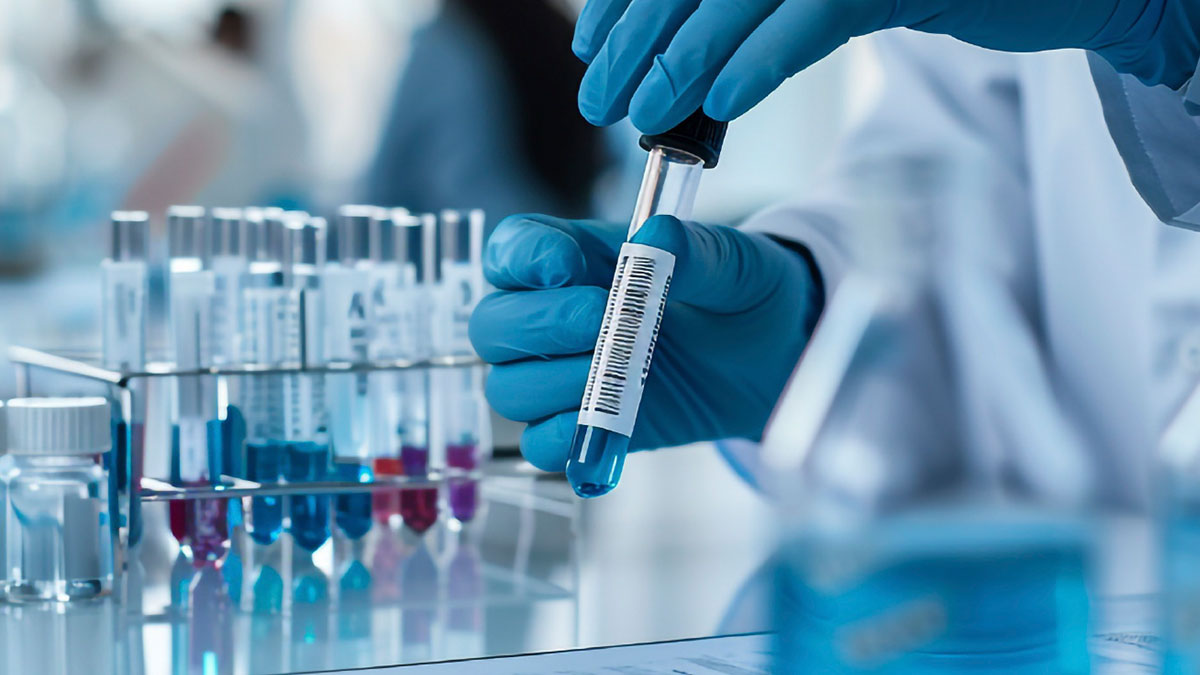
Assay optimization is essential for laboratories to produce accurate and reproducible results. Many labs use Assay testing services to refine protocols, reduce variability, and improve reliability. Optimized assays save resources by preventing repeated experiments caused by inconsistent results. They also improve data quality, allowing researchers to make confident conclusions. By tailoring assays to different sample types and laboratory conditions, teams maintain consistency and efficiency. Proper optimization is critical in translating lab work into meaningful and actionable outcomes while upholding high-quality scientific standards.
Why Assay Optimization Matters in Research
Assay optimization reduces variability, improves sensitivity, and ensures experiments produce reliable results. Unoptimized assays may lead to inconsistent outcomes, requiring repeated trials and consuming valuable resources. Optimized methods strengthen confidence in data and allow subtle biological changes to be detected. They also support high-quality publications and regulatory compliance in applied research. By achieving consistent results, researchers can compare experiments over time and across labs. This process underpins the integrity of scientific work and accelerates progress in both basic research and applied laboratory studies.
Key Steps in Assay Optimization
Optimizing an assay begins with selecting high-quality reagents and appropriate controls to track assay performance. Reaction conditions such as temperature, timing, and reagent concentrations are carefully adjusted. Assays must be validated across different sample types to confirm reliability. Each step is documented to maintain reproducibility and provide references for future studies. Regular review and adjustment ensure the assay remains robust over time. Following structured steps allows laboratories to achieve precise, consistent measurements across experiments, increasing overall confidence in data interpretation.
Common Challenges in Assay Optimization
Researchers face several challenges when optimizing assays. Sample quality can vary, affecting results, while reagent instability may lead to inconsistent readings. Equipment performance differs across laboratories, and human error can compromise protocol execution. A lack of standardized procedures further complicates reproducibility. Overcoming these obstacles requires careful monitoring, proper training, and structured workflows. Addressing these challenges ensures more reliable data and reduces the need for repeated experiments. Successful assay optimization demands ongoing attention and systematic problem-solving throughout the research process.
Benefits of Assay Optimization
- Increased accuracy and precision in laboratory results
- Enhanced reproducibility across repeated experiments
- Reduced time and cost for experiments
- Improved confidence in data interpretation
- Ability to detect subtle biological changes in samples
Optimized assays allow researchers to save resources, accelerate studies, and strengthen the validity of their conclusions. Consistent outcomes support scientific decision-making and improve collaboration across teams. The benefits extend from basic research to clinical diagnostics and pharmaceutical development, ensuring high-quality results in all laboratory contexts.
Real-World Applications of Assay Optimization
Optimized assays are widely used in pharmaceutical research to test drug efficacy and safety. Clinical laboratories rely on them for accurate disease diagnosis and patient monitoring. Biomarker discovery studies depend on sensitive assays to identify critical biological indicators. Quality control testing in manufacturing ensures product consistency and regulatory compliance. By improving reliability and sensitivity, optimized assays influence decision-making and accelerate scientific progress. These real-world applications demonstrate how proper optimization enhances both experimental efficiency and confidence in outcomes.
Role of Technology in Assay Optimization
Modern tools and technologies simplify assay optimization and reduce variability. Automated liquid handling systems minimize human error, while high-throughput platforms allow simultaneous testing of multiple conditions. Software for data analysis tracks performance trends, identifies inconsistencies, and suggests improvements. These technologies improve efficiency, enhance reproducibility, and enable laboratories to conduct large-scale experiments with confidence. Integrating advanced tools ensures robust and reliable assays, providing accurate, reproducible, and actionable data for research and applied laboratory work.
Best Practices for Effective Assay Optimization
Maintain regular validation of reagents and protocols to ensure continued assay performance. Handle samples consistently and monitor equipment calibration to minimize variability. Document every optimization step to allow reproducibility and team-wide understanding. Collaborating with specialized assay testing services provides expert guidance and troubleshooting support. Reviewing and refining protocols periodically helps laboratories maintain precision, efficiency, and cost-effectiveness. Following these best practices ensures assays deliver reliable, accurate, and reproducible results, supporting high-quality research outcomes across scientific disciplines.
Conclusion:
Assay optimization plays a strategic role in laboratory studies by improving accuracy, reproducibility, and overall data quality. It reduces errors, saves time, and allows researchers to draw confident conclusions from their experiments. Optimized assays enhance decision-making, accelerate research outcomes, and maintain high scientific standards. Investing in proper optimization processes benefits laboratories across multiple fields, from pharmaceutical testing to biomarker research. Ensuring that assays are well-optimized provides reliable, actionable, and meaningful results that strengthen the integrity of research.
FAQs
What is assay optimization in laboratory research?
It is the process of refining assay protocols to improve accuracy, sensitivity, and reproducibility in experiments.
Why is assay optimization important?
Optimized assays reduce variability, improve data reliability, and save time and resources.
Which labs benefit most from assay optimization?
Pharmaceutical, clinical diagnostics, biomarker research, and quality control laboratories benefit most.
How does technology help optimize assays?
Automation, high-throughput screening, and data analysis software reduce human error and improve efficiency.
What challenges do labs face in assay optimization?
Challenges include inconsistent samples, unstable reagents, equipment variability, human errors, and lack of standardized protocols.