Tapentadol Use in the Treatment for Osteoarthritis: Benefits, Effectiveness, and Safety
Tapentadol is a centrally acting opioid pain medication used to treat moderate to severe pain. It works by blocking pain signals in the brain and increasing norepinephrine levels to enhance pain relief. Available in both immediate-release and extended-release forms, tapentadol is commonly prescribed for conditions such as injury-related pain, post-surgical discomfort, and chronic pain disorders.
 smith2000
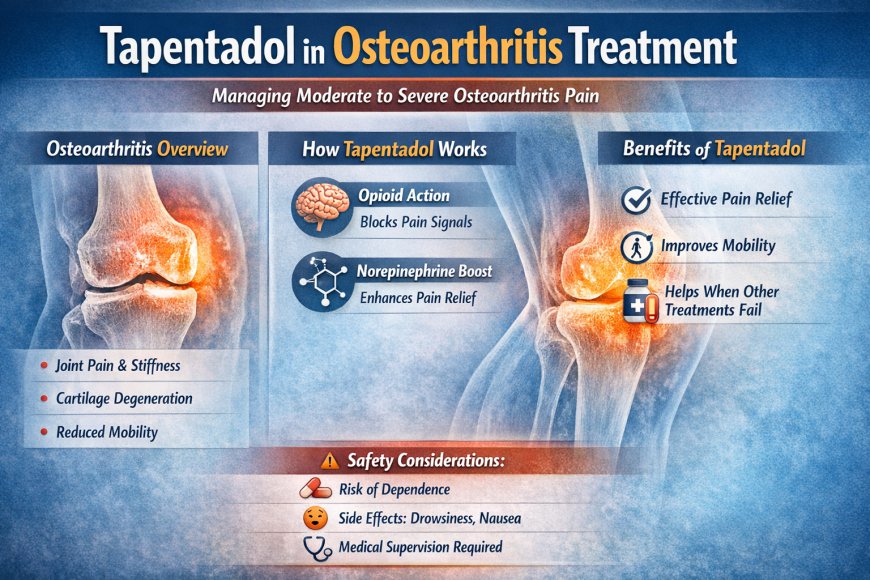
Osteoarthritis is one of the most common joint disorders worldwide, affecting millions of people, especially older adults. It is a degenerative condition that leads to the breakdown of cartilage, causing pain, stiffness, swelling, and reduced mobility. Managing osteoarthritis pain effectively is essential for maintaining quality of life, and in many moderate to severe cases, medications like tapentadol are prescribed when conventional treatments fail to provide adequate relief. This article explores the role of tapentadol in osteoarthritis treatment, its benefits, mechanism of action, safety.
Understanding Osteoarthritis and Its Pain
Osteoarthritis (OA) occurs when the protective cartilage that cushions joints gradually wears down over time. This results in bones rubbing against each other, leading to chronic pain and inflammation. Commonly affected areas include the knees, hips, hands, and spine.
The pain associated with osteoarthritis can be both nociceptive (inflammatory) and neuropathic (nerve-related), making it more complex to treat. Many patients initially rely on non-opioid medications like NSAIDs (e.g., ibuprofen) or acetaminophen, but these may not always provide sufficient relief in advanced stages of the disease.
What is Tapentadol?
Tapentadol is a centrally acting opioid analgesic used for managing moderate to severe pain. It has a dual mechanism of action, which makes it particularly effective in conditions like osteoarthritis:
- It activates mu-opioid receptors to block pain signals
- It inhibits norepinephrine reuptake, enhancing pain control
Because of this combined effect, tapentadol is often considered more effective for mixed pain conditions, including those involving nerve sensitivity.
Role of Tapentadol in Osteoarthritis Treatment
Tapentadol is typically prescribed when first-line treatments fail to control osteoarthritis pain. It is especially useful for patients experiencing:
- Severe knee osteoarthritis pain
- Chronic hip or spine pain
- Pain that interferes with daily activities
- Inadequate relief from NSAIDs or physical therapy
Doctors may recommend tapentadol as part of a multimodal pain management plan, which may include lifestyle changes, physiotherapy, and other medications.
Benefits of Tapentadol for Osteoarthritis Pain
1. Effective Pain Relief
Tapentadol provides strong and consistent relief from moderate to severe osteoarthritis pain. It helps reduce both inflammatory and nerve-related pain components.
2. Improved Mobility
By reducing pain and stiffness, tapentadol allows patients to move more freely and perform daily activities with less discomfort.
3. Dual Mechanism Advantage
Unlike traditional opioids, tapentadol’s additional norepinephrine activity makes it more effective in treating complex pain conditions.
4. Better Tolerability
Some studies suggest that tapentadol may have fewer gastrointestinal side effects compared to traditional opioids, making it easier for some patients to tolerate.
Tapentadol Dosage for Osteoarthritis
The dosage of tapentadol depends on the severity of pain, patient response, and medical history. It is available in immediate-release (IR) and extended-release (ER) formulations:
- Immediate-release: Used for short-term or breakthrough pain
- Extended-release: Used for chronic osteoarthritis pain management
It is essential to follow the prescribed dosage strictly and avoid self-adjusting the dose to prevent complications.
Medicine that contains Tapentadol
Side Effects and Risks
While tapentadol is effective, it also comes with potential side effects, especially with long-term use.
Common Side Effects
- Nausea and vomiting
- Dizziness
- Drowsiness
- Constipation
- Headache
Serious Risks
- Respiratory depression
- Dependence and addiction
- Low blood pressure
- Serotonin syndrome (in rare cases)
Patients should always consult their doctor if they experience severe or persistent symptoms.
Safety Considerations
Tapentadol should be used cautiously in certain populations, including:
- Elderly patients
- Individuals with respiratory disorders
- Patients with liver or kidney problems
- Those with a history of substance abuse
It should not be combined with alcohol or other sedative medications, as this can increase the risk of serious side effects.
Tapentadol vs Other Painkillers for Osteoarthritis
When comparing tapentadol with other medications used for osteoarthritis:
- NSAIDs: Effective for mild to moderate pain but may cause stomach or kidney issues with long-term use
- Paracetamol: Safer but less effective for severe pain
- Traditional opioids: Effective but often associated with higher side effects
- Tapentadol: Offers strong pain relief with a potentially better tolerability profile
This makes tapentadol a suitable option for patients who do not respond well to first-line therapies.
Non-Drug Approaches with Tapentadol
For best results, tapentadol should be combined with non-pharmacological treatments such as:
- Regular exercise and physiotherapy
- Weight management
- Joint support devices
- Heat and cold therapy
This integrated approach helps improve overall outcomes and reduces dependence on medication alone.
Relevant SEO Keywords
To optimize this topic for search engines, include the following keywords naturally within the content:
- Tapentadol for osteoarthritis
- Osteoarthritis pain treatment
- Tapentadol dosage for joint pain
- Best pain relief for osteoarthritis
- Chronic knee pain treatment
- Tapentadol side effects
- Opioid treatment for arthritis
- Severe osteoarthritis pain relief
- Tapentadol extended release uses
- Joint pain management medication
Conclusion
Tapentadol plays an important role in the treatment of moderate to severe osteoarthritis pain, especially when other therapies fail to provide adequate relief. Its dual mechanism of action makes it effective for managing both inflammatory and nerve-related pain components, offering improved comfort and mobility for patients. However, due to its opioid nature, it must be used carefully under medical supervision to avoid risks such as dependence and side effects.
When combined with lifestyle modifications and supportive therapies, tapentadol can significantly improve the quality of life for individuals suffering from osteoarthritis. Patients should always consult their healthcare provider to determine whether tapentadol is the right choice for their specific condition and to ensure safe and effective use.