The Best Way to Wax and Polish Your Car During Detailing
 maddysmith1
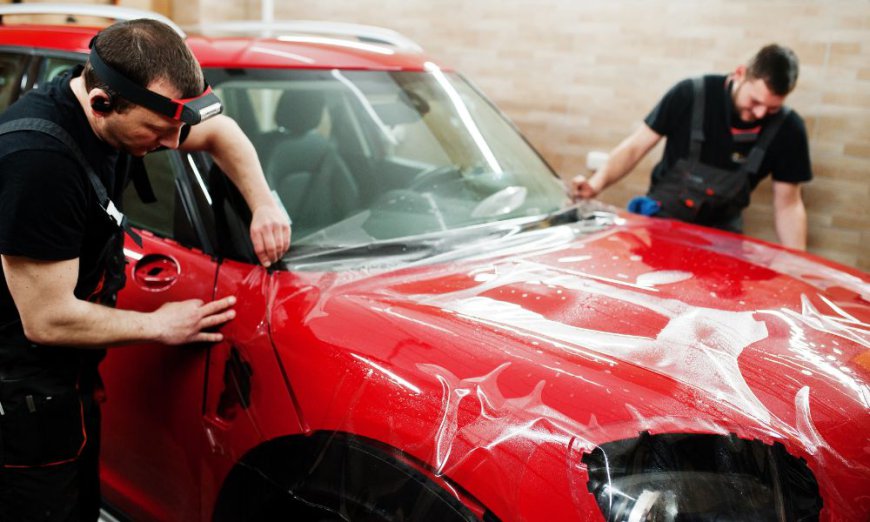
Taking care of your car goes beyond just washing it occasionally. Regular maintenance, including waxing and polishing, is essential for keeping your vehicle looking great and protecting it from long-term damage. A car that is well taken care of not only shines beautifully but also holds its value better over time. Waxing and polishing are two of the most important steps in car detailing, and when done correctly, they can make your car look almost brand new.
Waxing and polishing serve different purposes, and understanding the difference is key to effective detailing. Polishing removes small scratches, swirl marks, and oxidation, making the paint smooth and even. Waxing adds a protective layer that shields your car’s paint from sunlight, dirt, and pollutants. Both steps complement each other, giving your vehicle a polished, well-maintained appearance. If you want to ensure your car stays in top condition, learning the proper techniques used in Car Detailing Conway NH can make a significant difference in the results you achieve.
Preparing Your Car for Polishing and Waxing
Proper preparation is essential before you start polishing and waxing. Begin with a thorough wash using a high-quality car shampoo and a soft microfiber wash mitt. This step removes dirt, dust, and debris that could scratch the paint during polishing or waxing. After washing, dry your car completely with a clean microfiber towel to prevent water spots from forming. A clean and dry surface ensures that polish and wax adhere properly and gives a smoother, longer-lasting finish.
Inspect your car’s paint for scratches, swirl marks, or areas with oxidation. If your car has stubborn imperfections, a compound polish may be needed before applying a regular polish. Proper preparation saves time, protects the paint, and ensures that your waxing and polishing efforts produce the best possible shine. Following the methods used in professional Car Detailing Conway NH can help guide you through this process effectively.
Polishing Your Car
Polishing is the process that removes minor imperfections in your car’s paint. You can polish by hand using a foam or microfiber applicator or use a machine polisher for larger areas. Hand polishing allows more control, especially in tight spots, while a machine polisher is faster and more effective for larger surfaces.
Apply the polish in small sections using overlapping circular or back-and-forth motions. Avoid pressing too hard, as this can damage the paint. After the polish has hazed over, buff it off with a clean microfiber towel. Polishing creates a smooth, glossy surface that reflects light beautifully and prepares the paint for waxing. Proper polishing is an essential step in car detailing because it enhances both the shine and the effectiveness of the protective wax layer.
Waxing Your Car
Waxing comes after polishing and serves as a protective and beautifying step. Wax shields your car’s paint from harmful UV rays, dirt, bird droppings, and road debris while giving it a glossy finish. There are several types of wax available, including natural carnauba wax and synthetic wax. Carnauba wax provides a rich, deep shine, while synthetic wax offers longer-lasting protection.
Apply wax in thin, even layers using a foam applicator or microfiber pad. Work on small sections to ensure every area is covered, then allow the wax to haze over for a few minutes. Buff it off with a clean microfiber towel to reveal a smooth, reflective surface. Waxing adds the final touch to polishing, giving your car a showroom-like appearance. Regular waxing, as done in professional Car Detailing Conway NH services, can help maintain the shine and protection for weeks or months at a time.
Timing and Environment for the Best Results
The environment where you polish and wax your car can affect the results significantly. Always work in a shaded area or indoors to prevent the products from drying too quickly. Avoid polishing or waxing a hot surface or working in direct sunlight, as this can leave streaks and make buffing difficult. Additionally, ensure the weather is dry, as moisture can interfere with the wax bonding to the paint. Following these simple steps ensures a smooth, streak-free, and long-lasting finish.
Maintaining Your Car After Detailing
Polishing and waxing are not one-time tasks; regular maintenance is key to keeping your car looking its best. Wash your car with a pH-balanced shampoo to avoid stripping the wax. Avoid abrasive brushes or sponges that can scratch the paint. Quick detail sprays can help remove dust and fingerprints between washes. Applying a spray wax every few weeks refreshes the protective layer and maintains the shine. Maintaining your car properly will extend the life of the wax and polish, keeping your vehicle looking glossy and well-cared for over time.
Conclusion
Waxing and polishing are two of the most important steps in car detailing. Polishing removes scratches and imperfections, leaving the surface smooth, while waxing protects the paint and enhances the shine. Proper preparation, working under the right conditions, and regular maintenance are essential for achieving the best results. By following techniques similar to those used in Car Detailing Conway NH, you can ensure your car looks polished, protected, and well-maintained all year round.
Regular waxing and polishing are more than cosmetic—they protect your vehicle from environmental damage, maintain its value, and give you a car that looks and feels like new. With proper care, patience, and attention to detail, you can enjoy a beautifully polished car that reflects pride in ownership and keeps your vehicle in top condition for years to come.