The Complete Guide to Understanding Whiskey Flavor Profiles
Explore whiskey flavor profiles, aroma, aging, and tasting techniques in one complete beginner-friendly guide.
 shankardistillers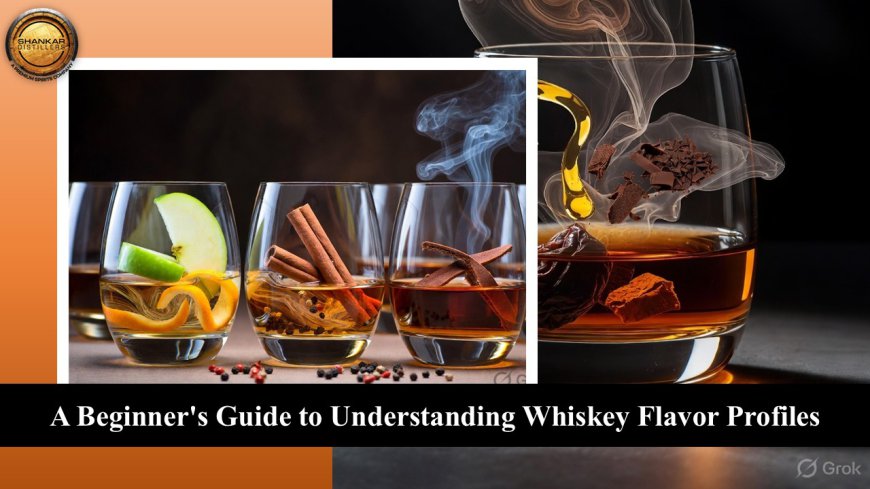
A whiskey's flavor profile is shaped by its ingredients, fermentation, distillation, barrel aging, and maturation environment. Grain selection provides the foundation of flavor, fermentation develops fruity and floral compounds, distillation refines aromas, and oak barrel aging adds notes such as vanilla, caramel, spice, and toasted oak. Learning to recognize these characteristics helps both beginners and experienced enthusiasts better appreciate the complexity of every whiskey.
Introduction
Every whiskey tells a unique story through its aroma, taste, texture, and finish. While two bottles may appear similar, their flavor profiles can differ dramatically because every stage of production influences the final spirit. Understanding what creates these differences allows whiskey enthusiasts to appreciate craftsmanship beyond simply enjoying a drink.
As Shankar Distillers – Premier Whiskey Distillers, every whiskey is crafted with careful attention to grain selection, fermentation, distillation, maturation, and quality control. These elements work together to create balanced whiskey flavor profiles that showcase depth, complexity, and consistency from the first sip to the final finish.
Whether you are beginning your whiskey journey or looking to refine your tasting skills, understanding flavor profiles will help you identify subtle aromas, recognize quality, and better appreciate how production methods shape every bottle.
What Creates a Whiskey's Flavor Profile?
A whiskey's flavor profile is not created by a single ingredient or process. Instead, it develops through the careful interaction of multiple production stages, each adding new layers of aroma and taste.
The primary factors include:
- Grain selection
- Water quality
- Yeast strain
- Fermentation process
- Distillation technique
- Barrel type
- Aging duration
- Warehouse climate
- Bottling proof
Each step contributes something unique to the finished whiskey. Even minor changes in one stage can significantly alter the final flavor profile.
Unlike many spirits, whiskey continues evolving while aging inside oak barrels. During maturation, the spirit extracts natural compounds from the wood while slowly interacting with oxygen, producing greater depth, smoothness, and complexity over time.
How Ingredients, Fermentation, and Distillation Influence Flavor
Grain Selection
Grains provide the foundation for every whiskey's flavor profile.
Different grains contribute different characteristics:
Corn
Corn typically produces:
- Sweetness
- Caramel
- Honey
- Butterscotch
- Soft mouthfeel
Rye
Rye introduces:
- Pepper
- Baking spices
- Herbal notes
- Cinnamon
- Dry finish
Those looking to experience these bold characteristics can explore Premium Straight Rye Whiskey, which showcases the distinctive spicy and complex qualities that rye is known for.
Malted Barley
Barley contributes:
- Biscuit notes
- Toasted cereal
- Nutty flavors
- Light sweetness
- Rich malt character
These grains form the backbone upon which all other flavors develop.
Fermentation
Fermentation is where yeast converts sugars into alcohol while producing hundreds of natural flavor compounds.
Depending on fermentation conditions, whiskey may develop:
- Apple
- Pear
- Banana
- Citrus
- Floral aromas
- Light tropical fruit
- Honeyed sweetness
Longer fermentation often creates greater complexity, resulting in richer fruit-forward aromas and a smoother overall character.
Distillation
Distillation concentrates alcohol while refining flavors created during fermentation.
Master distillers carefully separate:
- Heads
- Hearts
- Tails
Only the heart of the distillation becomes the final whiskey.
Proper distillation helps preserve desirable flavors while removing unwanted compounds. The result is a cleaner, smoother spirit with enhanced aroma and balance.
The Role of Barrel Aging in Developing Aroma and Taste
Oak barrels transform new spirit into mature whiskey.
During maturation, whiskey expands into the wood during warmer temperatures and contracts during cooler conditions. This continuous interaction extracts natural compounds that greatly influence the whiskey's character.
Common barrel-derived flavors include:
- Vanilla
- Caramel
- Maple syrup
- Brown sugar
- Toasted oak
- Chocolate
- Coconut
- Baking spices
- Roasted coffee
- Smoke
As the years pass, oxidation softens harsher alcohol notes while allowing flavors to integrate into a harmonious profile.
Longer aging generally produces:
- Richer aromas
- Greater complexity
- Smoother mouthfeel
- Longer finish
- Better balance
Warehouse temperature and humidity also play important roles. Different storage conditions influence how quickly whiskey matures and how much character develops over time.
How to Identify and Evaluate Common Whiskey Flavor Notes
Professional whiskey tasting follows a structured approach that focuses on appearance, aroma, taste, texture, and finish.
Step 1: Observe the Color
Color often provides clues about barrel influence and maturation.
Look for shades ranging from:
- Light gold
- Amber
- Deep copper
- Rich mahogany
Step 2: Evaluate the Aroma
Swirl the whiskey gently before nosing.
Common aroma categories include:
Sweet
- Vanilla
- Honey
- Brown sugar
- Caramel
Fruity
- Apple
- Pear
- Cherry
- Orange peel
- Dried fruit
Spicy
- Cinnamon
- Clove
- Black pepper
- Nutmeg
Woody
- Oak
- Cedar
- Toasted wood
Nutty
- Almond
- Walnut
- Hazelnut
Step 3: Taste Slowly
Allow the whiskey to coat the palate.
Notice:
- Initial sweetness
- Mid-palate complexity
- Spice development
- Mouthfeel
- Balance
- Finish
Quality whiskey reveals flavors gradually rather than all at once.
Step 4: Evaluate the Finish
The finish refers to flavors that remain after swallowing.
A well-crafted whiskey often leaves:
- Lingering vanilla
- Warm baking spices
- Toasted oak
- Soft sweetness
- Gentle pepper
- Rich caramel
Long, balanced finishes generally indicate careful production and quality maturation.
Comparing the Flavor Profiles of Bourbon and Rye Whiskey
Although bourbon and rye share many production similarities, they offer distinctly different tasting experiences.
Bourbon Whiskey
Bourbon generally emphasizes sweetness.
Typical tasting notes include:
- Vanilla
- Caramel
- Toffee
- Honey
- Brown sugar
- Oak
- Toasted nuts
Its smooth, rounded profile makes it approachable for both beginners and experienced whiskey enthusiasts.
Those interested in experiencing this classic style can explore Premium Straight Bourbon Whiskey, known for its rich balance of sweetness, oak influence, and refined character.
Rye Whiskey
Rye whiskey offers greater spice and intensity.
Common flavor notes include:
- Black pepper
- Cinnamon
- Clove
- Herbal notes
- Mint
- Dry oak
- Citrus zest
Its vibrant profile makes it especially popular among those who enjoy bold and layered flavors.
Experience Whiskey Beyond the Glass
Understanding whiskey flavor profiles becomes even more rewarding through guided tastings. Visiting an Event and Tasting Room Michigan allows enthusiasts to compare different expressions, learn tasting techniques, and appreciate how production choices influence aroma, taste, and finish.
Whiskey also creates memorable experiences for celebrations, corporate gatherings, and private events. A dedicated Event space for parties and celebrations offers the perfect setting to explore premium whiskey while enjoying a welcoming atmosphere with friends, family, or colleagues.
Conclusion
Understanding whiskey flavor profiles is about recognizing the craftsmanship behind every sip. From carefully selected grains and precise fermentation to expert distillation and years of barrel aging, every production stage contributes to the aromas, flavors, and finish that define exceptional whiskey. By learning to identify tasting notes such as vanilla, caramel, spice, fruit, toasted oak, and herbs, enthusiasts can better appreciate the complexity and individuality of every bottle.
As Shankar Distillers – one of the premium whiskey distillers in the USA, the focus remains on producing whiskey that reflects quality, consistency, and authentic craftsmanship. Whether your preference leans toward the smooth sweetness of bourbon or the bold spice of rye, understanding flavor profiles enriches every tasting experience and deepens your appreciation for the remarkable journey from grain to glass.
Useful Links