The Complete Guide to Wet Timing Belt Replacement Cost in the UK
Drivers increasingly research servicing schedules online before problems occur. Educational resources discussing wet timing belt replacement have become important references for owners looking to understand maintenance requirements before booking repairs.
 daren339977
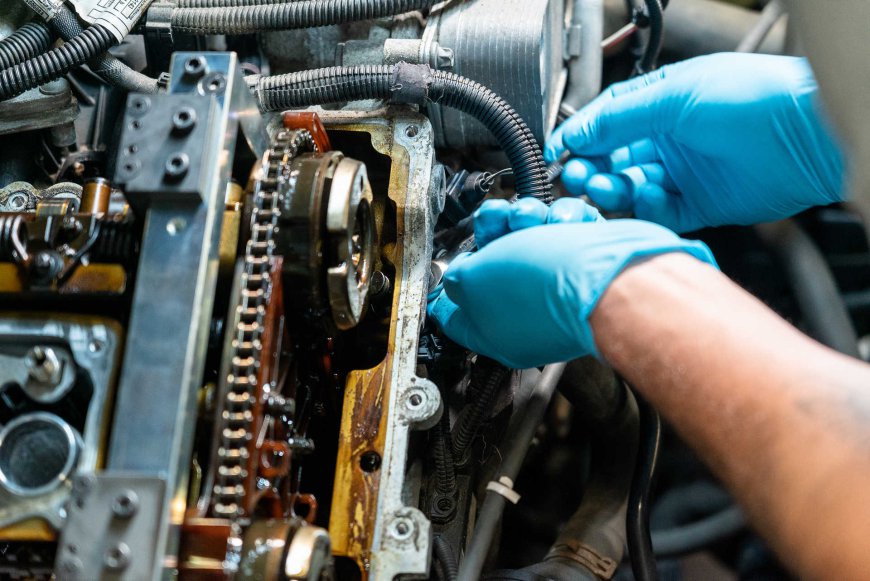
Modern vehicle engines have evolved to improve fuel efficiency, reduce emissions, and enhance overall performance. One innovation that has become increasingly common is the wet timing belt, a component designed to operate inside the engine oil rather than outside the engine like a traditional timing belt. While this design offers several engineering benefits, it also introduces unique maintenance requirements that every vehicle owner should understand.
Many motorists begin researching wet timing belt replacement cost only after warning signs appear or an engine fault develops. However, understanding how these systems work and why timely maintenance matters can help drivers avoid significantly higher repair expenses in the future.
What Is a Wet Timing Belt and Why Is It Different?
A wet timing belt is an engine timing belt that operates while submerged in specially formulated engine oil. Unlike conventional dry timing belts, this design reduces friction and noise while contributing to improved engine efficiency.
Vehicle manufacturers have increasingly adopted wet belt technology to meet stricter environmental standards and improve fuel economy. However, the system depends heavily on proper lubrication and regular servicing.
A wet timing belt synchronizes several essential engine components, including:
-
Crankshaft rotation
-
Camshaft timing
-
Valve operation
-
Fuel injection timing (on many engines)
Because these components must remain perfectly synchronized, even minor belt deterioration can affect engine performance.
Although designed for durability, wet belts are still wearable components that require replacement at manufacturer-recommended intervals.
Why Wet Timing Belt Replacement Matters
Unlike external timing belts, a deteriorating wet belt often shows very few visible warning signs because it operates inside the engine.
Over time, exposure to heat, engine oil, contaminants, and everyday driving conditions causes the belt material to gradually degrade. Small rubber particles may separate from the belt and circulate through the lubrication system.
This can eventually lead to:
-
Oil pickup blockage
-
Reduced oil pressure
-
Poor engine lubrication
-
Timing inaccuracies
-
Serious engine damage
Ignoring replacement intervals may transform a scheduled maintenance procedure into a costly engine rebuild.
This explains why many vehicle specialists encourage proactive servicing rather than waiting for symptoms to develop.
Factors That Influence Wet Timing Belt Replacement Cost
The wet timing belt replacement cost varies considerably between vehicles because several factors influence the overall repair.
Vehicle Make and Model
Different manufacturers use different engine designs.
Some engines allow easier access to the belt, while others require significant dismantling before replacement can begin.
Luxury vehicles and complex diesel engines generally involve higher labour costs.
Additional Components
Replacing a wet belt often includes inspection or replacement of related components such as:
-
Oil pump belt
-
Belt tensioners
-
Guide pulleys
-
Seals
-
Engine oil
-
Oil filter
Replacing these components together helps ensure long-term reliability.
Labour Requirements
Unlike many routine maintenance jobs, replacing wet timing belt systems can be labour-intensive because technicians must carefully dismantle engine components without disturbing precise timing.
Experienced technicians also perform:
-
Engine timing verification
-
Oil system inspection
-
Cleaning of oil pickup components
-
Diagnostic checks after installation
The complexity of these procedures contributes significantly to the final repair cost.
Common Warning Signs of Wet Timing Belt Wear
Although wet belts may fail with little warning, some vehicles display symptoms that suggest inspection is needed.
Potential warning signs include:
-
Engine management warning light
-
Low oil pressure warning
-
Rough engine performance
-
Unusual engine noises
-
Reduced fuel efficiency
-
Difficulty starting
-
Loss of engine power
These symptoms do not always indicate belt failure, but they should never be ignored.
Early diagnosis frequently prevents more extensive engine repairs.
Why Engine Oil Quality Plays a Major Role
One of the biggest factors affecting wet belt lifespan is engine oil quality.
Because the belt operates continuously inside the oil, incorrect lubricants may accelerate belt deterioration.
Manufacturers specify particular oil grades designed specifically for engines using wet timing belts.
Good maintenance practices include:
-
Using manufacturer-approved engine oil
-
Following scheduled oil changes
-
Replacing oil filters regularly
-
Avoiding extended oil service intervals
-
Checking oil levels frequently
Clean, high-quality oil helps protect both the timing belt and other critical engine components.
Industry Trends Driving Greater Awareness
Across the United Kingdom, awareness surrounding wet belt maintenance has grown considerably in recent years.
Independent workshops and vehicle specialists increasingly educate drivers about preventive servicing as modern engines become more technically advanced.
Several industry trends have contributed to this shift:
Longer Vehicle Ownership
Many motorists now keep vehicles for longer than before.
As cars remain on the road well beyond manufacturer warranty periods, preventative maintenance becomes increasingly valuable.
Rising Repair Costs
Engine repairs have become more expensive due to increasingly sophisticated engine designs.
Replacing a timing belt before failure is generally far more economical than repairing damaged valves, pistons, or cylinder heads.
Better Maintenance Planning
Drivers increasingly research servicing schedules online before problems occur.
Educational resources discussing wet timing belt replacement have become important references for owners looking to understand maintenance requirements before booking repairs.
Practical Tips Before Replacing a Wet Timing Belt
If your vehicle approaches the recommended replacement interval, several practical steps can help ensure a successful repair.
Verify Manufacturer Recommendations
Service intervals differ between engines.
Always check your owner's handbook or consult a qualified technician rather than relying on mileage estimates from unrelated vehicles.
Choose Experienced Technicians
Wet belt systems require specialist knowledge and precise installation procedures.
Experience with your engine type is often more important than simply choosing the lowest quote.
Replace Supporting Components
Replacing worn tensioners, seals, oil filters, and associated components during the same service can reduce future maintenance costs.
Maintain Service Records
Keeping detailed maintenance records helps preserve resale value while demonstrating responsible vehicle ownership.
Understanding Wet Timing Belt Replacement in Trowbridge
For drivers researching wet timing belt replacement Trowbridge, selecting a workshop familiar with modern engine technologies is particularly important.
Specialist garages typically understand manufacturer procedures, correct oil specifications, and engine timing requirements needed for these increasingly sophisticated systems.
For example, resources provided by S&M Auto Service explain common causes of wet belt deterioration, replacement considerations, and maintenance practices that help drivers better understand the process before booking repairs. Educational information such as this enables vehicle owners to make informed servicing decisions rather than waiting for engine problems to appear.
Preventative Maintenance Delivers Long-Term Value
Many drivers view timing belt replacement solely as a repair expense.
In reality, preventative maintenance often represents one of the most effective ways to protect long-term vehicle reliability.
Replacing a wet timing belt at the recommended interval helps:
-
Maintain correct engine timing
-
Reduce the risk of catastrophic engine failure
-
Protect oil circulation
-
Improve long-term reliability
-
Support fuel efficiency
-
Reduce unexpected breakdowns

When compared with major engine repairs, scheduled maintenance frequently proves to be the more economical option.
Conclusion
Modern wet timing belt technology offers genuine engineering advantages, but it also demands careful maintenance throughout a vehicle's lifespan. Understanding wet timing belt replacement cost, recognising the importance of routine servicing, and using the correct engine oil can significantly reduce the likelihood of expensive engine damage.
Rather than waiting for warning lights or performance issues to appear, drivers benefit from following manufacturer service intervals and consulting experienced technicians familiar with replacing wet timing belt systems. As awareness continues to grow across the United Kingdom, preventative maintenance remains the most practical strategy for protecting modern engines and avoiding unnecessary repair costs.
For those seeking additional educational guidance, the resources available through S&M Auto Service provide helpful information about wet timing belt replacement, maintenance considerations, and servicing practices relevant to many modern vehicles. Staying informed today can help prevent far more costly repairs tomorrow.