The Hidden Costs of Water Filter Taps: Maintenance, Cartridge Replacement, and Lifespan
Discover the hidden costs of water filter taps in Australia, including maintenance, cartridge replacement, and lifespan, to understand their true long-term value.
 raaaaachoh
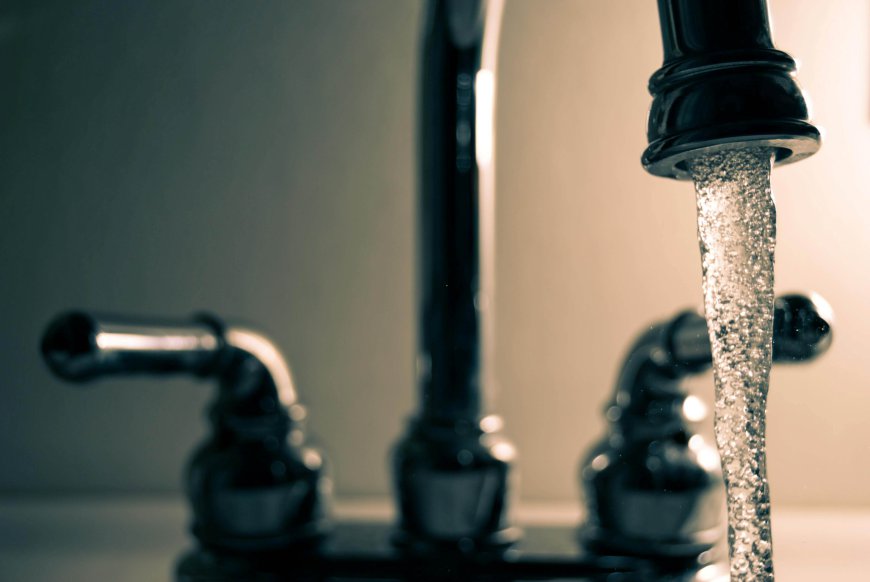
Water filter taps have become increasingly popular in Australian households as people look for convenient ways to access cleaner, better-tasting drinking water straight from the kitchen sink. While they offer clear benefits in terms of convenience and water quality, many homeowners underestimate the long-term costs involved. The reality is that the true expense of water filter taps goes far beyond the initial purchase and installation.
In this article, we’ll break down the hidden costs of water filter taps, including maintenance, cartridge replacement, and lifespan considerations, so you can make a more informed decision before investing.
Why Water Filter Taps Are So Popular in Australia
Across Australia, water quality can vary depending on the region. While mains water is generally safe, it may still contain chlorine, sediment, or trace contaminants that affect taste and odour. This is where water filter taps come in.
These systems are designed to deliver filtered water directly from a dedicated tap, removing impurities and improving overall drinking quality. They are especially popular in households that want to reduce bottled water consumption and adopt a more sustainable lifestyle.
However, while the convenience is appealing, the ongoing costs are often overlooked.
The True Cost of Ownership
When people think about water filter taps, they usually focus on the upfront cost. This typically includes:
-
The tap unit itself
-
Filtration system or under-sink unit
-
Installation fees
But the real cost of ownership includes ongoing expenses that accumulate over time. These include replacement filters, maintenance, and potential repairs.
Understanding these hidden costs is essential if you want to avoid unexpected expenses down the track.
Cartridge Replacement: The Ongoing Expense You Can’t Avoid
One of the biggest recurring costs associated with water filter taps is cartridge replacement. The filter cartridge is responsible for trapping contaminants such as chlorine, heavy metals, sediment, and bacteria.
How Often Do Cartridges Need Replacing?
In most Australian homes, filter cartridges typically need replacing every 3 to 6 months, depending on:
-
Water quality in your area
-
Household water usage
-
Type of filtration system installed
If your household uses a large amount of filtered water, or if your local water supply has higher levels of sediment, you may need to replace cartridges more frequently.
The Cost Factor
Replacement cartridges can vary significantly in price. Basic filters may be relatively affordable, but premium multi-stage filtration systems can be quite expensive to maintain.
Over a year, these costs can add up quickly, especially for families. This is why cartridge replacement is often considered the most significant hidden expense of water filter taps.
Maintenance Costs You Shouldn’t Ignore
Beyond cartridge replacement, water filter taps require regular maintenance to stay efficient and safe.
1. Routine Cleaning
Over time, mineral build-up and bacteria can develop within the system. Regular cleaning helps maintain hygiene and ensures the tap continues to function properly.
2. System Checks and Servicing
Some systems require professional servicing, particularly if they are complex under-sink filtration setups. This adds to the long-term cost of ownership.
3. Leak Repairs
Like any plumbing fixture, water filter taps can develop leaks over time. Seals and fittings may wear out, requiring replacement parts or plumbing repairs.
4. Reduced Water Flow
Clogged or overdue filters can restrict water flow, leading to inconvenience and sometimes requiring early cartridge replacement or system servicing.
These maintenance requirements may seem minor individually, but together they contribute to the ongoing cost of owning water filter taps.
Lifespan of Water Filter Taps
Another important factor often overlooked is the lifespan of both the tap and the filtration system.
Tap Unit Lifespan
The physical tap itself can last around 5 to 10 years, depending on build quality and usage. High-quality stainless steel models tend to last longer than cheaper alternatives.
Filtration System Lifespan
The filtration components generally have a shorter lifespan, typically around 3 to 5 years before more significant replacements or upgrades are required.
Factors That Affect Lifespan
Several factors influence how long your system will last:
-
Water hardness in your area
-
Frequency of use
-
Quality of installation
-
Regular maintenance habits
Neglecting maintenance can significantly shorten the lifespan of your water filter taps system, increasing long-term costs.
Hidden Costs of Poor Maintenance
Failing to maintain your water filter taps properly can lead to more serious and expensive issues over time.
These include:
-
Contaminated drinking water
-
Reduced filtration efficiency
-
Damage to internal components
-
Higher repair or replacement costs
In some cases, ignoring filter replacement schedules can even cause the system to fail, forcing a full replacement rather than a simple cartridge change.
Are Water Filter Taps Worth the Cost?
Despite the hidden expenses, water filter taps can still be a worthwhile investment for many Australian households. The key benefits include:
-
Improved taste and odour of drinking water
-
Reduced reliance on bottled water
-
Convenience of filtered water on demand
-
Potential long-term environmental benefits
However, whether they are worth it depends on your household's needs, budget, and willingness to maintain the system regularly.
For some, the ongoing costs are justified by the convenience and quality. For others, simpler filtration solutions may be more cost-effective.
How to Reduce Long-Term Costs
If you decide to install water filter taps, there are several ways to manage and reduce ongoing expenses:
1. Choose the Right System
Select a system suited to your local water quality. Over-specifying can lead to unnecessarily high maintenance costs.
2. Stick to Replacement Schedules
Replacing cartridges on time prevents system damage and maintains efficiency, saving money in the long run.
3. Compare Cartridge Prices Before Buying
Some brands have significantly cheaper replacement filters than others, which can make a big difference over time.
4. Regular Maintenance
Simple upkeep, like cleaning and checking for leaks, can extend system life and reduce repair costs.
5. Monitor Water Usage
Being mindful of usage helps extend cartridge life and reduces replacement frequency.
Final Thoughts
While water filter taps offer a convenient and effective way to access clean drinking water, they come with hidden long-term costs that should not be ignored. Cartridge replacements, maintenance, and system lifespan all contribute to the true cost of ownership.
For Australian homeowners, the key is balancing convenience with long-term affordability. By understanding these hidden costs upfront, you can make a smarter decision and avoid unexpected expenses in the future.
Ultimately, water filter taps can be a great investment—but only if you’re prepared for the ongoing commitment they require.