The Most Common Causes of Log Home Deterioration
 julialubey
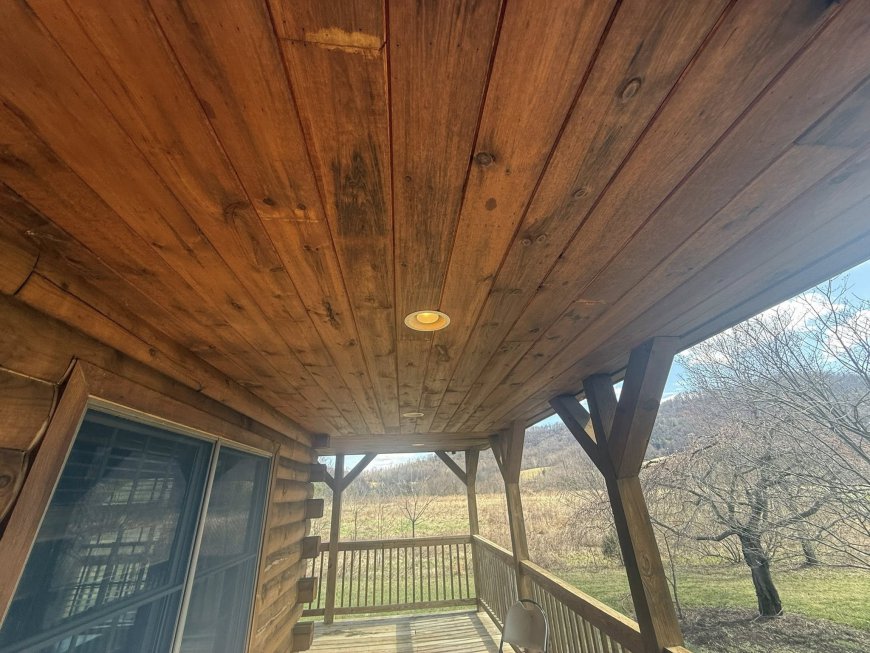
Log homes have a character that modern houses just can't copy. Every beam, knot, and grain tells a story, and that's why so many people fall in love with them. The interior design of log cabins often becomes just as important as the structure itself because people want that warm, natural feeling throughout the home. But here's the thing. A log home isn't something you build and forget. Wood changes. Weather changes. Time never stops. If you ignore small issues, they almost always turn into expensive ones later.
Why Log Homes Wear Down Faster Than People Expect
A lot of homeowners assume logs are naturally tough enough to handle everything. In a way, they are. Trees survive storms for decades. But once those trees become part of a house, they lose the natural systems that kept them alive. They're no longer growing. They're simply exposed.
Rain, humidity, harsh sunlight, insects, and changing temperatures all work together. Not overnight, but slowly. You don't always notice it until stains appear, cracks get wider, or a section of wood starts feeling softer than it should.
That's usually when people realise the damage started months, maybe years earlier.
Moisture Is the Biggest Enemy
If there's one thing that destroys more log homes than anything else, it's water.
Moisture finds tiny openings around joints, window frames, roof edges, and checks in the logs. Once water sits inside the wood, decay begins. Sometimes slowly enough that homeowners don't notice until rot has spread deep beneath the surface.
Poor drainage around the property makes things worse. Gutters that overflow. Downspouts dumping water against the walls. Shrubs pressed tightly against logs that never really dry after rain. These little details seem harmless, but together they create constant damp conditions.
Dry wood lasts. Wet wood doesn't.
Sun Damage Doesn't Look Serious... At First
Most people think rain causes all the problems. Sunlight deserves just as much blame.
Ultraviolet rays gradually break down wood fibres. The beautiful rich colour fades into grey, protective finishes begin wearing away, and the surface becomes rougher every season.
Once the protective stain starts failing, moisture has an easier path inside the logs. It's almost like removing the roof from your house and hoping nothing happens.
South-facing walls usually take the hardest beating because they receive the most direct sunlight throughout the year.
Insects Love Untreated Wood
Wood-boring insects don't always announce themselves immediately.
Carpenter bees, termites, carpenter ants, and beetles can spend months causing damage before anyone notices tiny holes or sawdust. By that point they've often travelled further inside than expected.
Older log homes that missed regular inspections become especially vulnerable. Even newer homes aren't immune if protective finishes have started breaking down.
The good news is that insect problems are much easier to solve when they're caught early. Waiting rarely saves money.
Poor Ventilation Creates Hidden Problems
Some deterioration happens where nobody thinks to look.
Crawl spaces with trapped humidity, poorly ventilated attics, or bathrooms without proper extraction fans create excess moisture inside the home. The logs absorb that moisture over time.
Condensation can become a surprisingly serious issue during colder months. Warm indoor air meets cooler log walls, moisture forms, and repeated cycles slowly weaken the timber.
It's one of those problems people don't notice because everything looks perfectly normal from the outside.
Ignoring Small Cracks Can Become Expensive
Every log develops natural cracks called checks. They're completely normal.
The trouble starts when those openings allow water to move deep into the wood. Freeze-and-thaw cycles make the cracks larger. Water penetrates further. Rot begins.
Many homeowners see these cracks and assume they're simply cosmetic.
Sometimes they are.
Sometimes they're the beginning of a repair bill nobody wants.
Regular inspections make a huge difference because sealing small openings costs very little compared to replacing damaged logs.
Poor Construction Details Speed Up Decay
Not every deterioration problem comes from age.
Some homes were built with design flaws from day one. Roof overhangs that are too short expose walls to constant rainfall. Improper flashing lets water creep behind logs. Ground contact where wood should never touch soil creates permanent moisture exposure.
Even the best-quality logs struggle under those conditions.
That's why experienced builders pay close attention to drainage, ventilation, flashing, and roof design. Good construction gives the wood a chance to stay dry.
Skipping Protective Finishes Shortens a Home's Life
Stains and sealants aren't there just to improve appearance.
They act as the home's first line of defence against moisture, sunlight, mildew, and insects. Unfortunately, many homeowners delay refinishing because everything still "looks okay."
That's usually the mistake.
Protective coatings wear away gradually, not suddenly. By the time obvious peeling appears, the wood underneath may already be absorbing moisture.
Reapplying finishes on schedule is far cheaper than replacing structural logs.
Regular Care Makes All the Difference
Owning a log home isn't difficult, but it does ask for consistency. Log cabin maintenance isn't about spending every weekend fixing things. It's about checking the home a couple of times each year, cleaning surfaces, repairing small issues before they spread, keeping gutters clear, trimming nearby vegetation, and making sure water flows away from the foundation. Those simple habits often add decades to the life of the structure, honestly they matter more than most people realise.
Conclusion
Log homes aren't fragile. Far from it. Many stand strong for generations. But they don't stay that way by accident.
Moisture, sunlight, insects, poor ventilation, neglected finishes, and overlooked repairs all chip away at the structure little by little. Most serious damage begins with something small that seemed easy to ignore.
The upside is pretty simple. Pay attention, inspect the home regularly, and deal with problems while they're still minor. A little effort today protects not only the beauty of the logs but the comfort, value, and character that made the home worth owning in the first place. That's really what keeps a log home standing strong for years to come.