The Most Common Causes of Skin Barrier Damage and How to Fix Them
Learn the most common causes of skin barrier damage and effective ways to repair it. Restore hydration, reduce sensitivity, and strengthen your skin barrier.
 persactivelab
Your skin barrier is the outermost layer of your skin and serves as the body's first line of defense against environmental stressors, pollutants, bacteria, and moisture loss. When functioning properly, it helps keep skin hydrated, smooth, and healthy. However, many daily habits and environmental factors can weaken this protective layer, leading to irritation, dryness, redness, and sensitivity.
Understanding what damages the skin barrier and how to repair it can help you maintain healthier, more resilient skin.
What Is the Skin Barrier?
The skin barrier, also known as the stratum corneum, consists of skin cells held together by natural lipids such as ceramides, fatty acids, and cholesterol. This structure works like a brick wall, where the skin cells act as bricks and the lipids serve as the mortar holding everything together.
When the barrier becomes damaged, moisture escapes more easily, and irritants can penetrate the skin, causing discomfort and visible skin concerns.
Common Causes of Skin Barrier Damage
Over-exfoliation, harsh skincare products, environmental stress, UV exposure, hot water, and inadequate hydration can weaken the skin's natural protective barrier.
1. Over-Exfoliation
Exfoliating can help remove dead skin cells and improve skin texture. However, excessive use of physical scrubs, chemical exfoliants, or strong acids can strip away the skin's natural protective oils.
Signs of over-exfoliation include:
- Redness
- Tightness
- Increased sensitivity
- Peeling skin
- Burning sensation
2. Harsh Cleansers
Many cleansers contain strong surfactants that remove dirt and oil effectively but can also disrupt the skin's natural balance. Washing your face too frequently or using products with harsh ingredients may weaken the barrier over time.
3. Excessive Use of Active Ingredients
Ingredients such as retinoids, alpha hydroxy acids (AHAs), beta hydroxy acids (BHAs), and benzoyl peroxide offer skincare benefits but can cause irritation when used incorrectly or too often.
Using multiple active ingredients simultaneously can increase the risk of skin barrier damage.
4. Environmental Stressors
Daily exposure to environmental factors can gradually affect the skin barrier. Common stressors include:
- UV radiation
- Air pollution
- Wind exposure
- Low humidity
- Extreme temperatures
These conditions can deplete the skin's natural moisture and weaken its protective function.
5. Hot Water Exposure
Long, hot showers may feel relaxing, but hot water can strip away essential lipids that keep the skin barrier intact. This often leaves the skin feeling dry and uncomfortable afterward.
6. Inadequate Moisturization
Failing to replenish moisture can make it difficult for the skin barrier to repair itself. Dry skin often becomes more vulnerable to irritation and environmental damage.
7. Stress and Poor Lifestyle Habits
Lack of sleep, chronic stress, poor nutrition, and dehydration can negatively affect skin health. These factors may impair the skin's natural repair processes and contribute to barrier dysfunction.
Signs That Your Skin Barrier May Be Damaged
Recognizing the symptoms early can help prevent further damage. Common signs include:
- Persistent dryness
- Flakiness
- Redness
- Itching
- Increased sensitivity
- Rough texture
- Stinging when applying skincare products
- Frequent breakouts
If your skin suddenly reacts to products that previously worked well, a compromised skin barrier may be the cause.
How to Fix a Damaged Skin Barrier
Use gentle skincare products, focus on hydration, avoid over-exfoliation, and incorporate barrier-supporting ingredients to help restore and strengthen the skin's natural defenses.
Simplify Your Skincare Routine
When the skin barrier is compromised, less is often more. Reduce the number of products you use and focus on gentle, supportive skincare.
Avoid introducing new active ingredients until your skin recovers.
Use a Gentle Cleanser
Choose a mild cleanser that cleans effectively without stripping the skin's natural oils. Avoid products that leave your skin feeling tight after washing.
Prioritize Hydration
Hydration is essential for barrier repair. Look for ingredients that help attract and retain moisture, such as:
- Hyaluronic acid
- Glycerin
- Panthenol (Vitamin B5)
- Beta-glucan
These ingredients help improve skin comfort and hydration levels.
Incorporate Barrier-Supporting Ingredients
Certain ingredients help strengthen and restore the skin barrier, including:
- Ceramides
- Fatty acids
- Cholesterol
- Panthenol (Vitamin B5)
- Yeast extract
These ingredients support the skin's natural repair processes and help reduce moisture loss.
Avoid Over-Exfoliating
Temporarily stop using exfoliating products until your skin feels calm and healthy again. Once the barrier has recovered, reintroduce exfoliants gradually.
Wear Sunscreen Daily
UV exposure can worsen skin barrier damage and slow recovery. Applying sunscreen daily helps protect the skin and supports long-term skin health.
Stay Consistent
Skin barrier repair serum takes time. Depending on the severity of the damage, improvement may take several weeks. Consistent use of gentle, hydrating products can help accelerate recovery.
Frequently Asked Questions
How long does it take to repair a damaged skin barrier?
Mild damage may improve within a few days to a few weeks, while more severe cases can take several weeks or even months to recover fully.
Can a damaged skin barrier cause acne?
Yes. When the skin barrier is compromised, inflammation and irritation can increase, which may contribute to breakouts and acne-like symptoms.
Should I stop using retinol if my skin barrier is damaged?
In most cases, temporarily reducing or stopping retinol use can help your skin recover. Reintroduce it gradually once your skin feels healthy again.
What ingredients are best for repairing the skin barrier?
Ceramides, panthenol (Vitamin B5), hyaluronic acid, fatty acids, cholesterol, and yeast extract are commonly recommended for supporting barrier repair.
Can I prevent skin barrier damage?
Yes. Using gentle skincare products, avoiding over-exfoliation, moisturizing regularly, wearing sunscreen, and maintaining healthy lifestyle habits can help protect the skin barrier.
Final Thoughts
A healthy skin barrier is essential for maintaining hydrated, comfortable, and resilient skin. By identifying common causes of damage and adopting a supportive skincare routine, you can help your skin recover and maintain its protective function.
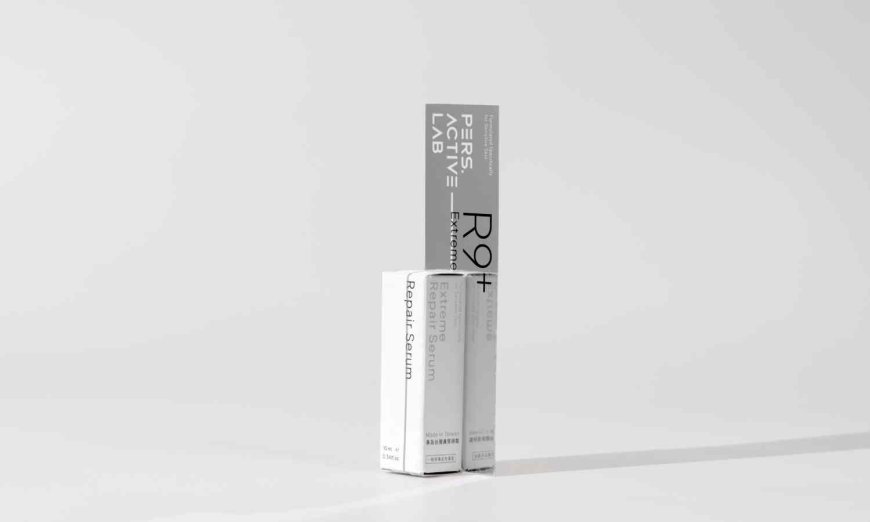
For those looking to support skin barrier recovery, Skin Pal Yeast Extreme Skin Barrier Repair Serum combines barrier-supporting ingredients designed to help replenish moisture, soothe stressed skin, and support a stronger, healthier-looking complexion.