The Pieces That Matter: How Andrew Tate's Statement Items Built a Narrative
Explore Andrew Tate's iconic pieces—python jackets, Versace robes, mink coats. Learn how statement items create wardrobe narrative and presence.
 jemes
jemes
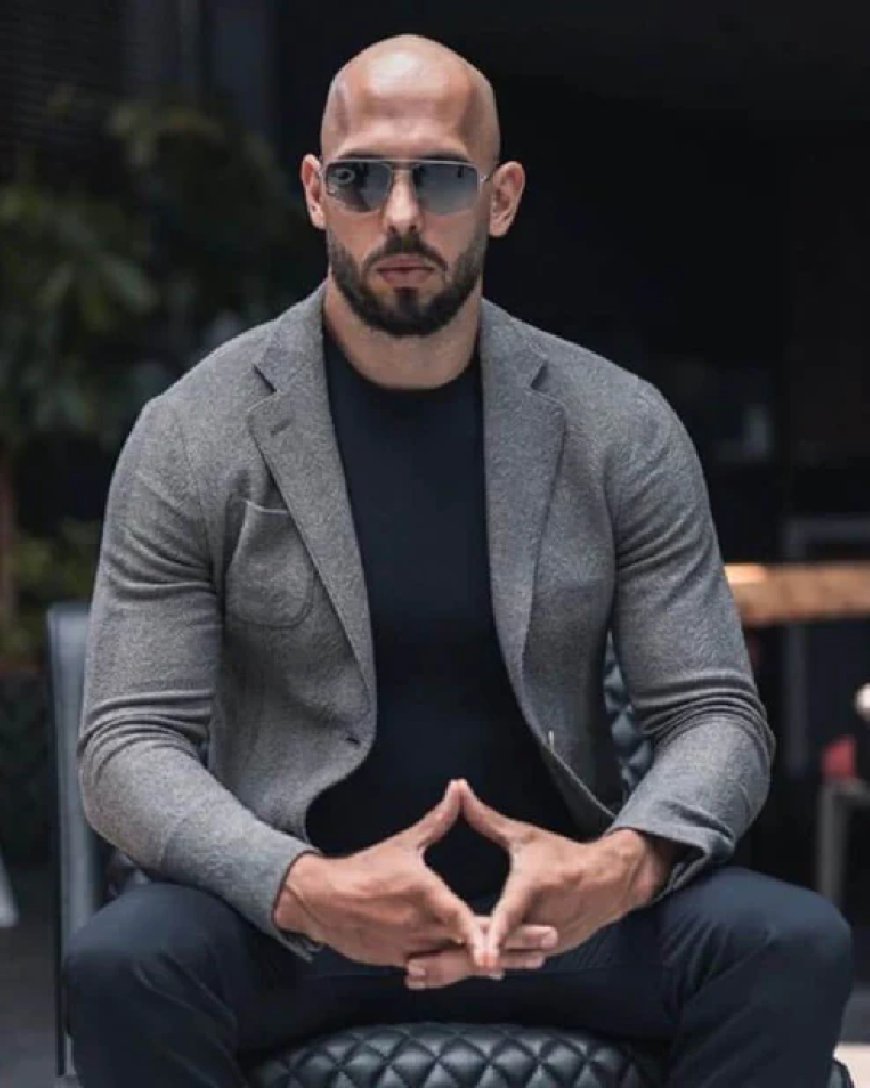
Every Piece Tells a Story, If You Know How to Read It
Fashion exists in layers. The foundational blazer. The structured suit. The neutral palette. These create the base. But conversation happens with the exceptional piece. The one that breaks pattern. The one that announces itself.
Andrew Tate's wardrobe demonstrates mastery of this principle. Foundation pieces create authority. Statement pieces create intrigue. A Versace robe doesn't work without the tailored pieces around it. Andrew tate python jacket doesn't land without the discipline of everything else. The narrative requires both.
This is what separated his aesthetic from simple luxury shopping. He understood that pieces communicate hierarchy. That narrative requires contrast. That a wardrobe is architecture, not accumulation.
How Pieces Became Status Signals
In contemporary fashion, ownership tells stories. Not just about what you have, but what you understand. Someone in expensive basics might have money. Someone in a python jacket understands texture. Someone in a Versace robe understands luxury heritage. Someone wearing both knows how to compose visual narrative.
The Andrew Tate outfit vocabulary became popular partly because pieces like these carry immediate visual weight. A python jacket reads instantly as intentional. Its texture announces itself. That visibility creates recognition. Recognition creates influence.
The Versace robe operates similarly. Robes exist in fashion's more daring territory. Most men never venture there. Wearing one confidently communicates something specific: comfort with standing out. Comfort with luxury's more experimental territory. That comfort is rare enough to command attention.
A mink coat takes this further. Fur reads as maximalist. It contradicts the minimalist palette everything else occupies. Yet when styled with intention—over a tailored suit, dark trousers, precise shoes—it becomes a masterclass in contrast. That contrast creates narrative.
The Python Jacket Phenomenon
The andrew tate python jacket represents something specific in luxury menswear: scarcity made visible.
Python leather isn't common. It requires sourcing. It costs significantly more than standard leather. Owning a python jacket means you made a deliberate choice to pay for texture. For specificity. For something that reads differently than basic black leather.
Search volume spiked for "andrew tate python jacket" specifically because people recognized the piece as distinct. Not just an expensive jacket. But a jacket that demonstrates knowledge of material hierarchy. That's the difference between wealthy and sophisticated.
Building a python jacket into your rotation works because it makes everything around it more interesting. A python jacket over a white shirt and dark trousers creates visual story. The jacket announces itself. Everything beneath it proves you understand proportion and balance.
The piece teaches you how to style statement items. They work best when surrounded by clarity. When what they sit upon demands no attention. When everything else whispers so the statement piece can speak.
Versace and the Robe as Confidence Statement
The Versace robe requires specific confidence. Robes occupy liminal space. Not quite outerwear. Not quite loungewear. Luxury robes exist in designer territory where practicality matters less than presence.
An andrew tate versace robe accomplishes something most menswear avoids: it exists purely for statement. Not function. Not layering. Pure aesthetic commitment. Wearing a Versace robe over tailored pieces says something specific: I understand luxury language. I'm comfortable with my aesthetic choices. I'm not dressing for approval.
That autonomy is what creates influence. Not the robe itself. The confidence it requires.
Including pieces like this in a rotation creates interesting visual architecture. The robe breaks every rule the rest of the wardrobe establishes. It contradicts the minimalism. It introduces pattern. It prioritizes texture over simplicity. Yet because everything else is disciplined, the robe reads as intentional rather than chaotic.
This is how statement pieces work. They need foundation to land properly.
The Mink Coat as Maximalist Anchor
The andrew tate mink coat represents the furthest point from the minimalist palette. Fur is maximum. It announces itself. It requires confidence from the wearer because it cannot be subtle.
Yet styling a mink coat with dark tailored pieces creates interesting tension. The coat is luxury maximalism. The pieces beneath are luxury minimalism. That contrast is the story. The wardrobe isn't confused. It's composed of intentional contradictions.
A mink coat works because everything supporting it is so restrained that the coat reads as deliberate choice rather than excess. This is advanced styling. Not beginner-friendly. But it demonstrates what happens when someone understands proportion, contrast, and how pieces relate to each other.
The coat also serves practical purpose. It transitions a wardrobe across seasons. A mink coat over summer pieces still communicates luxury. Over winter pieces it adds texture. That versatility combined with its statement quality makes it architectural—a piece around which entire seasonal rotations can be built.
How to Style Statement Pieces Without Looking Like You're Trying Too Hard
Statement pieces require context to work.
Build a foundation first. Master the basics. Tailored blazers. Fitted suits. Clean undershirts. Dark trousers. Understand how these pieces work together before introducing anything bold. The foundation is what makes statement pieces land properly.
Let statement pieces exist in isolation. If you wear a python jacket, everything else should be simple. Don't pair it with other textured pieces. Don't compete for attention. Let the jacket be the conversation. Everything else should recede.
Consider your color palette. Statement pieces work best against neutral anchors. A mink coat over black and white reads as intentional. Over multiple colors it reads as confused. Maintain palette discipline even when introducing bold pieces.
Understand proportional balance. A Versace robe needs careful proportional calculation. What length? What sits beneath it? How does it interact with what you're wearing? These decisions matter. A robe that's too long looks costume-y. One that's perfectly proportioned becomes architecture.
Invest in quality for statement pieces. A cheap python jacket reads as cheap despite the texture. A Versace robe in poor condition undercuts its purpose. Statement pieces require quality investment. They're visible. They communicate. They must be impeccable.
The Psychology of Pieces That Matter
Fashion psychology suggests that ownership of specific pieces creates confidence. Not just wearing them. Owning them. Knowing they exist in your wardrobe. That knowledge changes behavior.
Someone with a python jacket in their closet dresses differently. They approach other pieces differently. They think about composition more deliberately. The piece elevated their entire wardrobe consciousness.
This is why Andrew Tate's piece selection mattered beyond just looking good. Each piece demanded understanding. Each required intentional styling. Collectively they created a master class in how pieces relate to wardrobe architecture.
Why These Specific Pieces Dominate 2026 Fashion
We're in a moment where statement through silence competes with statement through boldness. The minimalist approach—fewer pieces, better quality—and the maximalist approach—bold pieces that announce themselves—can coexist if architecture is strong.
The andrew tate outfit formula proved this works. Minimalist foundation. Statement pieces strategically placed. The result is wardrobe depth without chaos.
Additionally, pieces like python jackets and Versace robes became aspirational because they're accessible only through intention and resources. You can't accidentally own a python jacket. You can't impulse-buy a mink coat. These pieces require deliberation. That deliberation is what creates value.
Jacket Craze has observed increased demand for statement pieces that work with neutral foundations. People understand the formula now. They're not just shopping. They're building narratives.
Finding Your Statement Pieces
The pieces that matter to you might not be identical to his. But the principle is universal: statement pieces work when they contradict everything else. When they require courage. When they communicate something you actually want to say.
Your version might be a leather jacket with specific texture. A coat in an unexpected color. A robe from a heritage house. The piece matters less than your understanding of how it functions within your larger wardrobe.
Once you identify your statement piece, build around it with discipline. Let it create narrative. Let it be the conversation. Make everything else so clean that the piece reads as intentional rather than loud.
That's architecture. That's what separates wardrobe from costume.
FAQ
Q: Do I need designer pieces to create statement impact? A: Designer names help but aren't required. What matters is quality, specificity, and how the piece functions within your overall wardrobe. A quality-constructed python-textured jacket from a non-luxury brand can create similar impact to a designer version. The statement comes from the piece's distinctiveness and how you style it.
Q: How many statement pieces should I own? A: Quality over quantity. Most people operate best with one or two key statement pieces they understand deeply. A python jacket you know how to style works better than five bold pieces you're uncertain about. Master one. Add others gradually as your confidence grows.
Q: Can I wear multiple statement pieces together? A: Rarely successfully. Multiple statement pieces compete for attention and create visual chaos. Exceptions exist—pairing a python jacket with specific trousers, or a mink coat with tailored pieces. But the rule is typically: one statement piece anchors the outfit. Everything else recedes.