The Pros & Cons of Different Types of Teeth Whitening Treatments
 maddysmith1
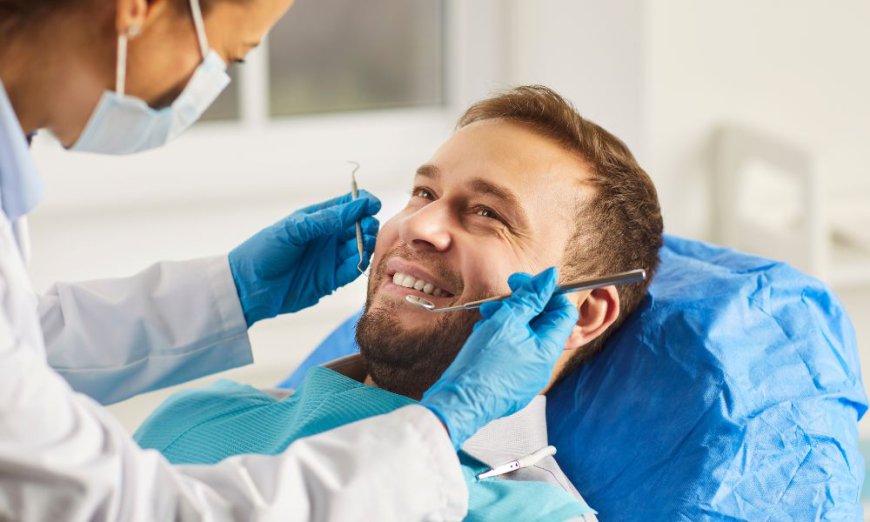
A bright smile can do wonders for your confidence. White teeth often give the impression of good health and personal care, making a strong first impression. But in reality, keeping teeth white is not always easy. Everyday habits like drinking coffee, tea, red wine, or even smoking can leave noticeable stains on your teeth. Fortunately, there are a variety of teeth whitening treatments available, each with its own set of advantages and drawbacks. Knowing the pros and cons of each option can help you choose the treatment that fits your needs, lifestyle, and budget.
1. Professional In-Office Whitening
Professional whitening treatments are done by a dentist and involve strong bleaching agents. These treatments are designed to give fast and noticeable results, often in just one visit.
Advantages:
-
Immediate results: You can see a visible difference in just one session.
-
Safe and controlled: Dentists ensure that your gums and teeth are protected during treatment.
-
Customizable: The dentist can adjust the treatment to get the exact shade you want.
Disadvantages:
-
Higher cost: In-office treatments are more expensive than other options. The teeth whitening cost usually ranges from $300 to $800 depending on the clinic.
-
Temporary sensitivity: Some patients experience mild tooth sensitivity or gum irritation after treatment.
-
Maintenance needed: The effects don’t last forever. Foods and drinks that stain teeth can reduce the results over time.
This type of whitening is ideal for those who want fast, dramatic results and don’t mind paying a higher price.
2. At-Home Whitening Kits
At-home whitening kits have become very popular because they are easy to use and more affordable. These kits can include strips, gels, or trays that contain a lower concentration of bleaching agents than professional treatments.
Advantages:
-
Convenience: You can whiten your teeth at your own pace at home.
-
Cost-effective: Kits are much cheaper than professional treatments, often ranging from $20 to $100.
-
Gradual improvement: You can control how white you want your teeth to become.
Disadvantages:
-
Inconsistent results: The effectiveness depends on the product quality and how well you follow instructions.
-
Possible misuse: Using too much or leaving the product on too long can irritate your gums.
-
Slower results: It may take several weeks to see noticeable changes.
These kits work best for mild staining or for people who prefer a gradual whitening approach.
3. Whitening Toothpaste
Whitening toothpaste is an everyday solution that helps remove surface stains while maintaining oral hygiene. These toothpastes usually contain mild abrasives or chemicals that polish your teeth.
Advantages:
-
Easy to find: Available at any supermarket or pharmacy.
-
Low cost: Much cheaper than other whitening options.
-
Safe for daily use: Helps maintain general oral health while gradually removing stains.
Disadvantages:
-
Limited effectiveness: Toothpaste can only remove surface stains, not deep discoloration.
-
Slow results: It may take months to notice any difference.
-
Not for severe stains: For deep or intrinsic discoloration, stronger treatments are needed.
Whitening toothpaste is best for keeping your teeth bright after other whitening treatments or for mild improvements.
4. Whitening Strips
Whitening strips are thin, flexible strips coated with a peroxide-based gel that you apply directly to your teeth. Usually, they are worn for around 30 minutes a day over a couple of weeks.
Advantages:
-
Simple to use: No extra tools are needed.
-
Affordable: Most strips cost between $20 and $50.
-
Effective: Can noticeably whiten teeth with consistent use.
Disadvantages:
-
Tooth sensitivity: Some users experience mild discomfort.
-
Limited coverage: Strips may not fit all teeth perfectly, leading to uneven whitening.
-
Requires consistency: Missing applications can affect results.
Whitening strips are a great option for people looking for noticeable results at home without spending too much on professional treatments.
5. Tray-Based Whitening Systems
Tray-based whitening systems use a mouth tray filled with whitening gel. You can get custom trays from a dentist or purchase semi-custom trays over the counter.
Advantages:
-
Even whitening: Trays ensure all teeth are covered, reducing uneven results.
-
Stronger gels available: Dentist-provided gels are more concentrated for better results.
-
Long-lasting effects: If used correctly, the whitening can last longer than strips or toothpaste.
Disadvantages:
-
Time commitment: Daily use is required for several weeks.
-
Messy application: Gel can leak, causing irritation if not applied carefully.
-
Higher cost for custom trays: Dentist-provided trays are more expensive than store-bought versions.
Tray-based systems offer a middle ground between professional treatments and simpler at-home options, providing effective results without repeated office visits.
6. Natural Whitening Methods
Some people turn to natural remedies like baking soda, activated charcoal, or oil pulling. These are usually cheaper and chemical-free, but their effectiveness is limited.
Advantages:
-
Low cost: Natural ingredients are inexpensive and widely available.
-
No chemicals: Some prefer avoiding chemical whitening agents for health reasons.
Disadvantages:
-
Minimal evidence: Results are often subtle and not scientifically proven.
-
Can damage enamel: Abrasive substances may wear down tooth enamel if used too often.
Slow results: Whitening may take a long time and may not achieve noticeable improvement.
Natural remedies can be used alongside other whitening methods for maintenance, but they are unlikely to replace professional treatments for significant whitening needs.
Conclusion
Choosing the right teeth whitening treatment depends on your goals, budget, and lifestyle. In-office professional whitening delivers the fastest and most dramatic results but comes at a higher cost. At-home kits, strips, and tray systems offer convenience and affordability, but they require consistent use. Whitening toothpaste and natural methods are gentle, low-cost options that help maintain your smile over time.
Before starting any whitening treatment, it’s wise to consult a dentist. They can check your oral health, recommend the best method for your teeth, and ensure that the process is safe. With the right approach, anyone can achieve a brighter, healthier smile, no matter which treatment they choose.