The Secret Life of Pets During the Night
Discover the secret life of pets during the night and learn how dogs, cats, and other animals behave after dark. Explore their instincts, sleeping habits, and fascinating nighttime routines.
 aileenabela
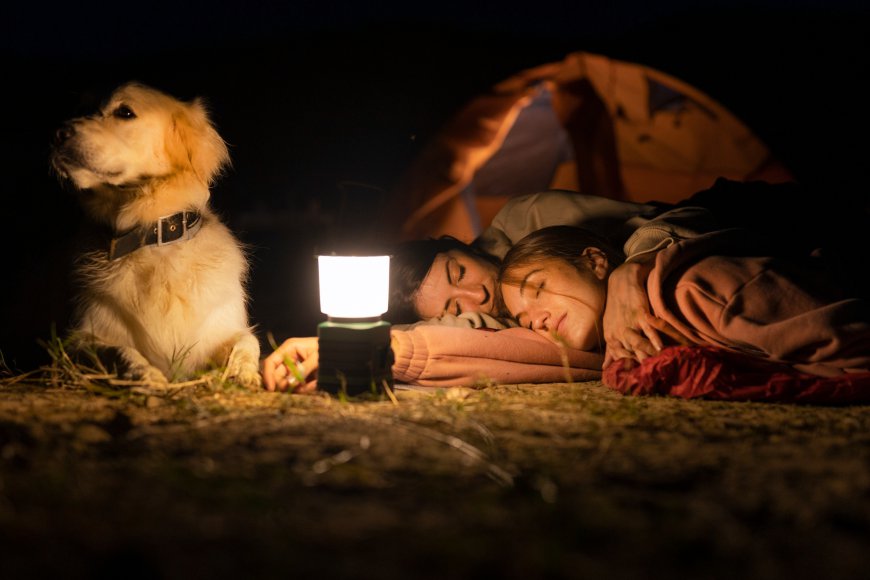
When humans turn off the lights and settle into bed, many pets begin a different part of their day. The quiet hours of the night reveal behaviors that are rarely noticed during busy daytime routines. Cats patrol the house, dogs listen carefully to unfamiliar sounds, birds adjust their sleeping positions, and small animals continue their activities in their own unique ways. Although pets often appear to spend most of their time eating, playing, and resting, nighttime brings out another side of their personalities.
The secret life of pets during the night is shaped by instinct, habits, and their relationship with their human companions. Even animals that seem completely relaxed during the day may become more alert once their surroundings become calm. Their senses become more important, and their natural behaviors often become stronger.
Understanding what pets do at night can help owners provide better care. It also creates a deeper appreciation for the complex emotional and physical worlds that exist inside our homes. Our pets are not simply sleeping companions. They are active creatures with their own routines, preferences, and nighttime adventures.
The Midnight Activities of Dogs and Cats
Dogs are known for their loyalty and strong connection with people, but their nighttime behavior can reveal interesting details about their instincts. Many dogs sleep deeply for several hours, yet they remain aware of their surroundings. A sudden noise outside, a moving shadow, or a change in the environment can quickly wake them. This ability comes from their history as animals that once needed to stay alert for protection and survival.
Some dogs move around the house during the night, checking rooms or looking through windows. Others change sleeping spots several times because they are searching for the most comfortable place. Their dreams may also become visible through small movements, soft sounds, or twitching paws. Scientists believe these moments are connected to memory and daily experiences.
If you have ever asked Can dogs eat watermelon, the answer is yes, as long as it is served correctly. Watermelon can be a healthy and refreshing treat because it contains plenty of water and beneficial vitamins. Before offering it to your dog, remove all seeds and the rind, then cut the fruit into small bite-sized pieces to reduce the risk of choking or digestive problems. Like any treat, watermelon should only be given in moderation as part of a balanced diet.
Cats experience nighttime differently from dogs. Their ancestors were active hunters, and many domestic cats still maintain those instincts. A cat that sleeps peacefully during the afternoon may suddenly run across the house at midnight. This behavior, sometimes called a burst of energy, happens because cats are naturally designed to be active during twilight and nighttime periods.
A cat’s nighttime routine may include exploring, playing with toys, watching insects, or silently observing the environment. Their sharp hearing allows them to notice sounds that humans cannot detect. A cat sitting quietly in the darkness may actually be paying close attention to everything happening around it.
Small Pets and Their Nighttime Secrets
While dogs and cats receive most of the attention, many smaller pets have fascinating nighttime habits. Hamsters, for example, are naturally nocturnal animals. They often spend the night running on wheels, collecting food, and exploring their cages. A hamster that appears sleepy during the day may become highly energetic once the room becomes dark.
Rabbits can also have interesting nighttime patterns. They may rest during certain hours but become active when the environment is quiet. They enjoy exploring, chewing, and moving around their living spaces. Providing safe areas for movement helps them express their natural behaviors.
Birds usually follow a more predictable sleep schedule, but their nighttime world is still important. Many birds prefer complete darkness and a peaceful environment for proper rest. Small disturbances, such as household noises or sudden lights, can interrupt their sleep and affect their health. Some birds may quietly adjust their feathers or change their sleeping position while resting.
Reptiles have their own unique nighttime routines as well. Depending on the species, some become more active after sunset. They may explore their habitat, search for food, or move between warmer and cooler areas. Their behaviors remind us that every pet has different needs based on its natural environment.
Why Pets Behave Differently at Night
The nighttime transformation of pets happens for several reasons. One major factor is reduced human activity. During the day, pets experience voices, movement, household chores, and outside activity. At night, these distractions disappear, allowing animals to focus on their instincts.
Many pets also adjust their schedules based on their owners. Some animals become more active at night because they spend the day waiting for attention or resting while humans are busy. Once the home becomes peaceful, they may feel more comfortable exploring.
A pet’s senses also play an important role. Dogs have an excellent sense of smell and hearing, cats have impressive night vision, and many small animals are highly sensitive to movement. Darkness does not limit them in the same way it limits humans. Instead, nighttime can become a time when their natural abilities shine.
How Owners Can Support Healthy Nighttime Habits
Creating a comfortable nighttime environment helps pets feel safe and relaxed. A consistent routine is one of the most effective ways to support animal well being. Feeding schedules, exercise, and playtime during the day can influence how peacefully pets sleep at night.
Dogs often benefit from evening walks or gentle play sessions that help them release energy before bedtime. Cats may enjoy interactive toys that encourage hunting behaviors before they settle down. Small animals need suitable habitats where they can move safely without stress.
Pet owners should also pay attention to changes in nighttime behavior. A sudden increase in restlessness, unusual sounds, or difficulty sleeping may indicate discomfort or health concerns. Understanding normal habits makes it easier to notice when something seems different.
The Fascinating Connection Between Humans and Pets
The secret nighttime lives of pets show how much more there is to discover about our animal companions. Even after years of living together, pets can surprise their owners with new behaviors and habits. Their actions during the quiet hours reveal their instincts, emotions, and personalities.
Watching a pet sleep, explore, or react to nighttime sounds offers a glimpse into a world that humans rarely experience. These moments strengthen the connection between people and animals because they remind us that pets have their own experiences beyond simple routines.
Every night, while homes become quiet, countless pets continue their small adventures. They guard, explore, dream, and follow instincts developed over generations. Their nighttime activities may remain mostly hidden, but they are an important part of what makes pets such fascinating members of our families.