
The U.S. Peptide Company Transparency Index for COAs and Lot Traceability
Explore how peptide company transparency depends on clear COAs, accurate lot matching, independent lab reports, and traceable batch records.
 knightcore
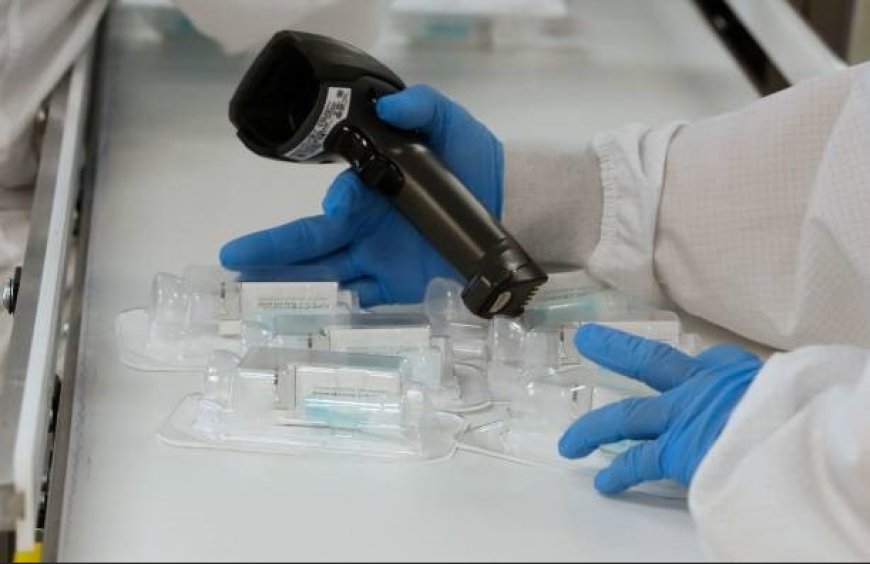
In the U.S. research peptide market, a polished product page can look convincing, but the real proof is usually found in the paperwork. A COA may show purity, but does it match the exact lot? A product may claim third-party testing, but is the lab identified and the report complete? These details can reveal how transparent a supplier really is.
This article explains how a peptide company transparency index can help lab buyers evaluate COAs, lot traceability, testing records, and batch documentation before trusting product claims.
Key Takeaways
-
COAs should match the exact product lot.
-
Purity and identity need separate test results.
-
Laboratory reports should be complete and verifiable.
-
Lot numbers should remain consistent across all records.
-
Clear sourcing and storage details improve supplier credibility.
How the Peptide Company Transparency Index Evaluates COAs
Using Complementary Analytical Methods
Reliable peptide testing should use more than one analytical method because purity and identity are separate measurements. HPLC evaluates chromatographic purity, while mass spectrometry or LC-MS supports molecular identity.
This combination is especially important when reviewing research peptides, since a high HPLC percentage does not, by itself, prove that the sample contains the intended compound. Complementary methods create a stronger analytical record.
Confirming Independent Laboratory Testing
Independent testing can strengthen peptide company transparency when the laboratory is separate from the supplier and clearly identified. The report should include the laboratory name, sample description, report number, testing date, and methods used.
Claims such as “third-party tested” provide limited value when reports are cropped, unreadable, or unverifiable. Researchers should confirm that every document matches the correct product and lot.
Checking COA Dates and Batch Relevance
Recent documentation reduces the risk that outdated reports are reused for active inventory. A COA should be recent enough to reflect the available batch, but lot matching remains more important than the report date alone.
When reviewing a semaglutide peptide, researchers should confirm that the product name, lot number, sample details, and current inventory all correspond.
Reviewing the Supporting Laboratory Data
A complete COA should explain how the final result was produced. Useful information may include chromatograms, labeled peaks, retention times, peak-area calculations, mass spectra, testing conditions, and sample identifiers.
These details strengthen peptide company transparency by allowing researchers to examine the evidence behind purity and identity claims. Electronic approval, laboratory authorization, or a verifiable report number can further support document authenticity.
How the Transparency Index Measures Lot Traceability
Lot traceability connects analytical results to the physical vial received by the researcher. Even a detailed COA offers limited value when it cannot be matched to the exact batch supplied. A strong system follows each lot through production, testing, storage, packaging, and fulfillment.
Consistent identifiers across product labels, reports, invoices, and inventory records support stronger peptide company transparency and easier quality investigations.
Matching Products with Their Exact Lots
Every vial, label, or QR code should display a unique lot number that matches the COA, packaging, invoice, and product page. Generic reports reused across batches weaken traceability. For example, a KPV 10mg listing should link to documentation that shows the same product, amount, and active lot. Accurate matching creates a direct link between laboratory findings and the material received.
Maintaining an Audit-Ready Batch History
Transparent suppliers should maintain organized records covering synthesis or receipt, inspection, sampling, analytical testing, release, cold storage, packaging, and fulfillment. Complaint and return records may also support investigations.
A reliable retatrutide supplier should be able to identify where a batch originated, how it was handled, and which orders received it. Audit-ready records improve accountability and reduce dependence on disconnected manual files.
Disclosing Manufacturing Sources and Facilities
Suppliers should explain whether peptide synthesis is performed in-house or by a manufacturing partner. They should also describe the quality systems used for production, testing, storage, and release.
Claims such as “GMP-aligned” require careful wording because they do not necessarily confirm certified pharmaceutical manufacturing. Clear facility and sourcing information strengthens peptide company transparency by showing who produced and approved each finished batch.
Conclusion
Reliable research purchasing depends on documentation that can be checked, understood, and connected to the material received. Peptide company transparency gives laboratories a practical way to compare suppliers based on evidence rather than appearance or marketing language. Clear COAs, consistent lot numbers, independent testing records, and traceable batch histories support better decisions and stronger internal quality practices.
Suppliers that communicate openly make it easier for researchers to identify gaps, verify claims, and maintain organized procurement records. That level of openness creates a more dependable foundation for long-term laboratory planning and responsible supplier relationships.
FAQs
What should researchers check first on a peptide COA?
Start with the product name, lot number, testing date, analytical methods, and laboratory identity. These details should match the product label and current inventory.
Why is a matching lot number important?
A matching lot number connects the physical vial to the correct testing and manufacturing records. Without it, the COA may belong to a different batch.
Does third-party testing guarantee quality?
No. Third-party testing adds value only when the laboratory is identified, the methods are appropriate, and the report can be linked to the exact lot.
How recent should a COA be?
The report should apply to the active inventory batch. Recent dates are useful, but batch matching is more important than age alone.
Can a QR code improve lot traceability?
Yes, when it links directly to a current, batch-specific COA or verified product record. A generic marketing page does not provide meaningful traceability.
What is the difference between purity and identity testing?
Purity testing measures the proportion of the main peptide-related component, while identity testing confirms whether the compound matches the intended peptide.






