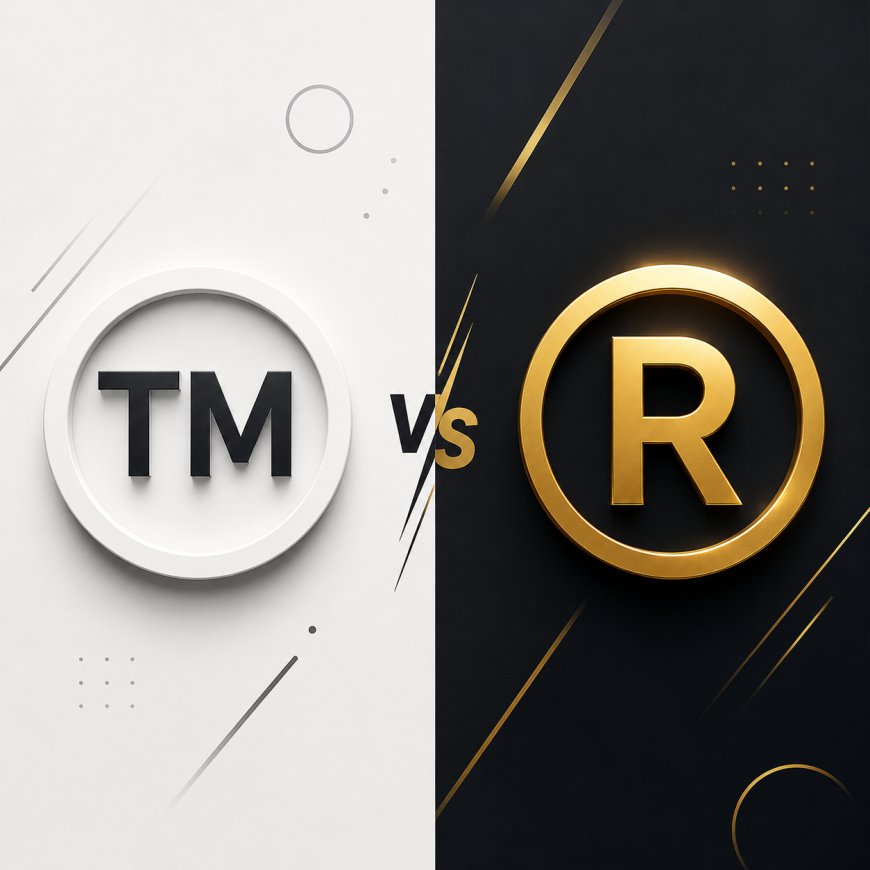
TM™ vs ® Explained: What Every Business Owner Must Know
CorpBuddy is a trusted business legal service platform based in Raipur, Chhattisgarh, supporting startups, entrepreneurs, and established companies across India. With a strong digital-first approach, CorpBuddy simplifies complex legal and compliance processes with transparency and precision, backed by a 99.7% filing accuracy rate.
 corpbuddypvtltd
Introduction
Your brand is one of your business's most valuable assets. Whether you're launching a startup, running an online store, or expanding an established company, protecting your business identity should be a top priority. Yet, many business owners use the ™ and ® symbols interchangeably without understanding their legal significance.
Although both symbols relate to trademarks, they serve different purposes and provide different levels of protection. Using the correct trademark symbol not only strengthens your brand image but also helps you avoid legal complications. This guide explains the difference between TM™ and ®, their legal importance under Indian law, when to use each symbol, common mistakes to avoid, and why trademark registration is essential for every business.
What Does TM (™) Mean?
The TM (Trademark) symbol indicates that a business claims ownership of a brand name, logo, slogan, tagline, product name, or any other brand identifier. One of the biggest advantages of the TM symbol is that it does not require official trademark registration.
Businesses often use the TM symbol while their trademark application is pending or even before filing an application. It serves as a public notice that the business considers the mark its proprietary identity.
Benefits of Using TM™
- Shows public ownership of your brand
- Helps establish brand identity
- Discourages competitors from copying your brand
- Builds customer recognition
- Can be used without registration
Example
Suppose a startup launches a fashion label named Urban Style. Even before receiving trademark registration, the company can legally display the brand as:
Urban Style™
This informs customers and competitors that the business claims ownership of the brand.
What Does ® Mean?
The ® (Registered Trademark) symbol signifies that a trademark has been officially registered with the Trademark Registry under the Trade Marks Act, 1999.
Unlike TM, the ® symbol can only be used after the registration certificate has been issued. Using it before registration is unlawful and may attract penalties.
Benefits of Using ®
- Grants exclusive legal ownership
- Provides statutory protection under trademark law
- Enables legal action against infringement
- Enhances brand credibility
- Increases business value
- Builds greater customer trust
Example
Once Urban Style receives official trademark registration, the business can display its brand as:
Urban Style®
This confirms that the trademark enjoys legal protection under Indian law.
TM™ vs ®: Major Differences
| Basis | TM™ | ® |
|---|---|---|
| Meaning | Claimed Trademark | Registered Trademark |
| Registration Required | No | Yes |
| Legal Status | Claim of ownership | Official legal protection |
| Protection | Limited common law rights | Strong statutory rights |
| Usage | Before or during registration | Only after registration |
| Enforcement | Limited | Full legal remedies available |
| Credibility | Good | Highest level of brand credibility |
Why Trademark Symbols Matter
Many entrepreneurs underestimate the importance of trademark protection until someone copies their brand. Trademark symbols play a crucial role in safeguarding business identity.
1. Builds Brand Recognition
A trademark distinguishes your products and services from competitors, making your brand memorable in the marketplace.
2. Creates Customer Trust
Consumers are more likely to trust brands that appear professional and legally protected. Registered trademarks often convey reliability and authenticity.
3. Prevents Brand Misuse
Trademark protection discourages competitors from copying your business name, logo, packaging, or slogan.
4. Increases Business Value
A registered trademark becomes an intellectual property asset that can increase your company's valuation, attract investors, and support expansion.
5. Supports Business Growth
Trademark protection becomes increasingly valuable when expanding into new cities, states, countries, or online marketplaces.
Legal Protection Under the Trade Marks Act, 1999
India's Trade Marks Act, 1999 provides comprehensive legal protection to registered trademark owners.
TM Symbol Protection
The TM symbol primarily establishes a public claim of ownership. Although it does not provide statutory rights, it can help businesses rely on prior usage and common law rights in certain disputes.
Registered Trademark Protection
A registered trademark owner enjoys exclusive legal rights, including:
- Exclusive use of the trademark
- Right to prevent unauthorized use
- Ability to file trademark infringement suits
- Right to claim damages and compensation
- Protection across India
- Stronger legal standing in court
These statutory rights make trademark registration one of the most important legal investments for any business.
Common Mistakes Businesses Make
Many startups unknowingly misuse trademark symbols. Some of the most common mistakes include:
Using ® Without Registration
Displaying the ® symbol before obtaining official registration is illegal and may result in legal consequences.
Delaying Trademark Registration
Many businesses rely solely on the TM symbol for years without applying for registration, leaving their brands vulnerable.
Assuming Business Registration Protects the Brand
Registering a company under the Companies Act does not automatically grant trademark protection.
Ignoring Trademark Searches
Launching a brand without conducting a trademark search increases the risk of infringement disputes.
Failing to Protect Logos and Slogans
Businesses often register only their business name while neglecting valuable logos, taglines, or product names.
Landmark Trademark Cases in India
Cadila Health Care Ltd. v. Cadila Pharmaceuticals Ltd. (2001)
The dispute involved the medicine names Falcigo and Falcitab, which were considered confusingly similar. The Supreme Court emphasized that even slight similarities in pharmaceutical trademarks could endanger public health. The judgment highlighted the importance of selecting unique trademarks.
Yahoo! Inc. v. Akash Arora (1999)
A website using a name deceptively similar to Yahoo attempted to mislead internet users. The Delhi High Court protected Yahoo's trademark rights and restrained the misuse. This landmark case confirmed that trademark protection extends to domain names and online businesses.
N.R. Dongre v. Whirlpool Corporation (1996)
Whirlpool had not established significant commercial operations in India at the time of the dispute. Nevertheless, the court recognized the company's international reputation and protected its trademark. The decision introduced the principle of trans-border reputation in Indian trademark law.
Benefits of Registering Your Trademark
Trademark registration offers long-term advantages that extend beyond legal protection.
Exclusive Rights
Only the registered owner has the legal authority to use the trademark for registered goods and services.
Brand Protection
Registration prevents competitors from using confusingly similar names or logos.
Easier Legal Enforcement
Registered owners can file infringement suits and seek injunctions, damages, and compensation.
Business Expansion
Trademark registration simplifies licensing, franchising, and expansion into new markets.
Valuable Intellectual Property
A trademark becomes an intangible asset that can be sold, licensed, or transferred.
Did You Know?
- The TM™ symbol can be used even before filing a trademark application.
- The ® symbol is permitted only after successful registration.
- Incorrect use of the ® symbol without registration may attract legal penalties.
- A registered trademark significantly increases a brand's commercial value and legal protection.
Conclusion
Understanding the difference between TM™ and ® is essential for every business owner. While the TM symbol indicates a claim of ownership and helps establish brand identity, the ® symbol provides strong statutory protection under the Trade Marks Act, 1999.
Registering your trademark protects your brand from infringement, enhances customer confidence, strengthens your market position, and creates long-term business value. Whether you're a startup, an established company, or an e-commerce seller, securing trademark registration is a smart investment that safeguards one of your most valuable business assets.
If you're planning to register your trademark, professional assistance can simplify the process—from conducting a trademark search and filing the application to securing registration and protecting your brand for years to come.
Frequently Asked Questions (FAQs)
1. Can I use the TM (™) symbol without registering my trademark?
Yes. The TM symbol may be used before, during, or even without trademark registration to indicate ownership of a brand.
2. Can I use the ® symbol immediately after filing a trademark application?
No. The ® symbol can only be used after the Trademark Registry officially grants registration.
3. What is the biggest difference between TM™ and ®?
TM indicates a claimed trademark, while ® signifies a legally registered trademark with full statutory protection.
4. What happens if someone copies my registered trademark?
The registered owner can initiate legal proceedings for trademark infringement, seek injunctions, claim damages, and prevent unauthorized use.
5. Why is trademark registration important for startups?
Trademark registration protects brand identity, builds consumer trust, prevents brand misuse, and supports long-term business growth and expansion.