Transparent Display Market: Analysis of Size, Trends, and Strategic Growth
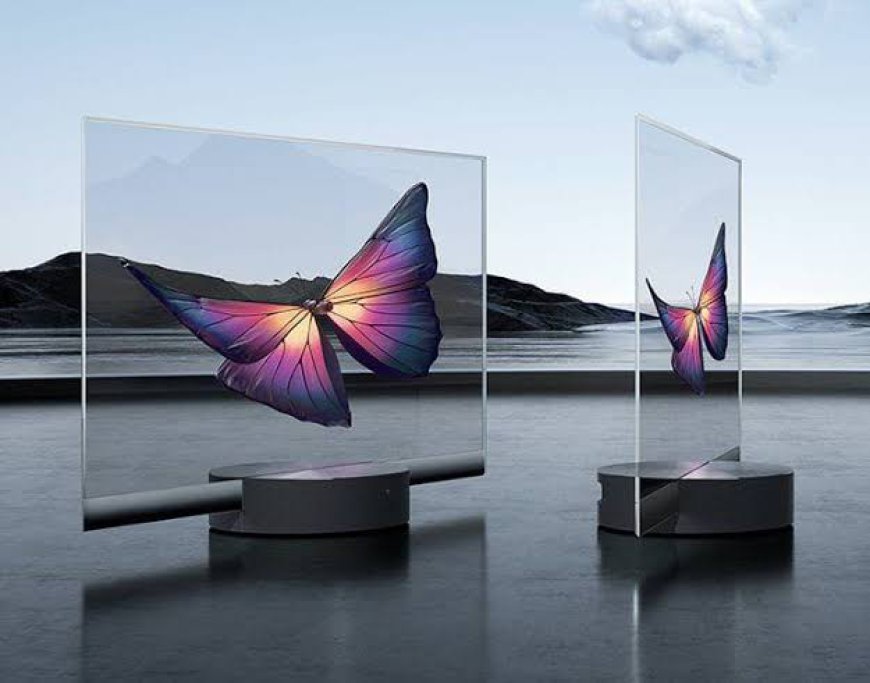
The transparent display industry is experiencing a rapid transformation driven by increasing adoption across automotive, retail, and consumer electronics sectors. With enhanced innovation in flexible and holographic display technologies, the market's scope is expanding, reflecting shifting market dynamics. This report delivers a detailed market size and overview, current events, geopolitical impacts, SWOT analysis, and strategic insights involving leading market players through 2025 and 2026.
 coherent12
Market Size and Overview
Coherent Market Insights estimates that the global transparent display market is expected to reach USD 6 Bn in 2026 and will expand to USD 52 Bn by 2033, registering a CAGR of 36% between 2026 and 2033.
This aggressive Transparent Display Market Growth is propelled by rising demand in automotive heads-up displays (HUDs), retail advertising, and smart appliance integration. Increasing market revenue is also being facilitated by technological advancements such as OLED-based transparent displays and micro-LED-based transparent panels, which are reshaping industry size and bringing new market opportunities.
Current Event & Its Impact on Market
I. Technological Advancements Accelerating Transparent Display Adoption
A. Adoption of OLED Transparent Displays in Automotive HUDs - Potential impact on Market: Major car manufacturers showcased advanced HUD models at the 2025 Frankfurt Motor Show, fueling consumer interest and accelerating replacement cycles in automotive market segments. This drives market growth and increases industry share.
B. Launch of Augmented Reality (AR) Smart Glasses with Transparent Displays - Potential impact on Market: Companies like Sony Corporation launched transparent display-based AR wearable devices in early 2025, expanding transparent display technology application into new consumer electronics segments and broadening market scope.
C. Micro-LED Transparent Display Innovations - Potential impact on Market: The integration of micro-LED technology by BOE Technology Group in retail signage brings enhanced brightness and longevity, providing competitive advantages and spurring market revenue.
II. Geopolitical and Supply Chain Shifts Impacting Manufacturing
A. US-China Trade Relations Impacting Component Supply - Potential impact on Market: Tariffs and export restrictions on key display components disrupt supply chains, raising production costs and causing project delays in transparent display manufacturing facilities.
B. Regional Semiconductor Shortages in East Asia - Potential impact on Market: Taiwan’s semiconductor output reductions in H2 2024 created supply constraints for transparent display producers, hindering market growth strategies and creating market restraints.
C. European Union’s Green Energy Policies - Potential impact on Market: Stricter environmental regulations force market companies to innovate energy-efficient transparent displays, driving sustainable product development but increasing upfront R&D expenditures.
Impact of Geopolitical Situation on Supply Chain
The ongoing US-China trade tensions significantly affected the transparent display market supply chain in 2024. For example, export restrictions on rare-earth elements and semiconductors vital for OLED and micro-LED panel manufacturing led to logistical delays and higher raw material costs for key market players. Samsung Electronics, one of the largest manufacturers, reported extended lead times for component procurement resulting in production slowdowns and adjustments in global product launch timelines. This geopolitical strain underscores the need for diversified supply chains to mitigate risks and maintain steady industry revenue streams.
SWOT Analysis
Strengths:
- Rapid technological innovation with OLED and micro-LED transparent displays driving superior product performance.
- Expanding applications in automotive HUDs and retail advertising amplifying market opportunities.
- Strong industry trends favoring smart glass integration in consumer electronics enhancing market scope.
Weaknesses:
- High production costs linked to advanced display materials limit market penetration in price-sensitive segments.
- Supply chain vulnerabilities due to geopolitical tensions create unstable manufacturing schedules.
- Limited widespread consumer awareness restricting immediate business growth potential.
Opportunities:
- Emerging markets exhibiting increasing adoption rates for transparent displays in public transportation and smart building sectors.
- Strategic collaborations between display manufacturers and technology firms fostering new market growth avenues.
- Government incentives for green technology development bolstering innovation in energy-efficient transparent displays.
Threats:
- Escalating trade conflicts causing supply disruptions and potential price volatility in raw materials.
- Rapid technology obsolescence calling for continuous R&D investments, increasing financial strain.
- Competitive pressures from alternative display technologies such as augmented reality and flexible OLED variants.
Key Players
Prominent companies driving the transparent display market include Samsung Electronics, Pro Display, Crystal Display System, LG Electronics, Panasonic, and BenQ, alongside ClearLED, Kent Optronics, NEC Display Solutions, Universal Display Corporation, Japan Display Inc., Sony Corporation, Tianma Microelectronics, BOE Technology Group, and Sharp Corporation.
In 2025, Samsung Electronics advanced its market share through strategic investments in OLED transparent displays for automotive HUDs, resulting in a 15% increase in revenue from their smart mobility division. Meanwhile, BOE Technology Group’s collaboration with major retail chains enhanced the deployment of micro-LED transparent signage, achieving higher durability and lower energy consumption. Sony Corporation introduced a breakthrough wearable AR device based on transparent display technology, creating new market segments in consumer electronics.
FAQs
1. Who are the dominant players in the Transparent Display Market?
Leading market players include Samsung Electronics, LG Electronics, BOE Technology Group, Sony Corporation, and Panasonic, who are investing heavily in innovation and expanding the application of transparent displays across automotive, retail, and consumer electronics verticals.
2. What will be the size of the Transparent Display Market in the coming years?
The market size is projected to grow from USD 6 billion in 2026 to USD 52 billion by 2033, reflecting a CAGR of 36%, driven by advancements in OLED and micro-LED technologies and increasing adoption in industrial and consumer sectors.
3. Which end-users industry has the largest growth opportunity?
The automotive sector, particularly through the integration of heads-up displays and advanced driver-assistance systems (ADAS), presents the largest growth opportunity due to the need for transparent, interactive displays enhancing safety and user experience.
4. How will market development trends evolve over the next five years?
Market trends will be shaped by the adoption of energy-efficient transparent display technologies, expansion into AR-enabled devices, and the growing use of these displays in commercial advertising and smart infrastructure.
5. What is the nature of the competitive landscape and challenges in the Transparent Display Market?
The market is highly competitive, with key players investing in R&D and partnerships to maintain leadership. Challenges include supply chain complexities due to geopolitical tensions and high manufacturing costs limiting broader adoption.
6. What go-to-market strategies are commonly adopted in the Transparent Display Market?
Market companies focus on strategic technology collaborations, targeted investments in emerging application areas, and sustainability-oriented product development to capitalize on market revenue growth and industry share expansion.
➣ Get more insights on : Transparent Display Market
➣ Get this Report in Japanese Language: 透明ディスプレイ市場
➣ Get this Report in Korean Language: 투명디스플레이시장
➣ Read More Related Articles: How Wireless Charging is Revolutionizing Consumer Electronics
About Author:
Money Singh is a seasoned content writer with over four years of experience in the market research sector. Her expertise spans various industries, including food and beverages, biotechnology, chemical and materials, defense and aerospace, consumer goods, etc