Treatment Plans for Thyroid Goiter: What You Should Know
Treatment plans for thyroid goiter focus on reducing swelling, easing symptoms, and restoring healthy thyroid function safely.
 maddysmith1
Introduction to Thyroid Goiter
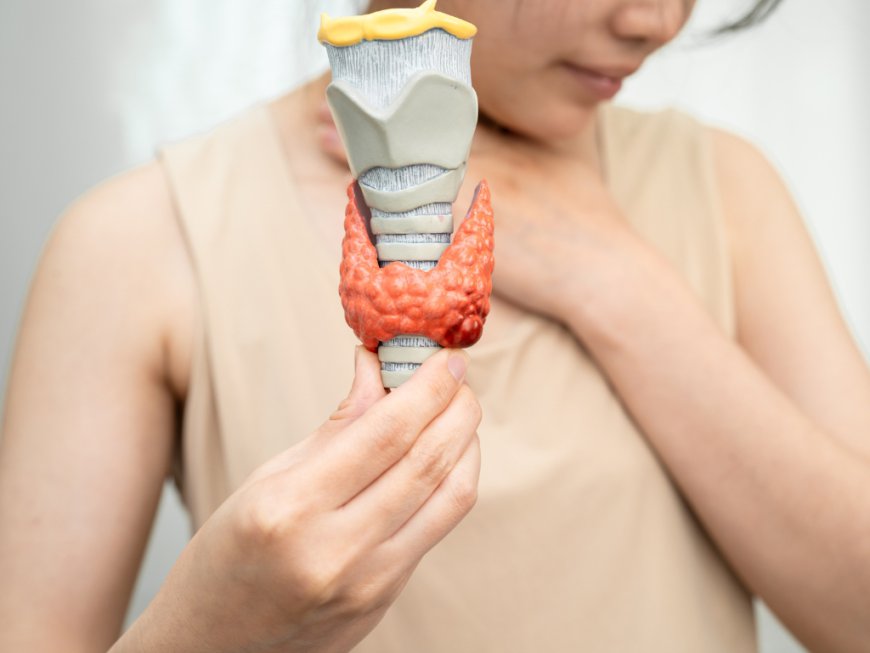
A thyroid goiter refers to an abnormal enlargement of the thyroid gland, a butterfly-shaped gland located at the base of the neck. The thyroid plays a crucial role in regulating metabolism, energy production, heart rate, and body temperature through the release of thyroid hormones. When the gland becomes enlarged, it can create visible swelling in the neck and may interfere with normal thyroid function. Understanding the available options for thyroid goiter treatment is essential for managing symptoms, preventing complications, and restoring hormonal balance.
Goiters can develop for various reasons, including iodine deficiency, autoimmune disorders, hormonal imbalances, thyroid nodules, or inflammation. While some goiters are painless and cause minimal disruption, others may lead to difficulty swallowing, breathing problems, or noticeable cosmetic concerns. Proper diagnosis and personalized thyroid goiter treatment planning are key to achieving the best outcomes.
Causes and Risk Factors
Several underlying conditions contribute to goiter formation. One common cause worldwide is iodine deficiency, which limits the thyroid’s ability to produce hormones. In iodine-sufficient regions, autoimmune disorders such as Graves’ disease and Hashimoto’s thyroiditis are more frequent contributors.
Other causes include thyroid nodules, pregnancy-related hormonal changes, thyroid cancer, and certain medications. Family history, female gender, age over 40, and previous radiation exposure to the neck area may increase the likelihood of developing a goiter. Identifying the exact cause helps determine the most appropriate thyroid goiter treatment strategy.
Symptoms and Diagnosis
The most visible symptom of a goiter is swelling at the base of the neck. However, symptoms vary depending on whether thyroid hormone levels are normal, elevated (hyperthyroidism), or reduced (hypothyroidism).
Common symptoms may include:
-
A feeling of tightness in the throat
-
Hoarseness or voice changes
-
Difficulty swallowing
-
Shortness of breath
-
Coughing without infection
If hormone levels are affected, patients may experience fatigue, weight changes, palpitations, anxiety, or cold intolerance. A healthcare provider typically evaluates goiter through a physical examination, blood tests to measure thyroid hormone levels, ultrasound imaging, and sometimes a biopsy. These diagnostic tools guide the development of a personalized thyroid goiter treatment plan.
Watchful Waiting and Monitoring
Not all goiters require immediate medical intervention. If the enlargement is small, not causing symptoms, and thyroid hormone levels are normal, doctors may recommend regular monitoring. This approach, often called watchful waiting, involves periodic physical exams, blood tests, and imaging studies.
During this time, the healthcare provider tracks changes in size or function. If the goiter grows or symptoms develop, a more active thyroid goiter treatment may be necessary. Monitoring is often appropriate for mild cases where the risks of intervention outweigh the benefits.
Medication-Based Treatment
Medication is one of the most common forms of thyroid goiter treatment, especially when hormone imbalances are present.
For hypothyroidism-related goiters, synthetic thyroid hormone replacement may be prescribed. This therapy helps normalize hormone levels and can gradually reduce the size of the thyroid gland. In cases of hyperthyroidism, antithyroid medications may be used to control excessive hormone production.
In some situations, iodine supplements may be recommended if deficiency is the underlying cause. However, iodine therapy must be carefully supervised, as excessive iodine intake can worsen certain thyroid conditions. Proper medication management ensures effective thyroid goiter treatment while minimizing potential side effects.
Radioactive Iodine Therapy
Radioactive iodine therapy is another option for thyroid goiter treatment, particularly in cases involving hyperthyroidism or toxic multinodular goiter. This therapy works by delivering a controlled amount of radioactive iodine that selectively destroys overactive thyroid cells.
The procedure is non-surgical and typically performed on an outpatient basis. Over time, the thyroid gland shrinks as the overactive tissue is reduced. While effective, this approach may lead to hypothyroidism, requiring lifelong hormone replacement therapy.
Patients considering radioactive iodine as part of their thyroid goiter treatment plan should discuss potential risks, benefits, and long-term implications with their healthcare provider.
Surgical Treatment Options
Surgery may be recommended when the goiter is large, causing compressive symptoms, or suspected to be cancerous. A thyroidectomy involves removing part or all of the thyroid gland. Surgical thyroid goiter treatment is often chosen when other therapies are ineffective or unsuitable.
There are different surgical approaches depending on the size and cause of the goiter:
-
Partial thyroidectomy removes a portion of the gland.
-
Total thyroidectomy removes the entire gland.
Surgery can provide immediate relief from pressure symptoms such as difficulty breathing or swallowing. However, patients who undergo complete removal will require lifelong thyroid hormone replacement. As with any surgery, there are risks, including infection, bleeding, or injury to nearby nerves, but these complications are relatively rare when performed by experienced surgeons.
Minimally Invasive Procedures
Advancements in medical technology have introduced minimally invasive techniques for selected cases. These procedures may include radiofrequency ablation or ethanol injection therapy, particularly for benign thyroid nodules contributing to goiter enlargement.
Such options offer an alternative thyroid goiter treatment without the need for traditional surgery. They typically involve smaller incisions, shorter recovery times, and reduced risk of complications. These approaches are most appropriate for carefully evaluated patients with specific types of nodular goiter.
Lifestyle and Nutritional Considerations
Lifestyle adjustments can support overall thyroid health and complement medical thyroid goiter treatment. Ensuring adequate iodine intake through a balanced diet is important, especially in regions where deficiency is common. Foods such as iodized salt, dairy products, seafood, and eggs can help maintain healthy thyroid function.
Managing stress, maintaining a healthy weight, and following regular medical checkups also contribute to better outcomes. However, lifestyle changes alone are rarely sufficient for significant goiter reduction and should be considered supportive rather than primary thyroid goiter treatment.
Special Considerations for Pregnancy
Pregnancy introduces unique considerations in managing thyroid conditions. Hormonal changes during pregnancy can influence thyroid size and function. Untreated thyroid disorders may affect both mother and baby.
Safe thyroid goiter treatment during pregnancy typically involves carefully monitored medication therapy. Radioactive iodine therapy is not recommended for pregnant patients. Close collaboration between endocrinologists and obstetricians ensures optimal maternal and fetal health.
When to Seek Medical Attention
While some goiters are harmless, certain warning signs require prompt evaluation. Rapid enlargement, pain, difficulty breathing, or sudden voice changes should be assessed immediately. These symptoms may indicate complications or underlying malignancy.
Early diagnosis allows for timely thyroid goiter treatment and reduces the risk of serious complications. Regular checkups are especially important for individuals with a family history of thyroid disease or previous thyroid abnormalities.
Long-Term Outlook and Follow-Up
The long-term outlook for individuals with goiter depends on the underlying cause and chosen thyroid goiter treatment. Many patients experience significant symptom relief and improved quality of life with appropriate care. Even after successful therapy, regular follow-up is essential to monitor hormone levels and detect any recurrence or new thyroid changes.
Some patients may require lifelong medication, while others may achieve stable thyroid function without ongoing intervention. Personalized follow-up plans ensure continued health and early detection of any future issues.
Conclusion
Treatment plans for thyroid goiter vary widely based on the size of the enlargement, underlying cause, symptom severity, and patient health status. From watchful waiting and medication to radioactive iodine therapy and surgical intervention, multiple thyroid goiter treatment options are available to address different clinical scenarios.
Early evaluation, accurate diagnosis, and individualized care are crucial in achieving the best outcomes. By understanding the available approaches and working closely with healthcare providers, patients can confidently navigate their thyroid goiter treatment journey and maintain long-term thyroid health.