U4GM Explains Why POE2's New Atlas Feels Better Than Ever Before
 Sjolund
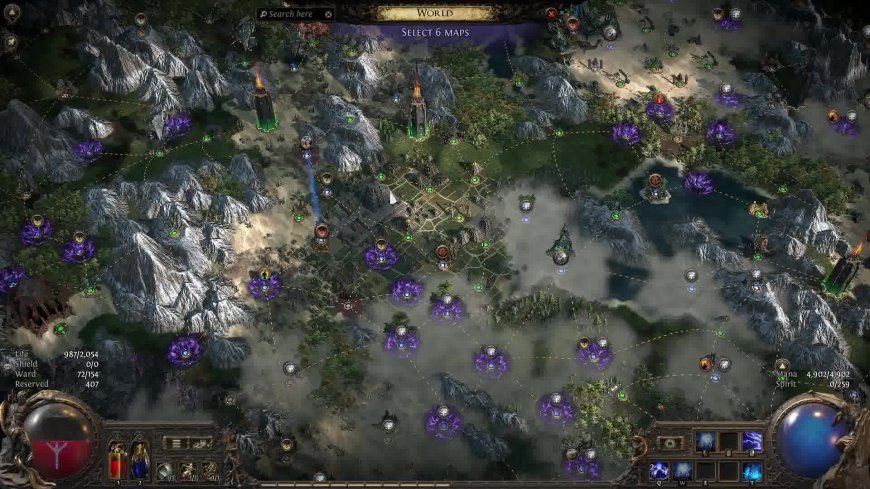
One month after the release of Patch 0.5, it is clear that Path of Exile 2 has taken a major step forward. After hundreds of hours of gameplay, many dedicated players agree that this is the strongest update the game has received so far. The revamped endgame offers more variety, more rewarding gameplay loops, and far more reasons to keep grinding than previous versions. Whether you're experimenting with different farming strategies or collecting POE2 Currency for powerful upgrades, Patch 0.5 delivers an experience that feels fresh, exciting, and closer than ever to the complete vision of Path of Exile 2.
The biggest success of Patch 0.5 is undoubtedly the endgame overhaul. Compared to earlier versions, the Atlas now feels much more meaningful, giving players numerous viable ways to progress. Instead of being locked into one or two optimal farming methods, players can choose from a wide range of mechanics that all provide respectable rewards. This diversity makes every play session feel different, encouraging experimentation instead of repetitive grinding.
Another major improvement is the redesigned Atlas passive tree. While it is not perfect, it has become significantly more impactful than previous iterations. Every passive choice noticeably affects gameplay, allowing players to specialize their farming strategies. Investing into mechanics such as Breach, Abyss, Ritual, or Delirium now feels worthwhile because the bonuses are immediately noticeable.
However, one feature that still feels missing is an Atlas respec option. Making a mistake on the passive tree can permanently weaken certain farming strategies until future patches arrive. Since different mechanics continue to evolve through balance updates, players should have a reasonable way to adjust their Atlas without starting over. A flexible respec system would encourage experimentation instead of punishing curiosity.
Build diversity is another area where Patch 0.5 shines. Earlier versions often revolved around only a handful of overpowered builds dominating the meta. In contrast, Patch 0.5 offers a much healthier selection of competitive options. Looking at community statistics, there are numerous successful builds capable of clearing endgame content efficiently. While overall skill balance could still improve, the current meta is far more varied and enjoyable than before.
Ironically, player power may now be slightly too high. Many builds can eliminate endgame bosses with surprisingly little investment, reducing the sense of progression and challenge. Characters become incredibly powerful long before reaching perfect gear, making many encounters feel trivial. Instead of weakening players dramatically, the better solution would be introducing much harder optional content that pushes optimized builds to their limits.
Despite all these positives, several endgame mechanics still need major improvements before Version 1.0 launches.
The tablet system stands out as the weakest part of the current endgame. Pricing tablets is unnecessarily complicated because every modifier combination and roll range dramatically changes their value. Most players simply ignore the process entirely, reducing supply on the trade market and making valuable tablets difficult to obtain. Unlike Scarabs from the original Path of Exile, tablets require excessive price checking and multiple trades, creating frustration instead of meaningful gameplay.
Trading tablets also feels tedious. Players frequently visit multiple hideouts just to purchase individual items, resulting in constant loading screens and interruptions. Ideally, endgame "juice" should come from gameplay itself rather than spending excessive time navigating trade websites. A complete redesign—or even a simplified system inspired by Scarabs—would significantly improve the overall player experience.
Cities present another controversial mechanic. Although they are rewarding, their exclusive bonuses unintentionally recreate the unpopular "tower hunting" gameplay loop. Since cities provide additional tablet effectiveness and more tablet slots, high-investment farming strategies become inefficient anywhere else. This forces players to rush maps solely to locate cities instead of enjoying the Atlas naturally.
Cities also interact poorly with mechanics such as Grand Mirrors and Head of the King placements. Planning efficient layouts becomes frustrating because city locations rarely align with optimal Atlas positioning. Likewise, Grand Mirrors often fail to cover entire city clusters, forcing players to repeat unnecessary preparation before running their maps. These interactions make the system feel insufficiently tested despite its otherwise promising concept.
Biome mechanics remain another questionable addition. While biome bonuses can be extremely powerful, they mainly add another layer of planning rather than meaningful gameplay. Players already manage map modifiers, Atlas passives, tablets, and numerous league mechanics. Requiring specific biomes simply increases preparation time without making maps themselves more enjoyable.
Grand Mirrors also deserve attention. Since Delirium remains one of the most rewarding endgame mechanics, players frequently spend considerable time searching for Grand Mirrors before they can begin their actual farming sessions. Converting Grand Mirrors into tradable items similar to Head of the King would remove unnecessary randomness while creating additional economic opportunities for specialized farmers.
Difficulty scaling is another area that deserves improvement. Although accessibility is important, many veteran players feel the game has become progressively easier with every update. Endgame bosses continue to receive reductions in health and damage, while powerful builds can eliminate them almost instantly. Optional Uber bosses or other extremely difficult encounters would provide experienced players with meaningful long-term goals without affecting casual progression.
Balance remains an ongoing concern as well. Some builds vastly outperform others, while many skills still struggle to compete. Continued balance updates should narrow this gap so that even more character archetypes become viable. Likewise, the mid-league Delirium nerfs reduced one of the few genuinely challenging mapping experiences available. Restoring optional high-difficulty content would satisfy players seeking a greater test of skill.
Finally, several quality-of-life decisions seem unnecessarily restrictive. Changes to map rolling now require significantly more Omens than previous patches, increasing preparation time without adding strategic depth. These kinds of changes make the endgame feel more tedious rather than more engaging and would benefit from reconsideration before the full release.
Overall, Patch 0.5 represents a tremendous achievement for Path of Exile 2. The endgame is more engaging, build diversity is stronger than ever, and the Atlas has become significantly more rewarding. While tablets, cities, biome management, and difficulty balance still require refinement, the game is rapidly approaching its full potential. If Grinding Gear Games continues listening to community feedback and polishing these remaining systems before Version 1.0, Path of Exile 2 could become one of the greatest action RPGs on the market. For players preparing for future leagues, upgrading gear and wisely choosing when to cheap Path of Exile 2 Items can help maximize the exciting opportunities that this outstanding new endgame has to offer.