Warning Alarms: Your Air Conditioner Is About to Fail
 Delancy
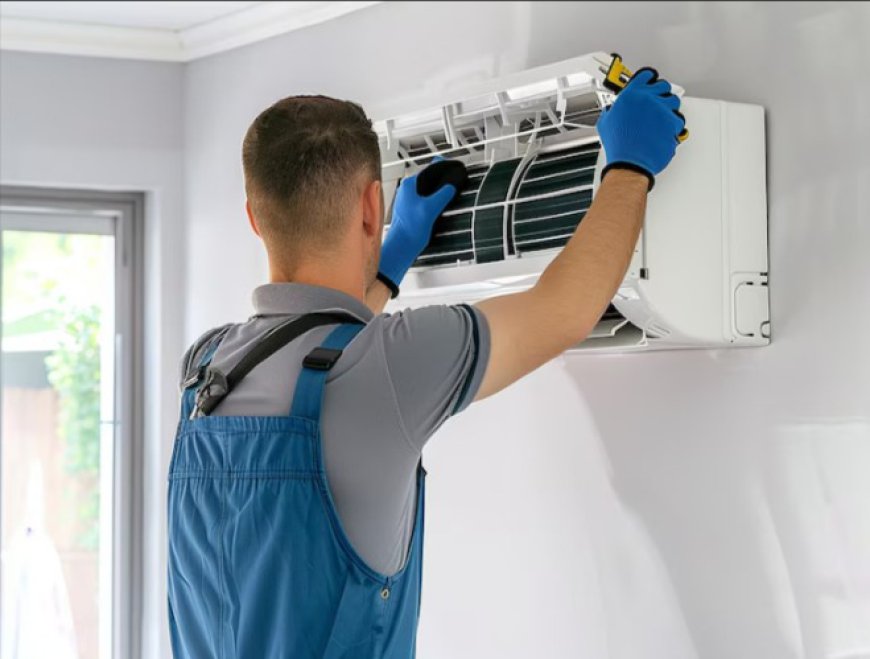
Cooling systems maintain indoor spaces cool during the summer heat. Most folks flip these machines on without really looking at how they run. A shift in sound or airflow might slip past unnoticed, yet those small changes often mean something’s off inside. Ignore those hints, and the machine could quit when needed most—leaving rooms sticky and repair bills steep. Long before total breakdowns happen, odd smells, weak cooling, or strange noises tend to show up quietly. Besides spotting these signals fast, getting things fixed on time can save real trouble down the road. Perhaps yours acts up the same way.
Weak Airflow
Cool air moves through your home without gaps when the AC runs well. Uneven cooling might mean something inside the system has gone wrong. Dirty filters often block how much air gets out. When dust builds up, passages narrow, and the machine pushes harder to keep going. Frozen coils sometimes stop movement, just like broken fans or blocked pathways deep in walls. When airflow stays low, the AC unit works harder over time. Faster wear happens when stress builds up on components, and trouble waits ahead if corrections are skipped. Eventually, the cooling setup might stop working altogether.
Warm Air Instead of Cool Air
Warm air coming from an AC that should be cold means something is wrong. Right after turning on the cooling, the working unit drops indoor temperatures fast. Without enough refrigerant, chill power fades—plus stress builds inside components. Leaks hurt performance while risking deeper mechanical harm over time. A system struggling to lower the room heat needs expert eyes sooner rather than later. Problems ignored often grow heavier down the line.
Unit Making Strange Sounds
Most AC units work quietly, just a soft hum filling the air. When odd sounds show up—like clunking, screeching, grating, or shaking—the machine might be falling apart inside. Grinding? That often points straight to trouble within the motor. Rattling hints at parts wobbling free where they should stay fixed. Squeaks can come from belts gone brittle or motors burning too hot. Skip checking those signs, and sudden breakdowns could hit, maybe even total failure.
Frequent Cycling or Constant Running
Cooling a room happens when an AC runs smoothly, cycling on and off at steady intervals. But, when the system kicks on briefly, then stops - or keeps humming past target temps - there's probably trouble within. A broken sensor could misread warmth levels, dirty fins might trap heat instead of shedding it, while wiring faults interrupt normal operation, one by one, dragging efficiency lower. Overworked units draw extra electricity, forcing components to labor harder, aging more quickly from constant strain.
Rising Energy Bills
Out of nowhere, higher bills could mean your air conditioner is getting tired. Over time, cooling systems weaken, needing more minutes to hit the same chill. Air struggles through grimy filters, dragging down performance. Parts that fail pile on extra strain. When refrigerated dips are involved, the whole job gets harder. Each problem forces the machine to grab more power than needed. If usage stays flat but charges climb, something behind the wall is likely fighting to stay alive. A rise in expenses like this might hint that getting a pro checkup sooner rather than later is worth it. When fixes happen fast, tiny glitches tend to stay minor instead of growing worse down the road.
Unusual Odors Coming from the Unit
A working air conditioner ought to stay odorless during operation. Smelling something damp? That might mean mold is spreading in hidden spots where water collects. Components getting too hot can release a stench like scorched plastic—wires or motors likely involved. When the whiff turns artificial and biting, refrigerant could be escaping somewhere. Air quality dips when leaks go unchecked, along with cooling ability. Strange smells left unattended might invite bigger troubles down the line. Catching odd scents sooner keeps air moving cleanly through your space. Safety stays intact when you respond without delay. Small attention today avoids heavy expenses later on.
The End
Something seems off right away when an AC starts failing. A weaker flow of air might show up first, then maybe warm spots in what should be cool airflow, strange sounds from inside the unit, frequent cycling that doesn’t make sense, or an electric meter climbing for no clear cause - each one points toward something underneath going wrong. Catching signs like these cuts down on trouble later and reduces pressure on the whole setup. Getting regular visits done, sorting tiny issues before they grow, and reaching out to reliable HVAC services in Fort Worth keep things steady once hot days arrive.